Ecuador Culture, Cuisine, & Natural Features of the Mainland
Recently, I returned from Ecuador and have spent much of my time since sifting through the hundreds of photos I took. I went with two of my good friends with a group of ten photographers in total, and I was one of only two people who used their phones as the main camera. If there’s one thing I learned about photography while I was there, it’s to take tons of pictures and select the best ones later. Take pictures of everything of interest, everything that might be of interest, and from different areas of focus and from different viewpoints. I ended up with hundreds of pics, most which I love. And some of the others in our group ended up with thousands!
It was the perfect trip because our hosts took us to some of the most scenic places in Ecuador and mixed in a lot of different activities, including a tour of a flower plantation, a stop at a local fair, a rainforest canoe ride and a rainforest river float, a visit to a Quechua village, a tour of the Ingapirca ruins, two cathedral tours, and last but not least, lots of amazing food.
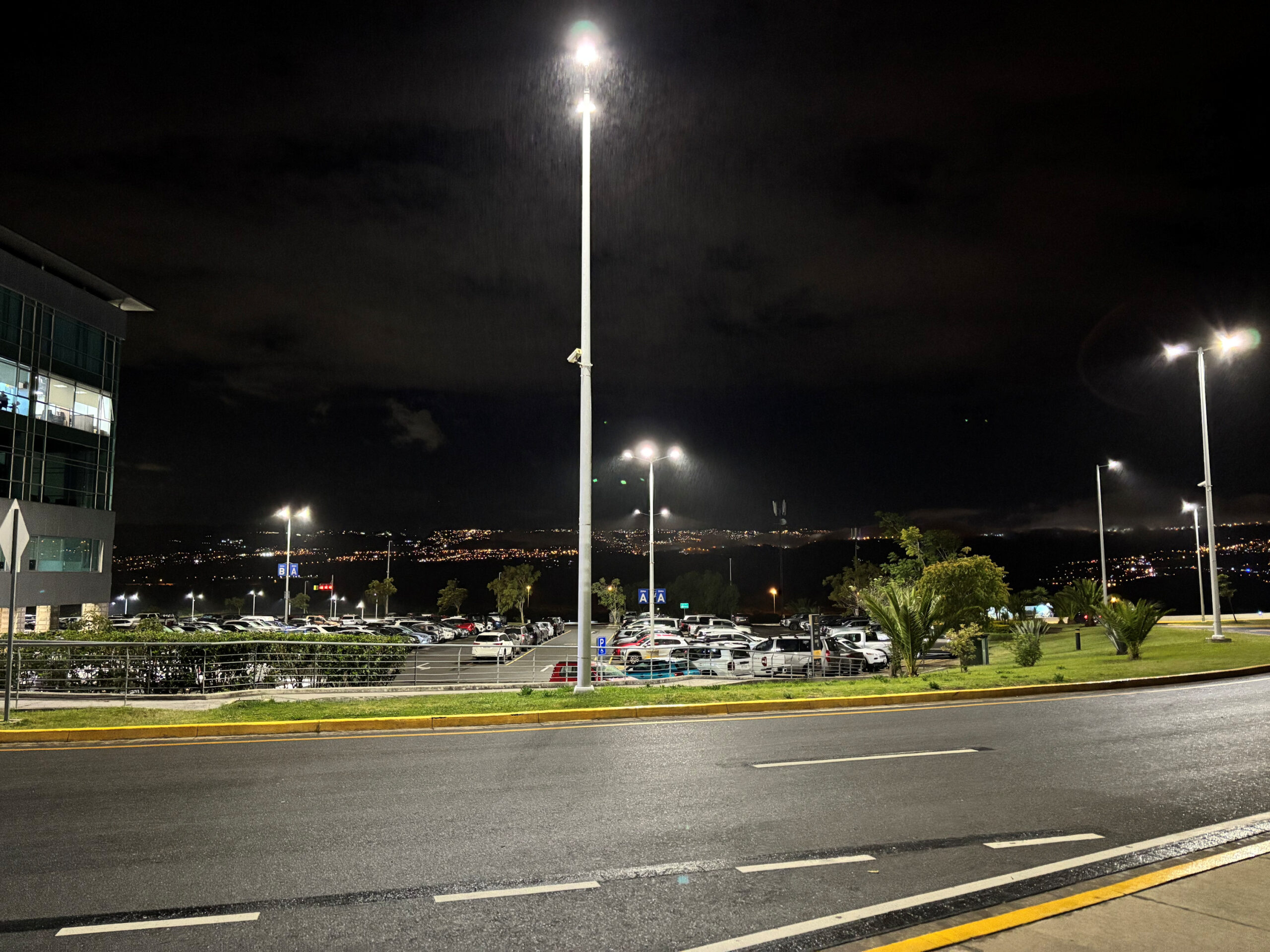
Early on the morning of April 21st we took a flight from Tulsa to Atlanta, had a long layover there, and then flew from there to Ecuador’s capital, Quito, where we arrived at approximately ten o’clock at night. While this picture isn’t spectacular, it is momentous for me because I took it when I stepped onto South American soil for the first time in my life, just after exiting the airport.
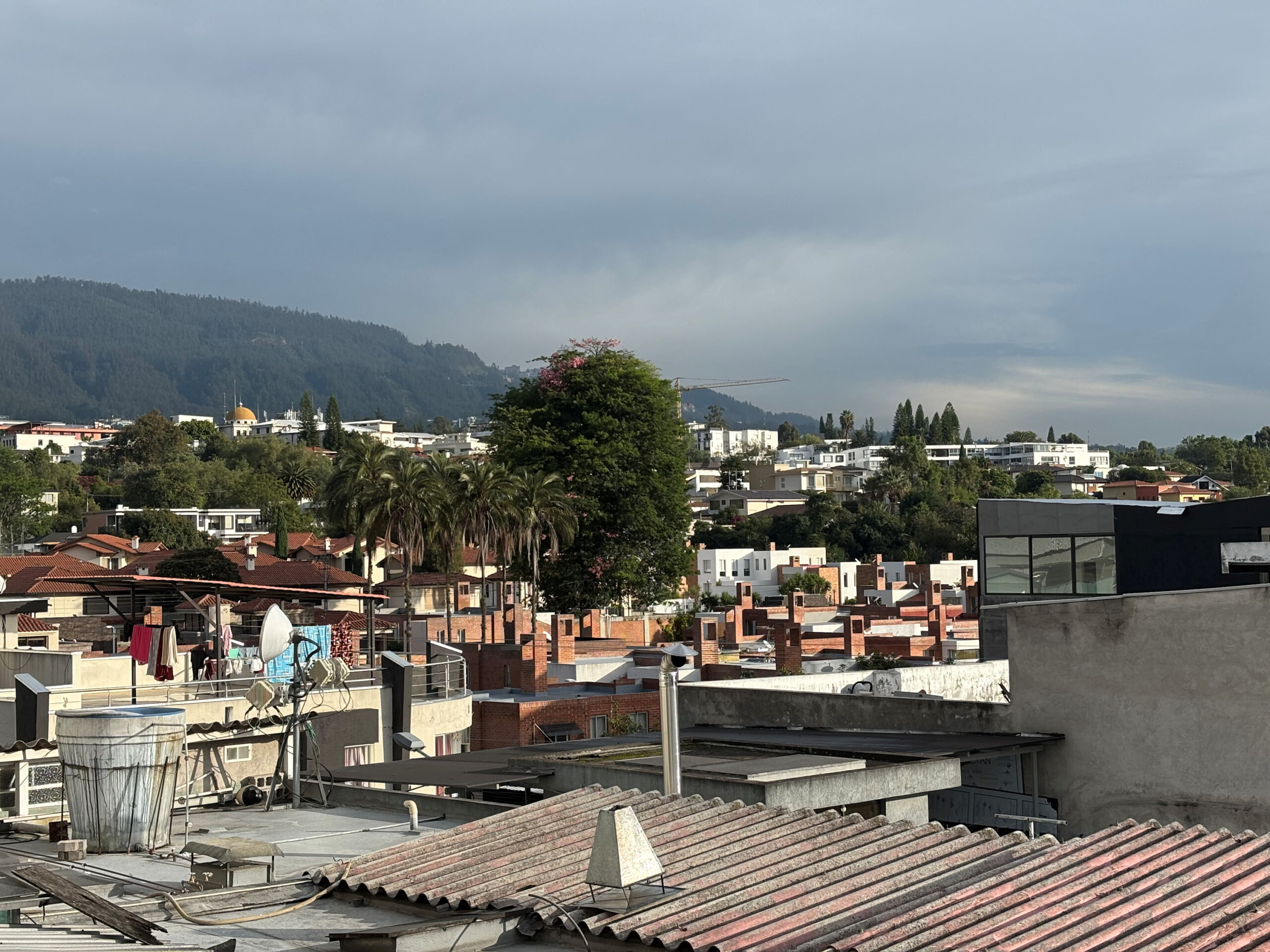
I stayed in a little room in the Hotel Cumbayá (pronounced just like the song) in Quito, and woke up to the most amazing views of the city and the mountains from my window. At breakfast, I had lots of fresh fruit, and just like in Mexico City, the fruit was the best I’ve ever had, so fresh, sweet, and flavorful, it was actually a bit astonishing. The pineapple was especially good, and the taste reminded me of the scent of pineapple scratch ‘n sniff stickers when I was young. I had no idea pineapples actually tasted like that.
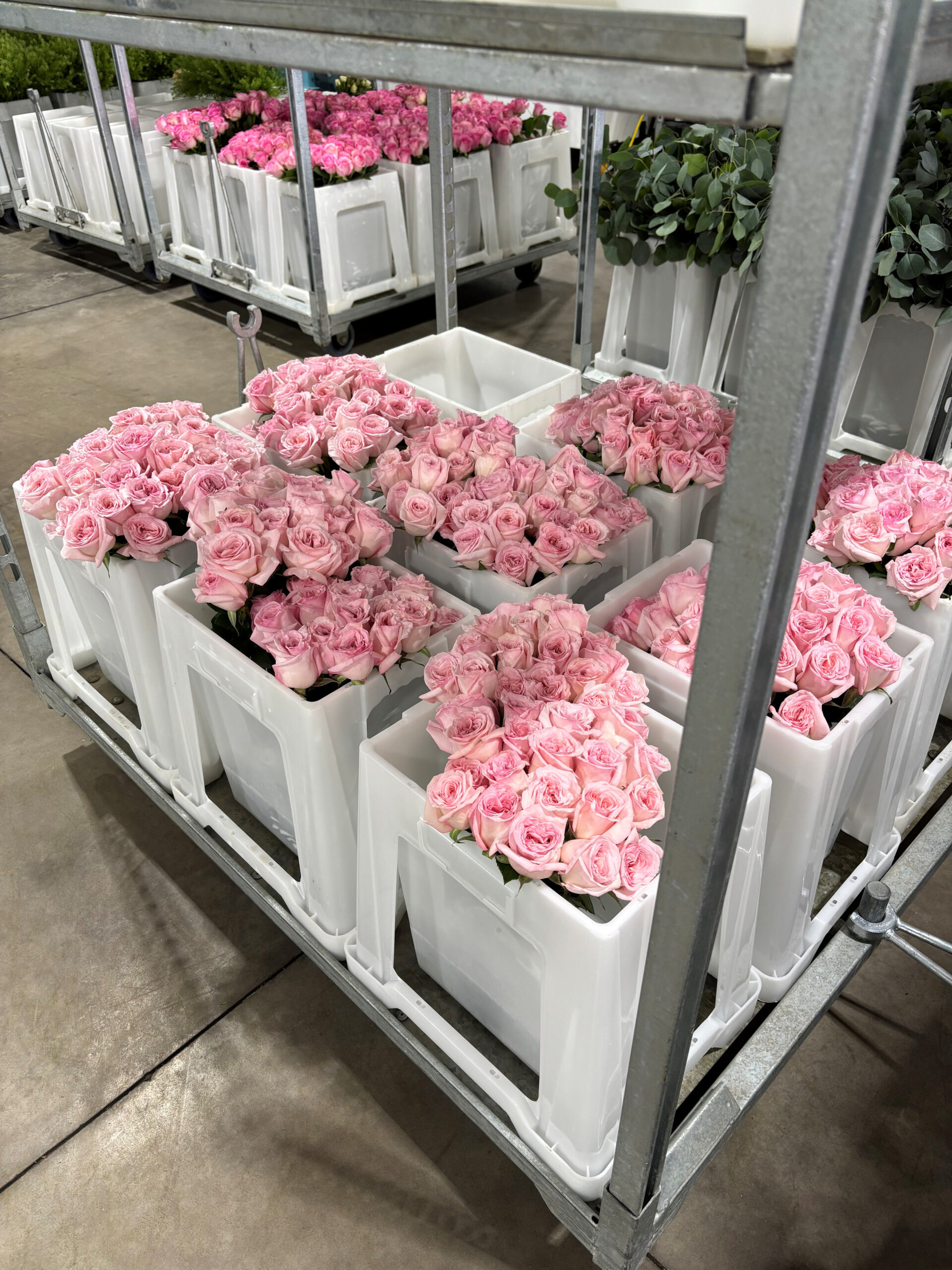
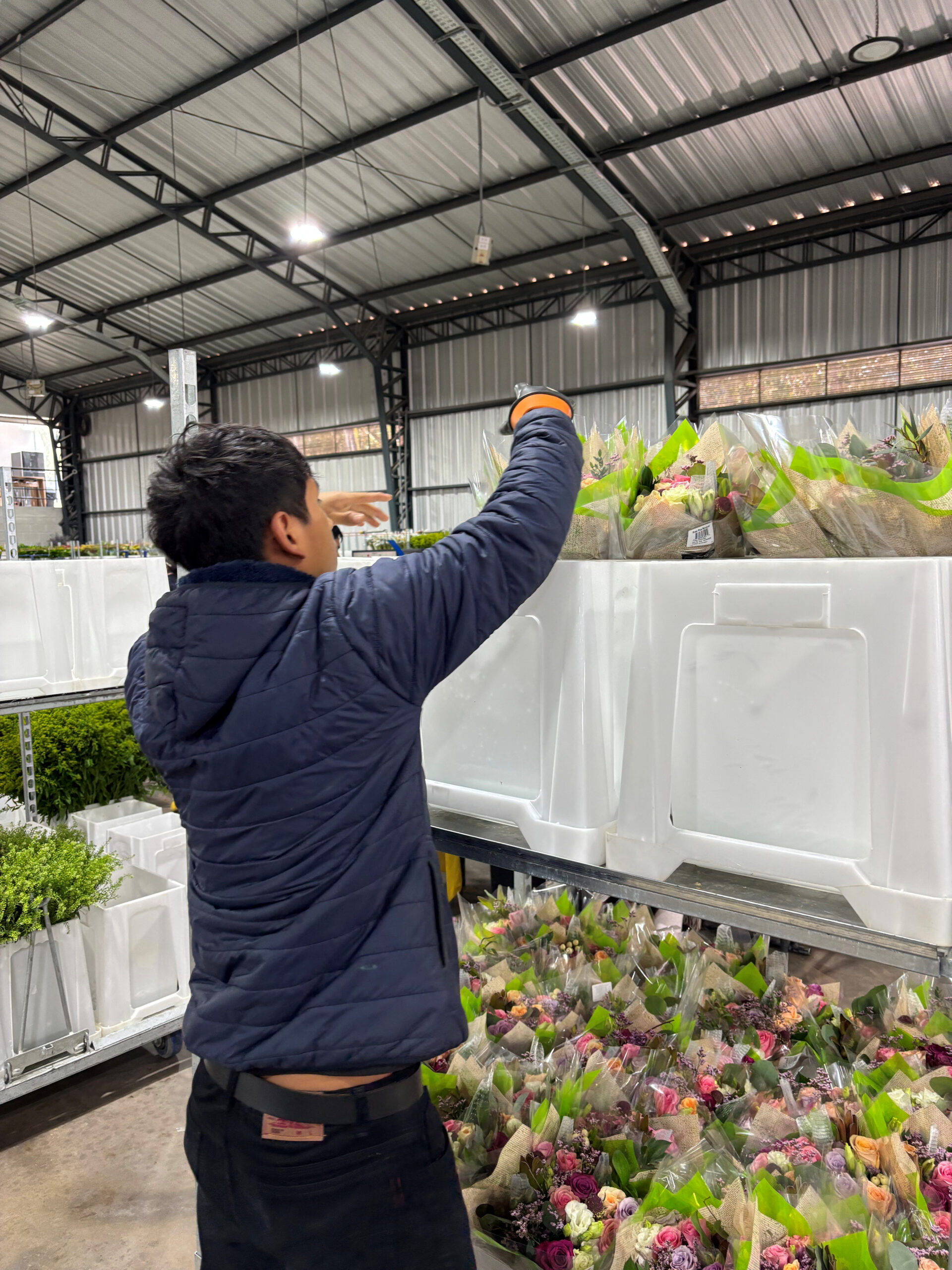
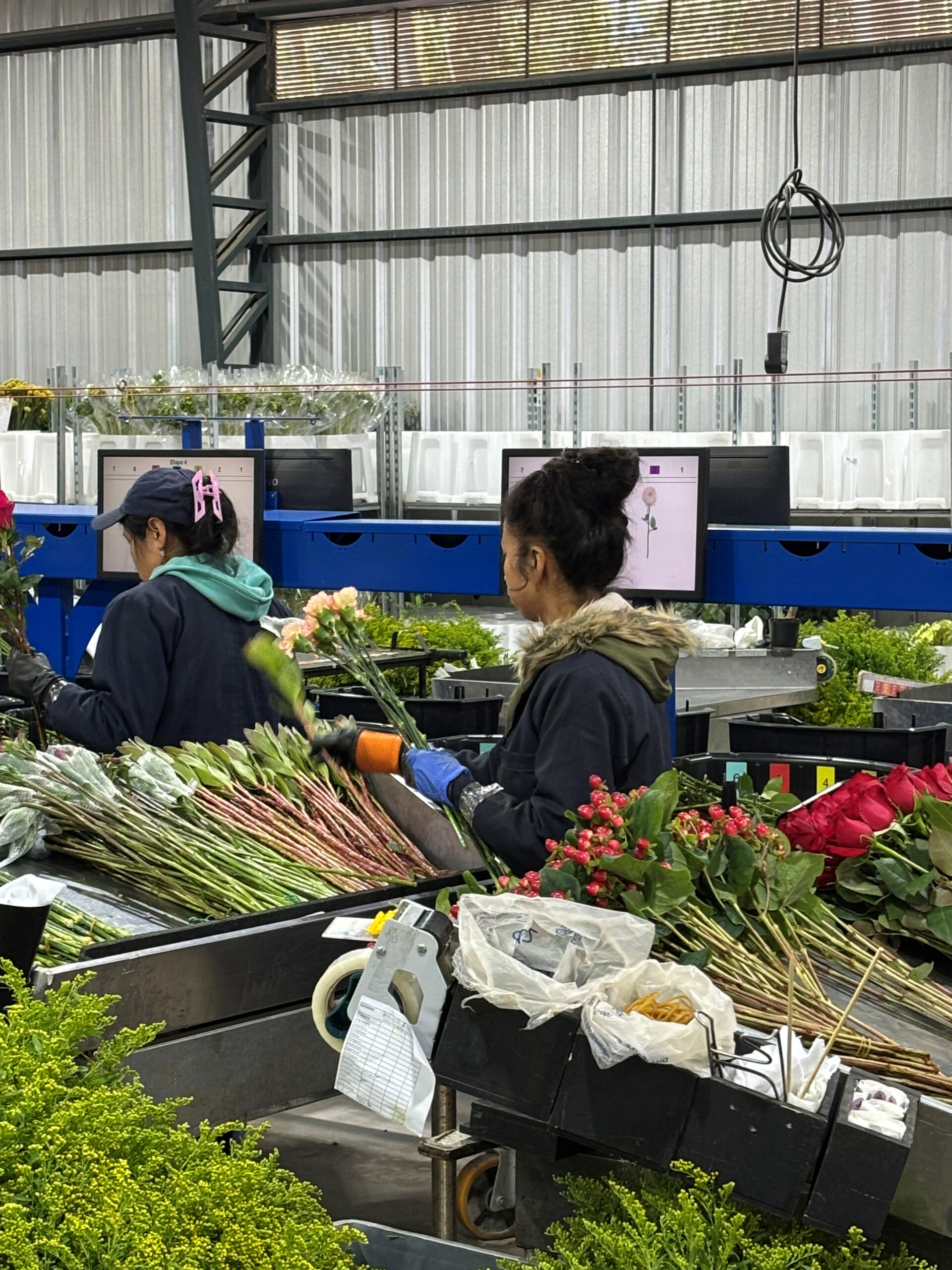
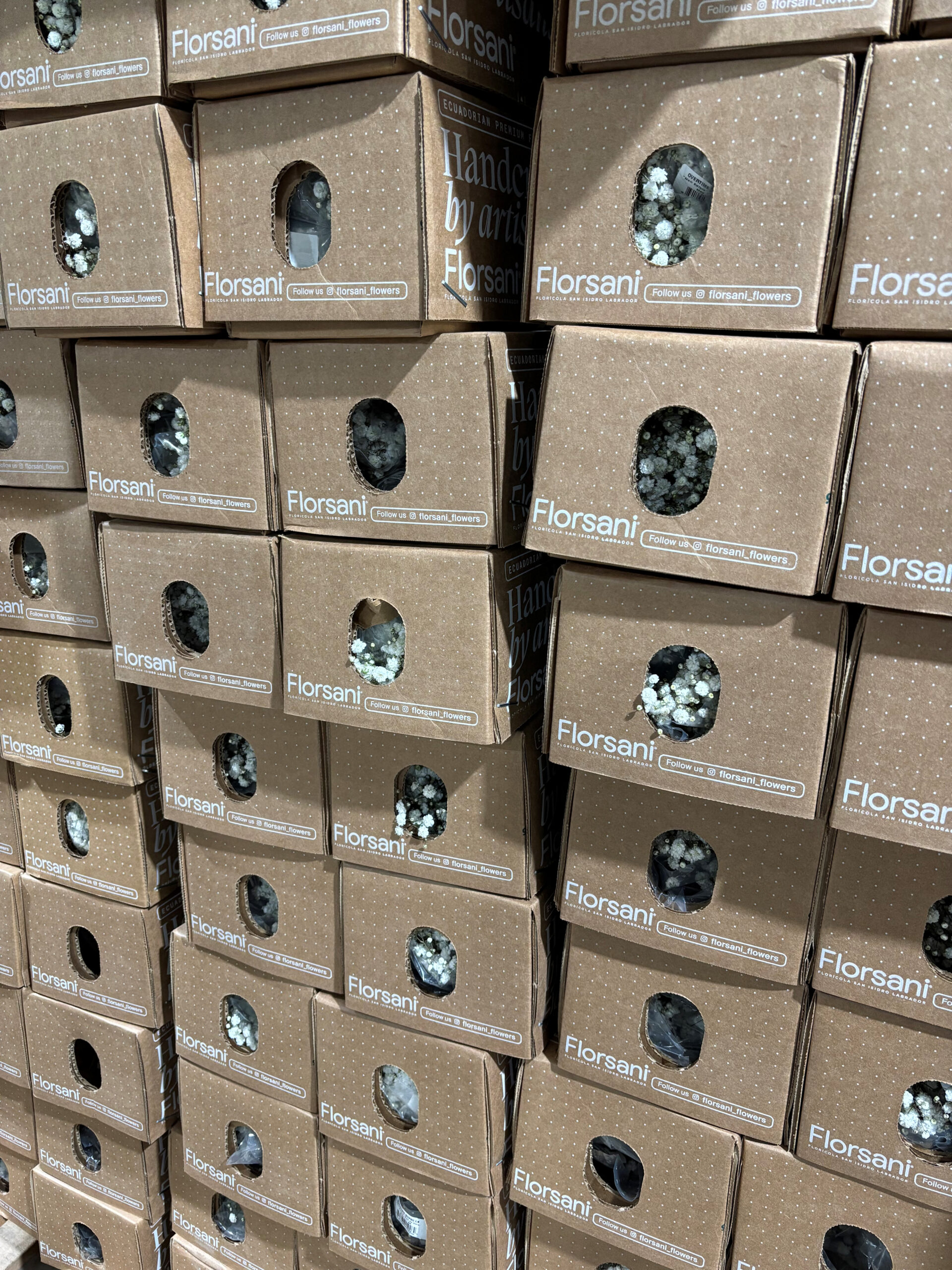
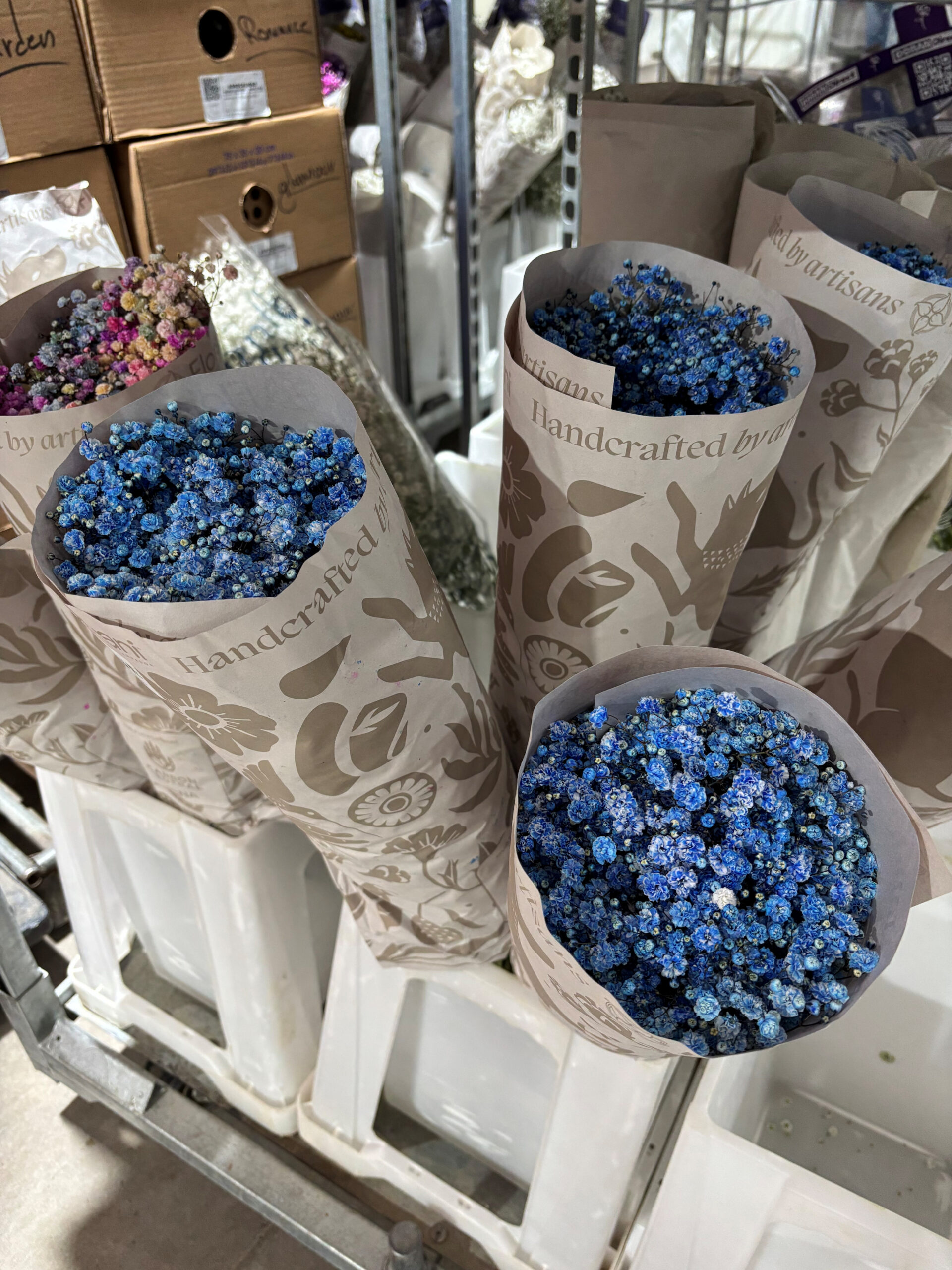
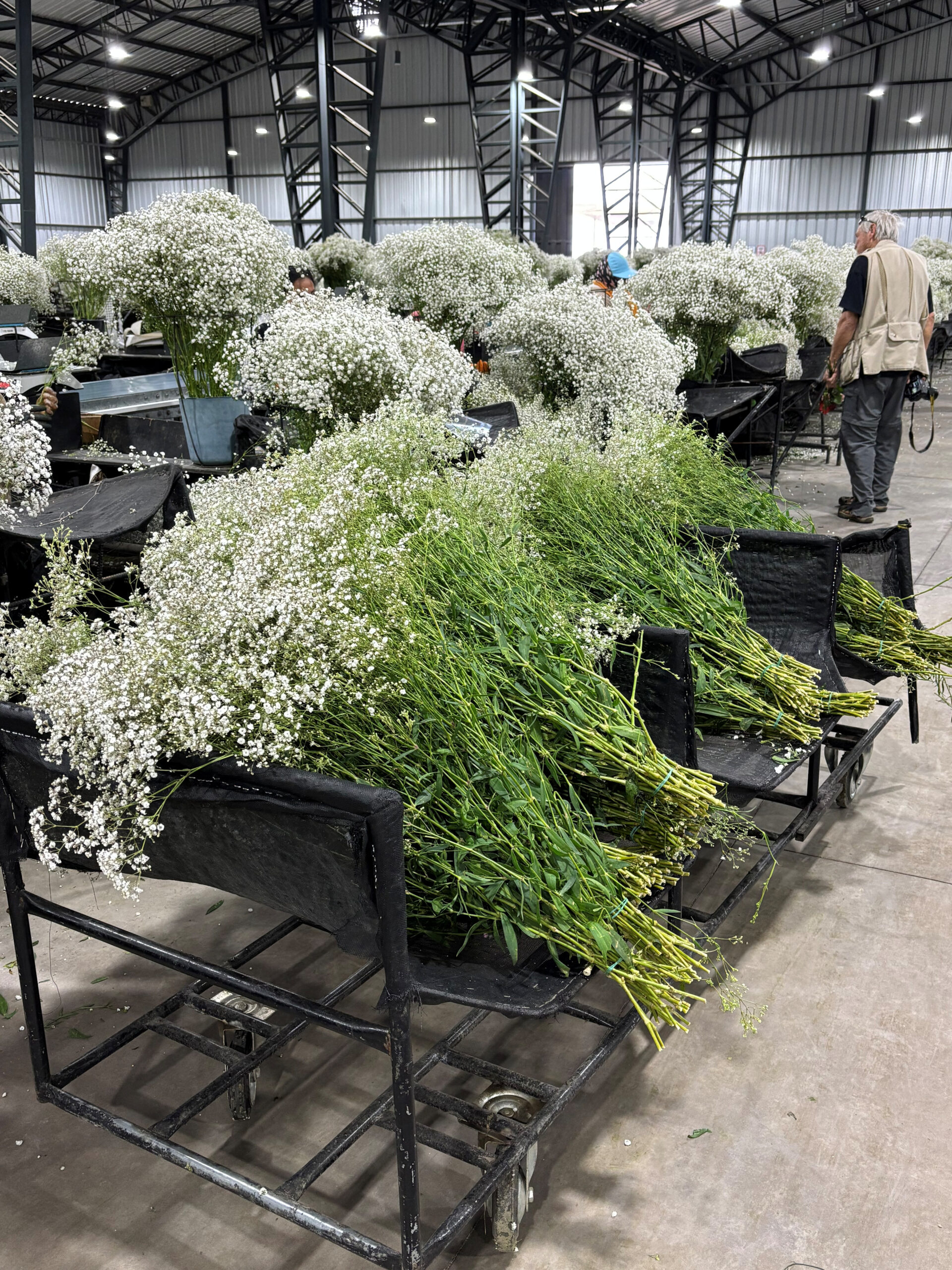
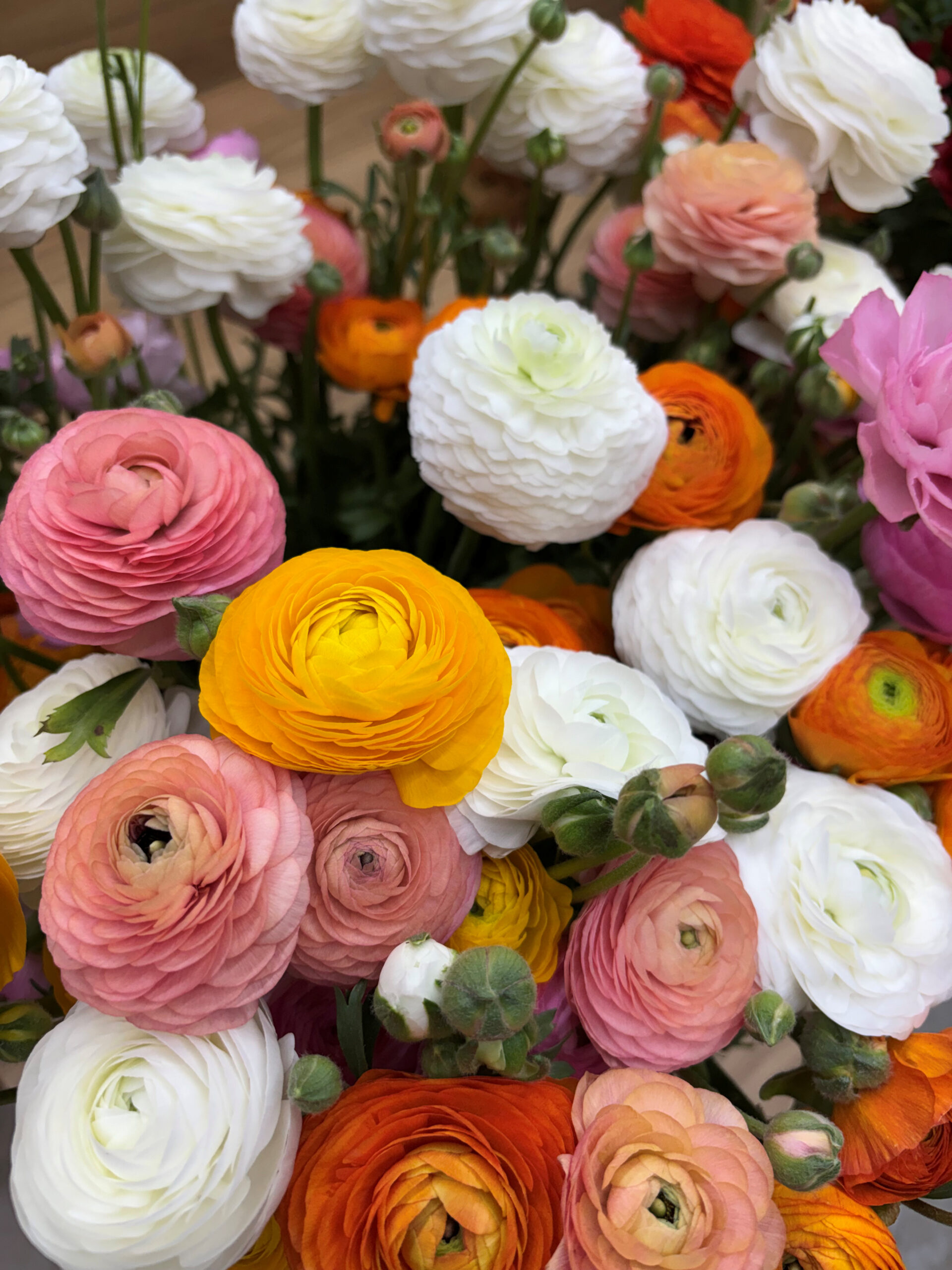
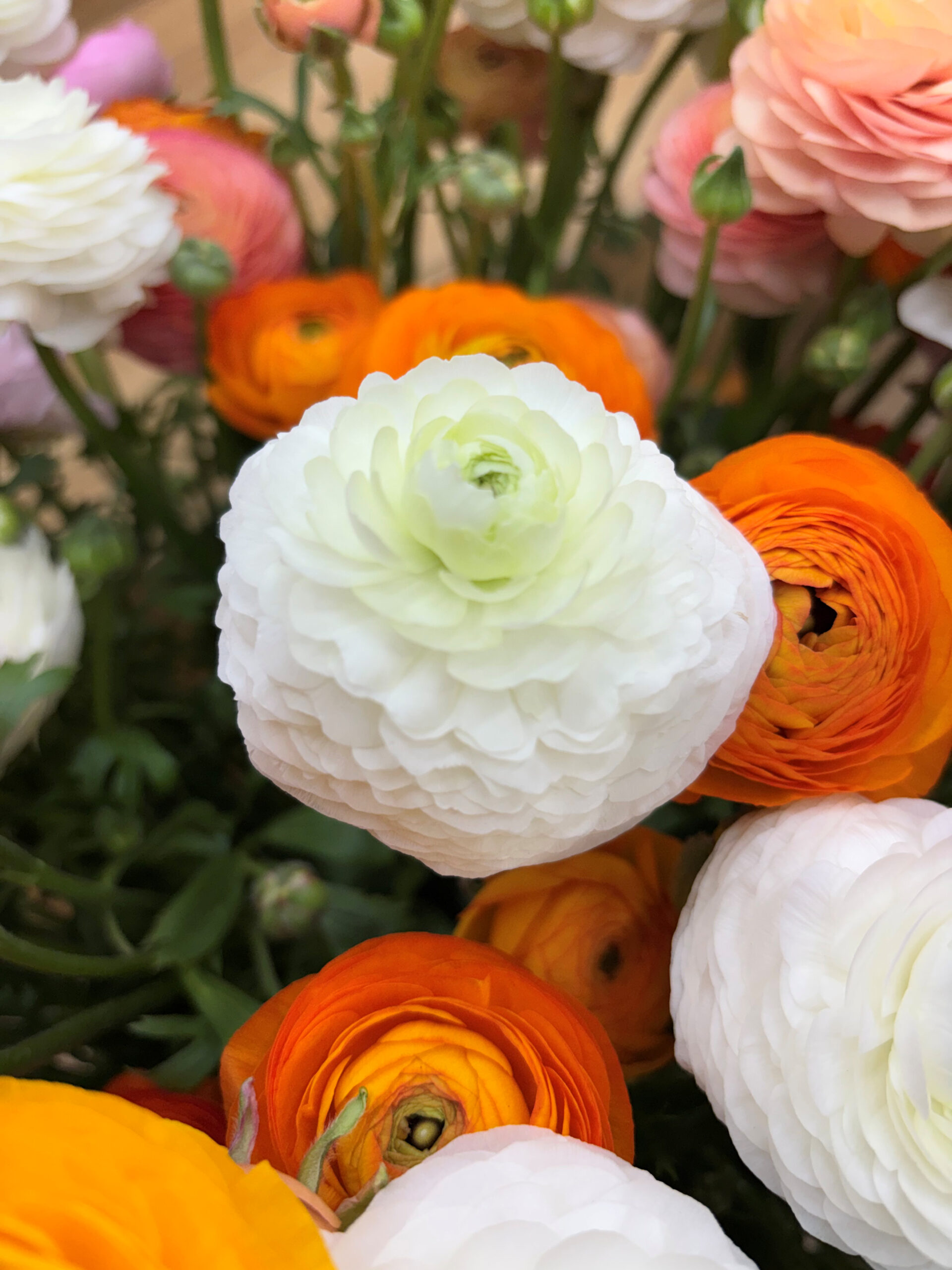
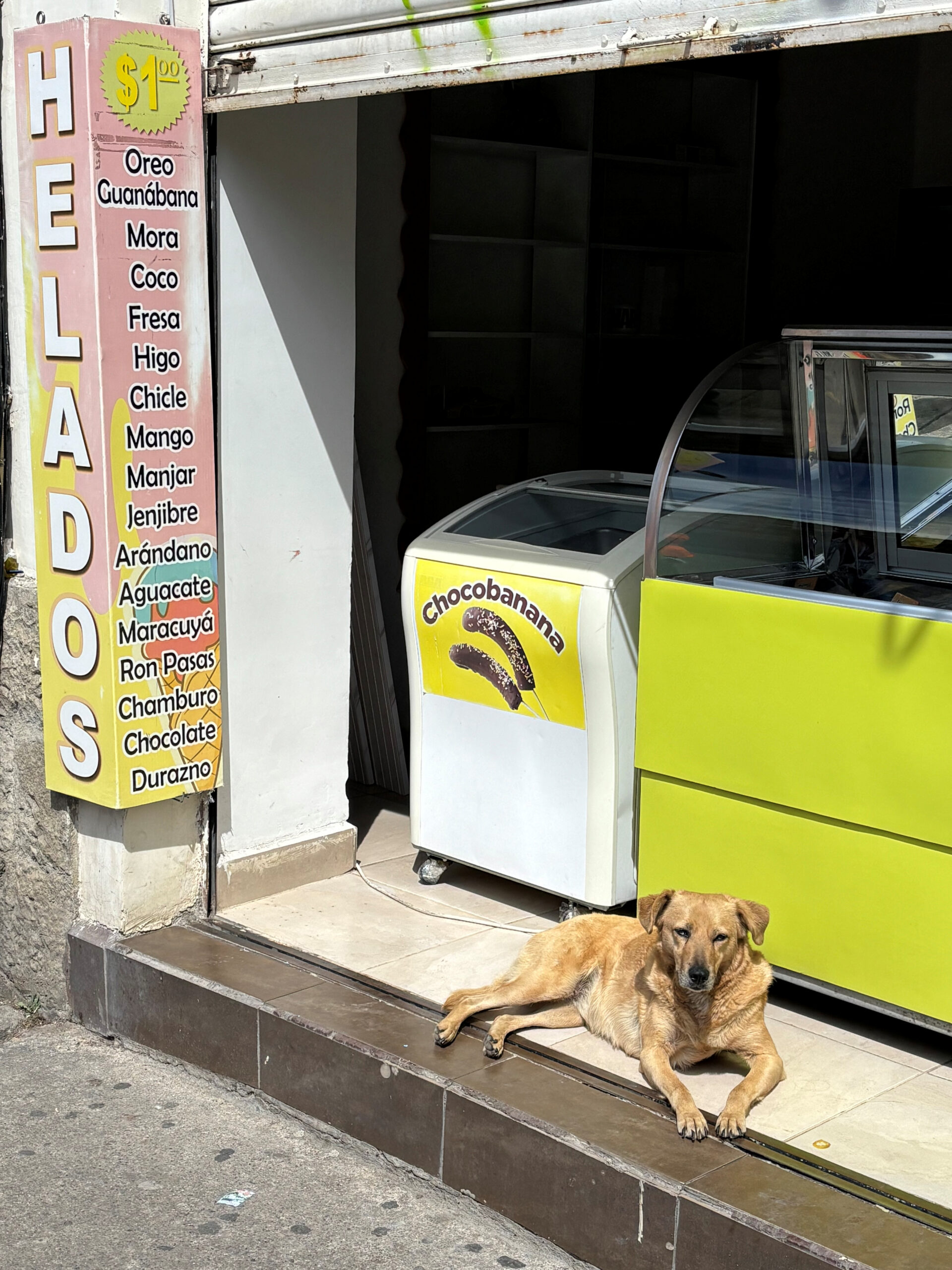
Our first adventure was to see Florsani Flowers, a flower plantation in the Andes mountains. Working with flowers all day sounds like a dream in itself, but the company also has several more notable merits, including practicing fair trade, offering excellent employee benefits like childcare and a program for the elderly, using natural growing methods, and operating its own dog rescue program, which seems vital considering how many street dogs I saw in the country.
One employee pointed out the natural benefits, and said that you know the flowers are grown naturally and free of harsh pesticides because there are so many bees around them. This was evident, and at one point someone wanted a group picture of us in some very buzzy flowers, and I did my best to pretend that I don’t have an irrational fear of bees.
Here are some pictures from inside of the facility, where you can see bouquet and boxing processes, and once ready, many of these flowers would go on to major retailers in the U.S. like Trader Joe’s, Costco, and Sam’s.
We also got to stop at lots of small towns along the way, and I loved seeing all of the little stands, shops, and parks in these towns. This is one that was on the outskirts of Quito and this short video of the street dogs saying hi to the truck dogs gives some insight into how prevalent dogs are in Ecuadorian life. To the left is a lovely little park and in the pictures below the video you can see some different grocery store views.
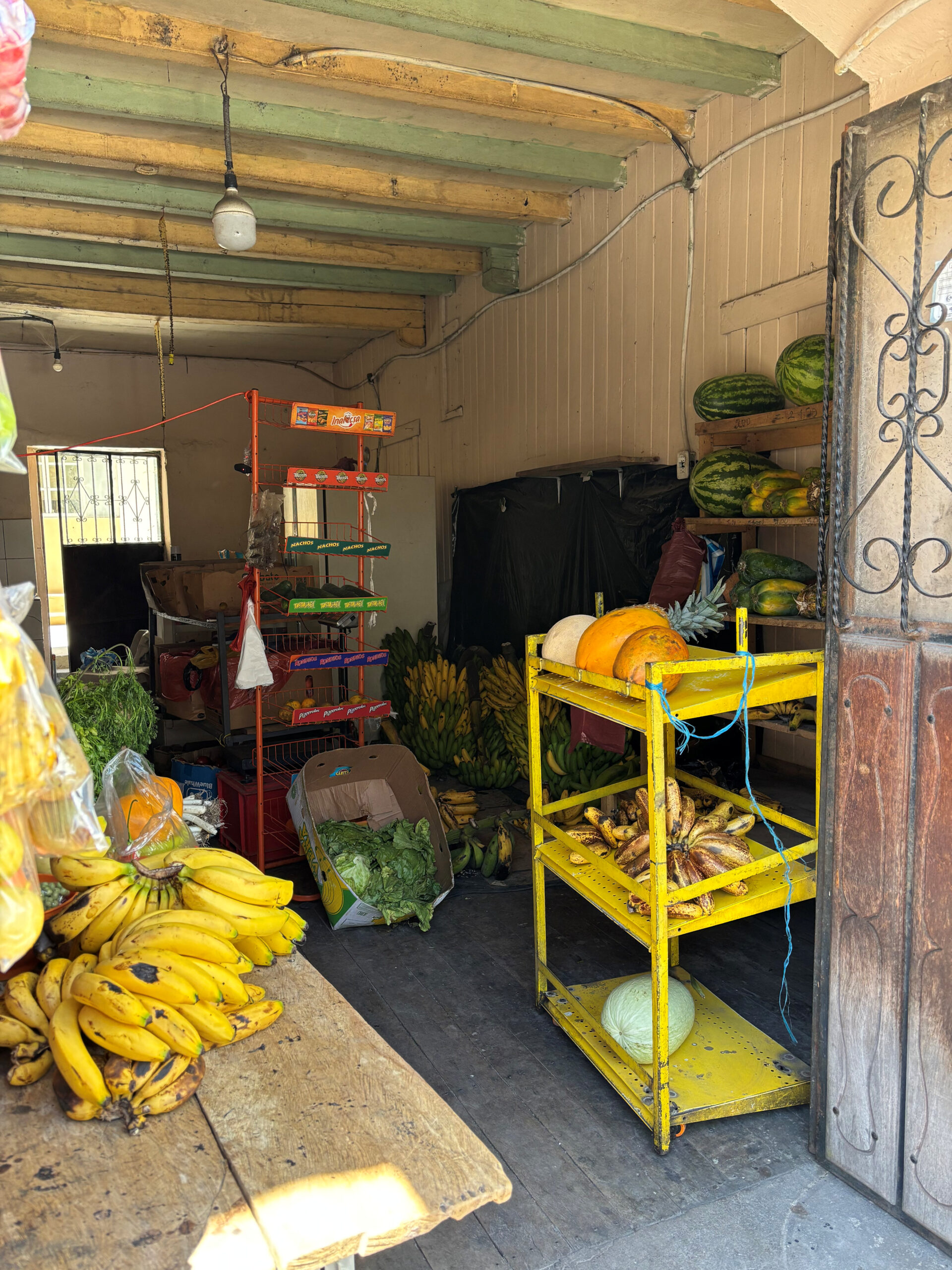
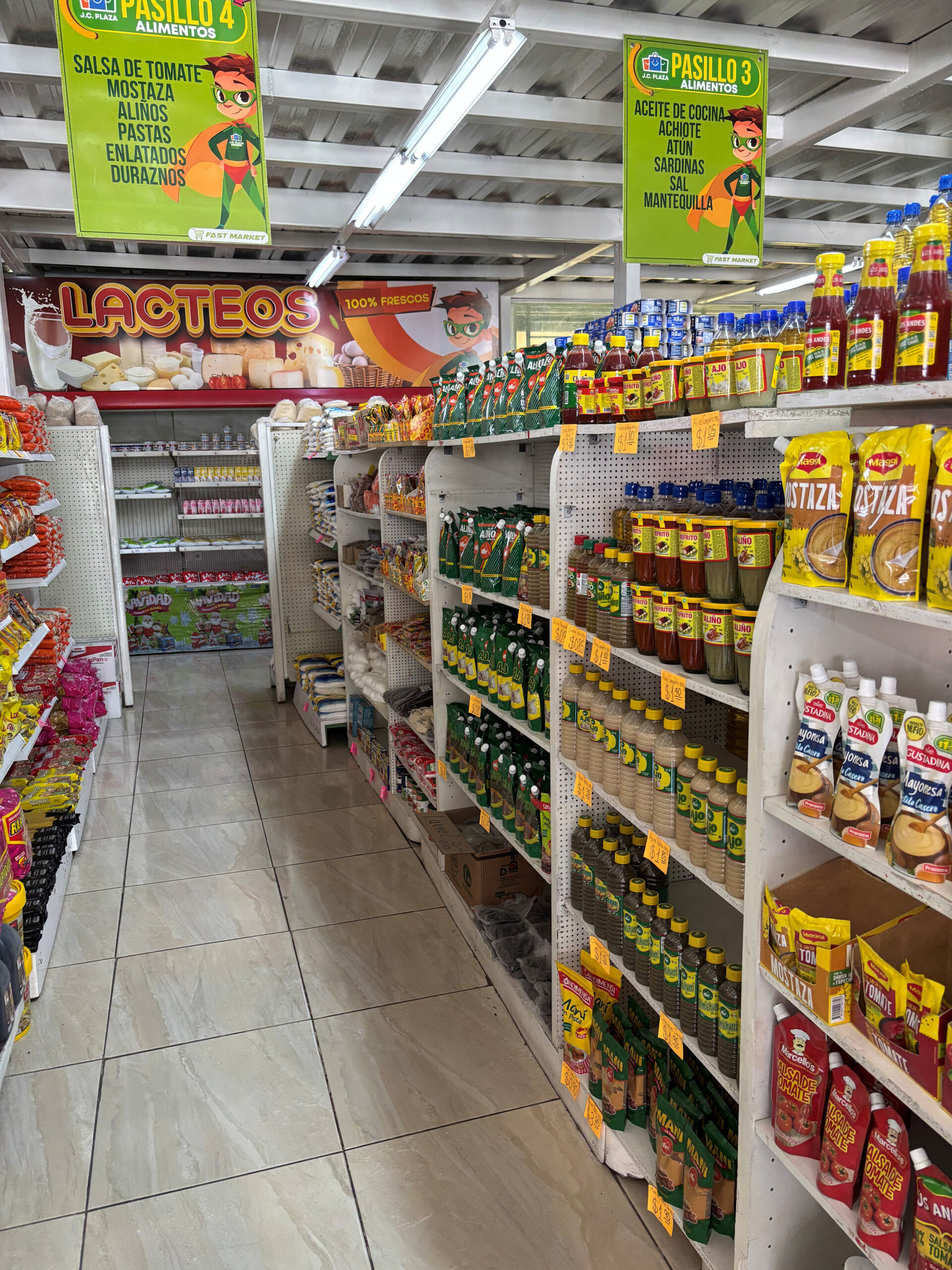
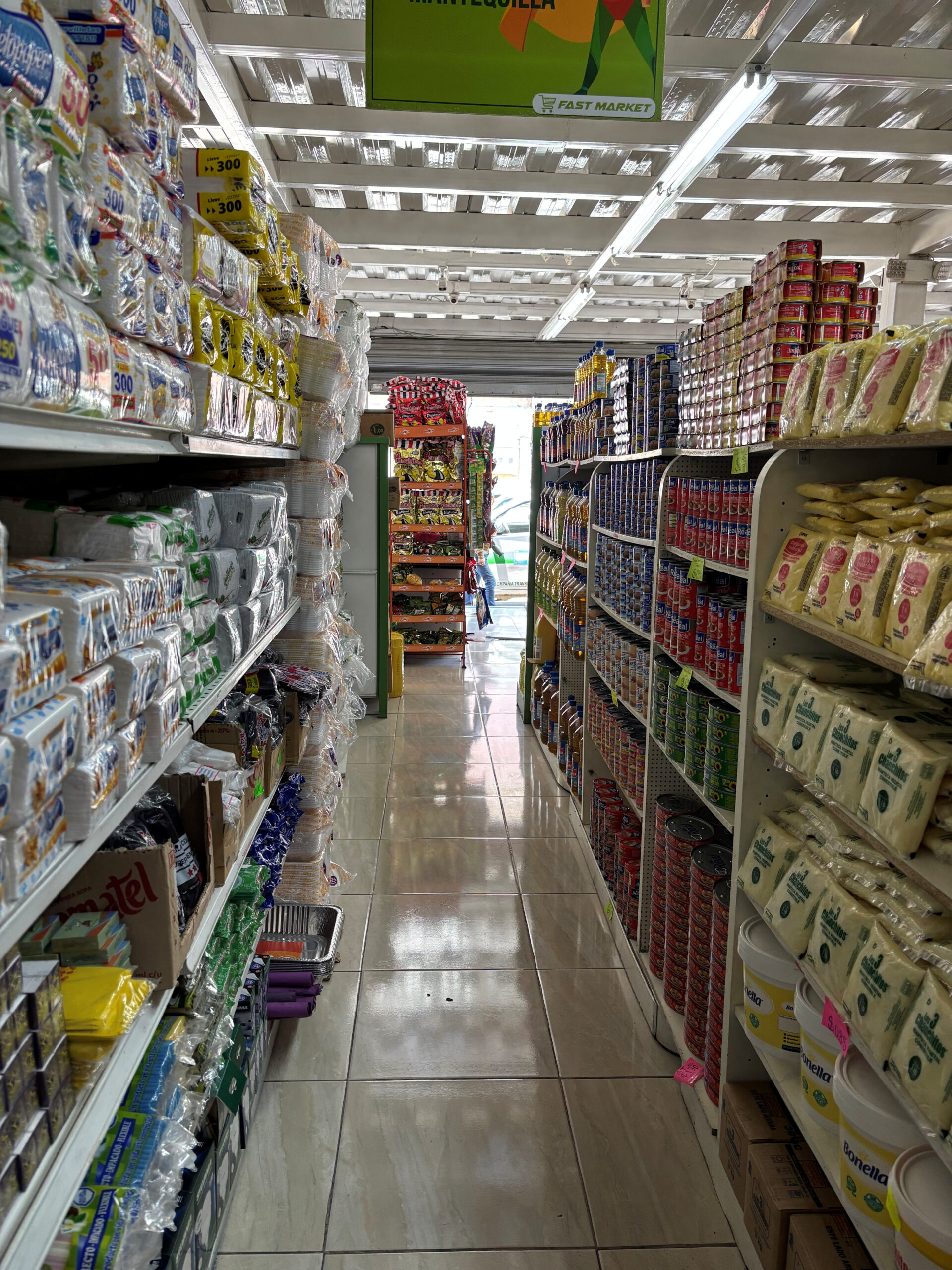
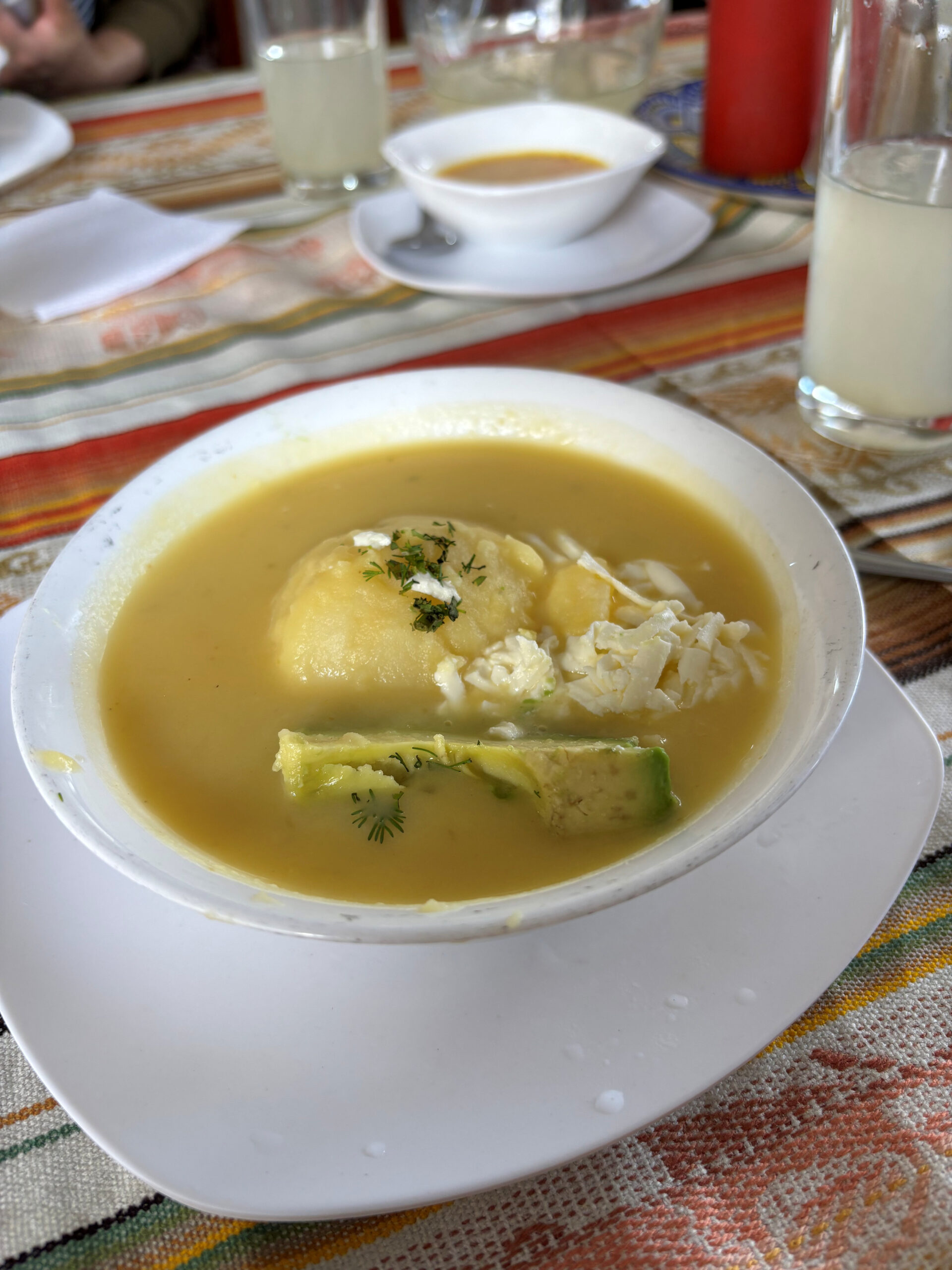
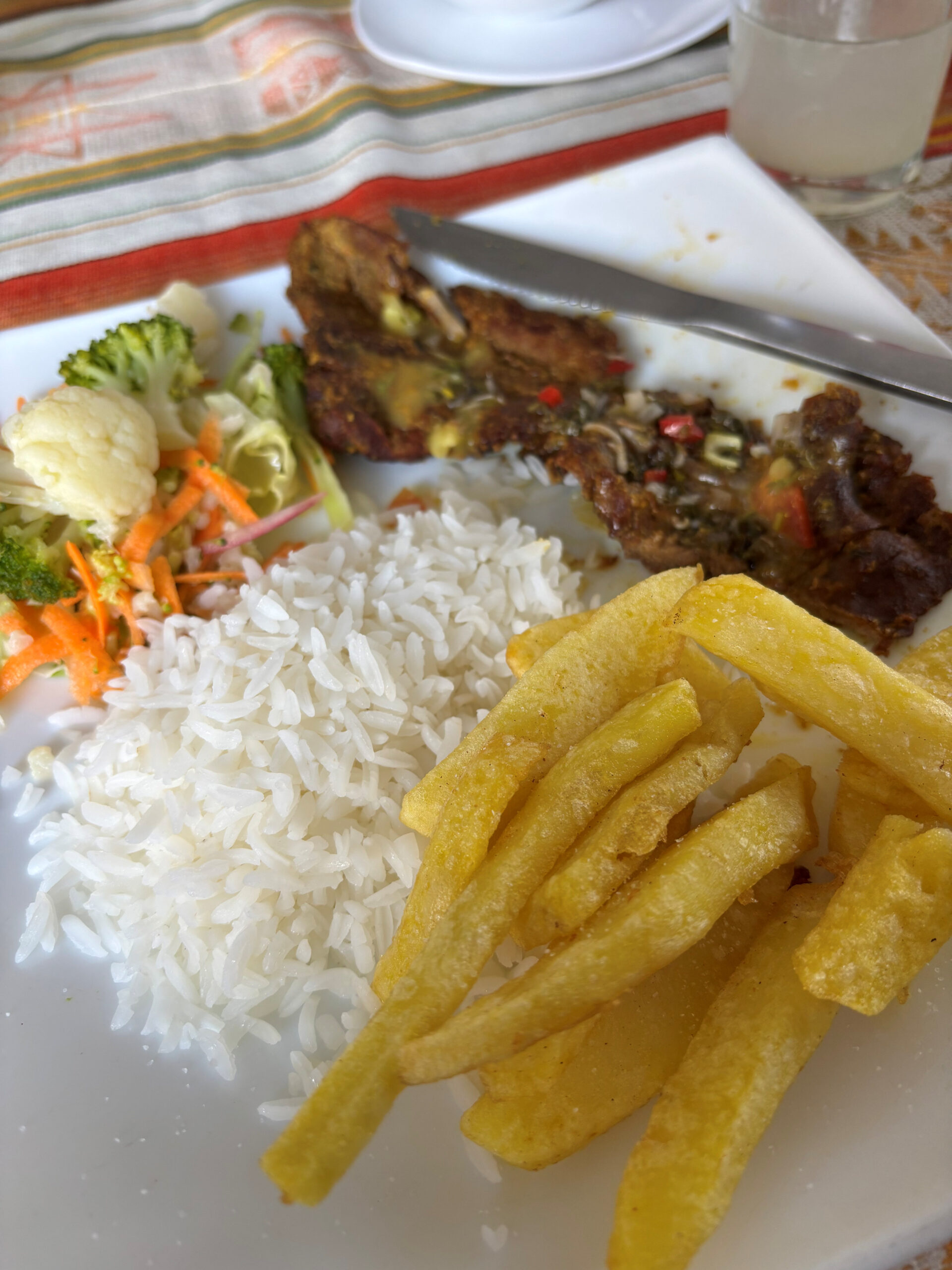
After this, I had my first real Ecuadorian meal, and this meal is indicative of much of the food in Ecuador. It’s very common to start with some kind of root or vegetable soup, following by a plate with meat, rice, some vegetables, and maybe some fries, accompanied by side sauces, and a fruit juice, lemonade, or beer. There were two local beers that were good and that you could get almost anywhere: Club and Pilsener, the national beer of Ecuador. Most of the meals we ate in different regions of Ecuador looked very much like this.
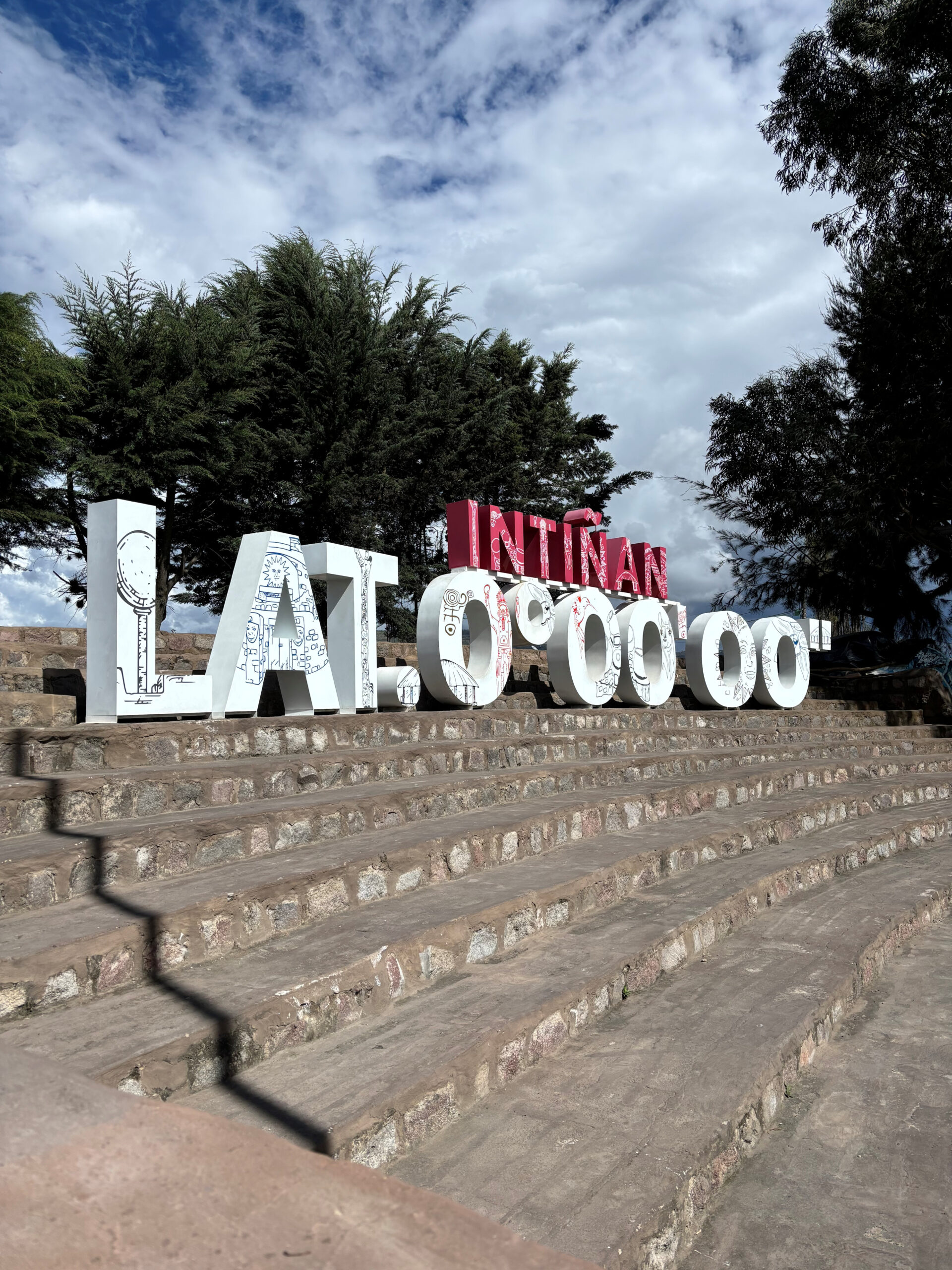
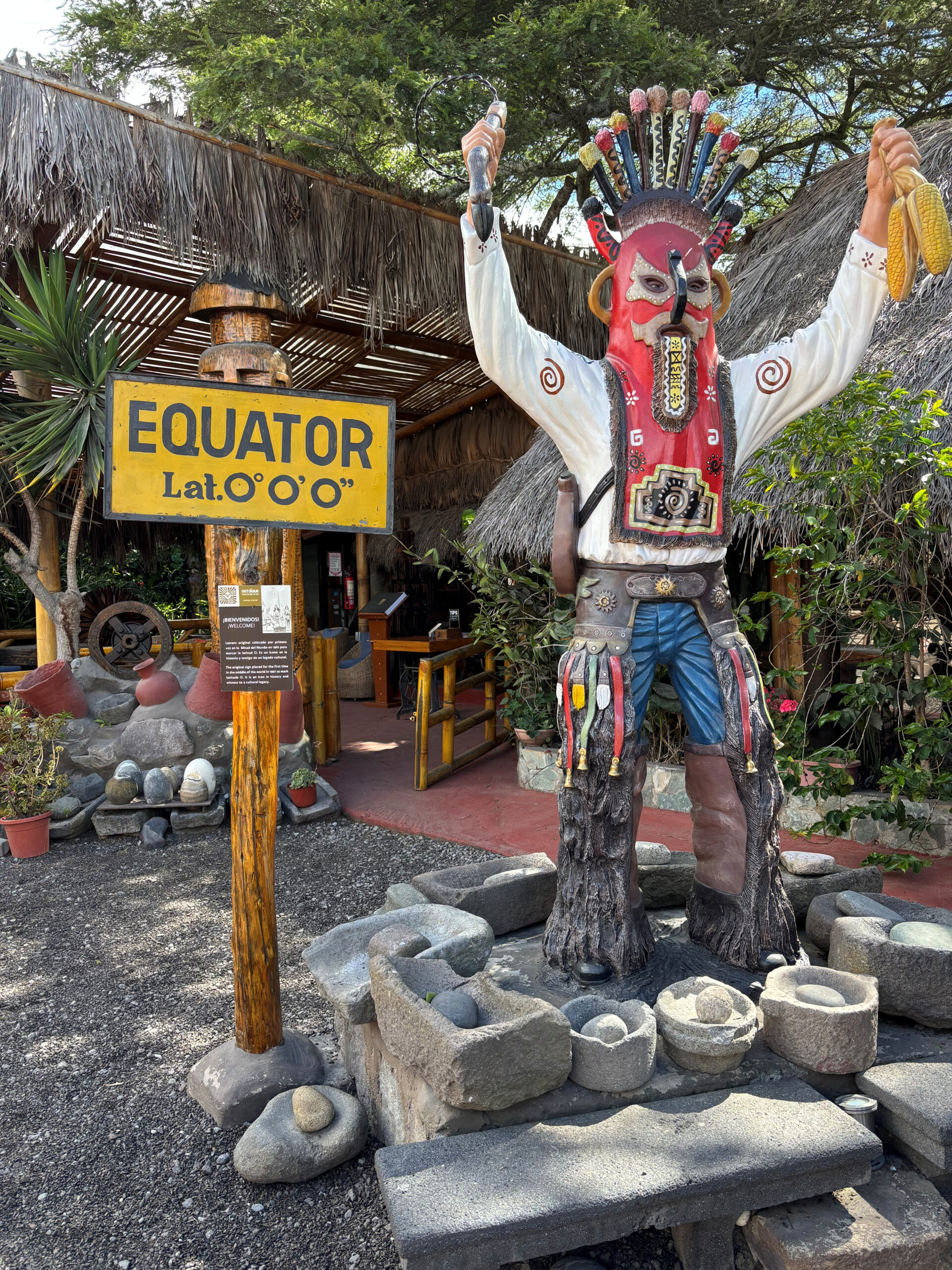
After lunch, we went to Intiñan equator museum. This is a great place to learn about the equator and some history of the area. They taught us about the equatorial bulge and how the earth is not perfectly round, accounting for how Ecuador’s Mount Chimborazo is closer to the sun than Everest. And here you can stand with one foot on each side of the equator and watch cool science demonstrations of things like water draining on one side of the equator and going clockwise, and water draining from the other side of the equator just a few feet away and going counter-clockwise. They also have an early Ecuadorian home that was restored complete with an area for the guinea pigs (more about that later), a llama petting area, and a tribute to the Galapagos Islands, which are also part of Ecuador. If you go to this museum, one important thing to remember is to bring your passport, because they will stamp it for you!
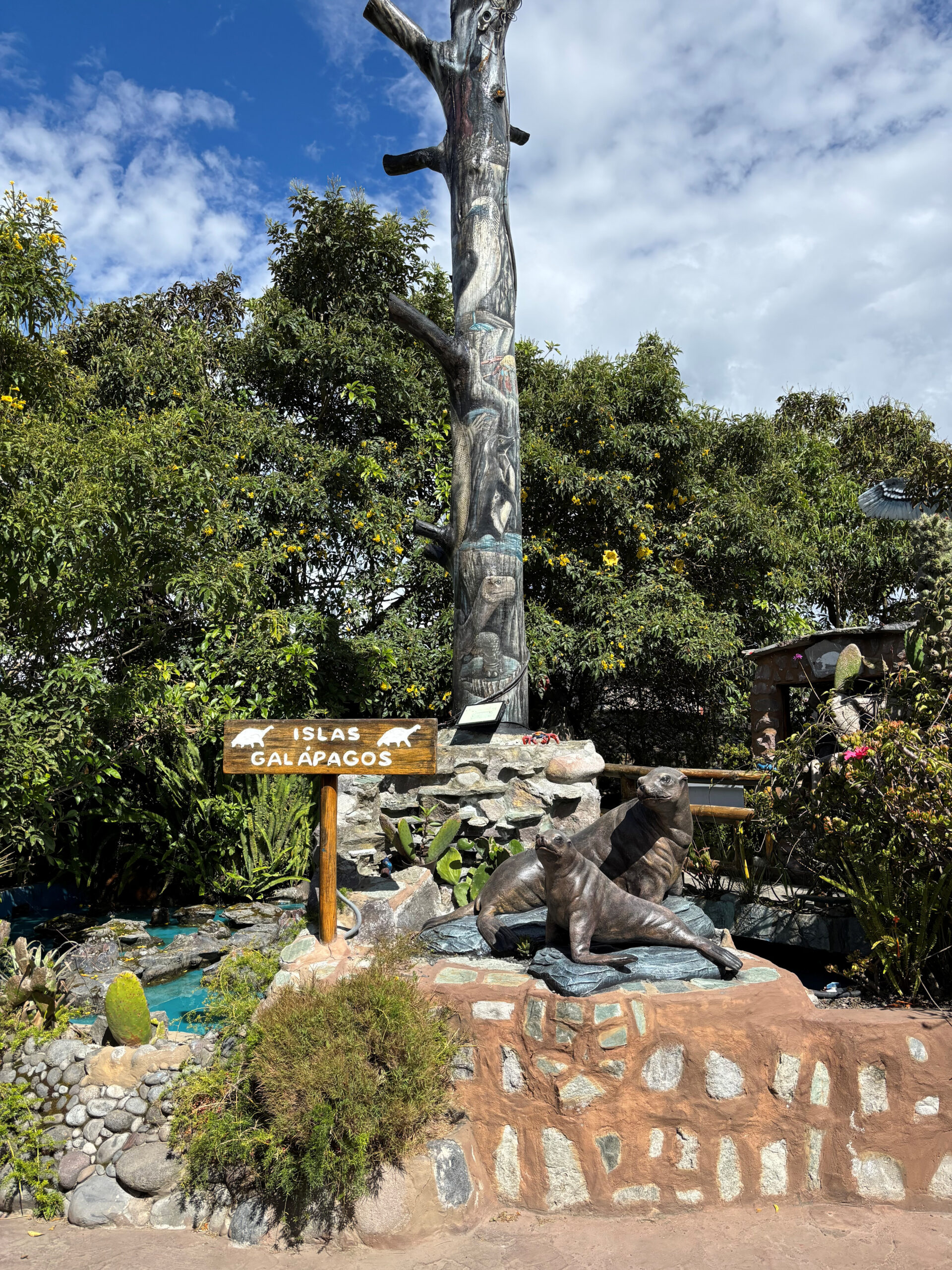
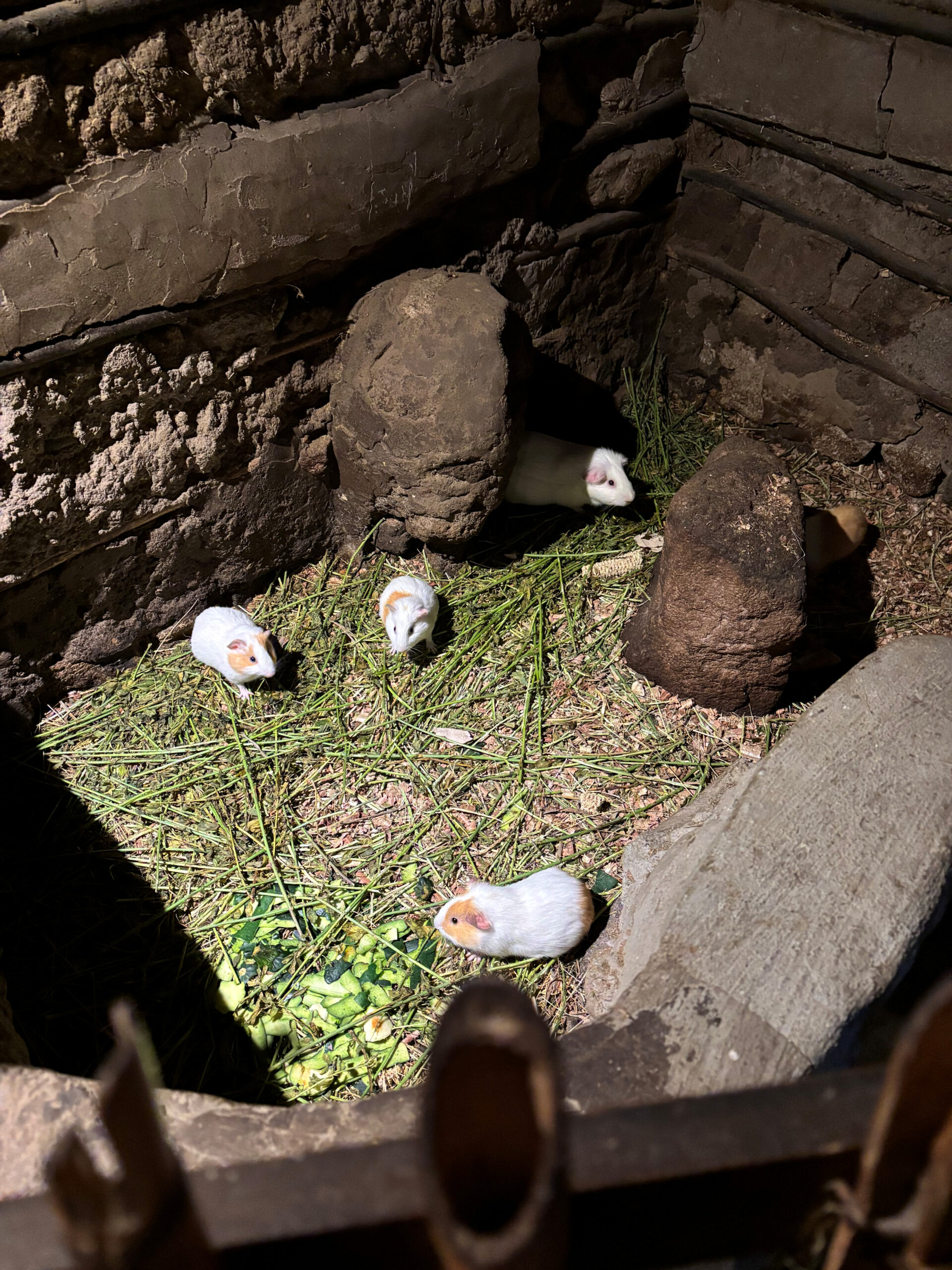
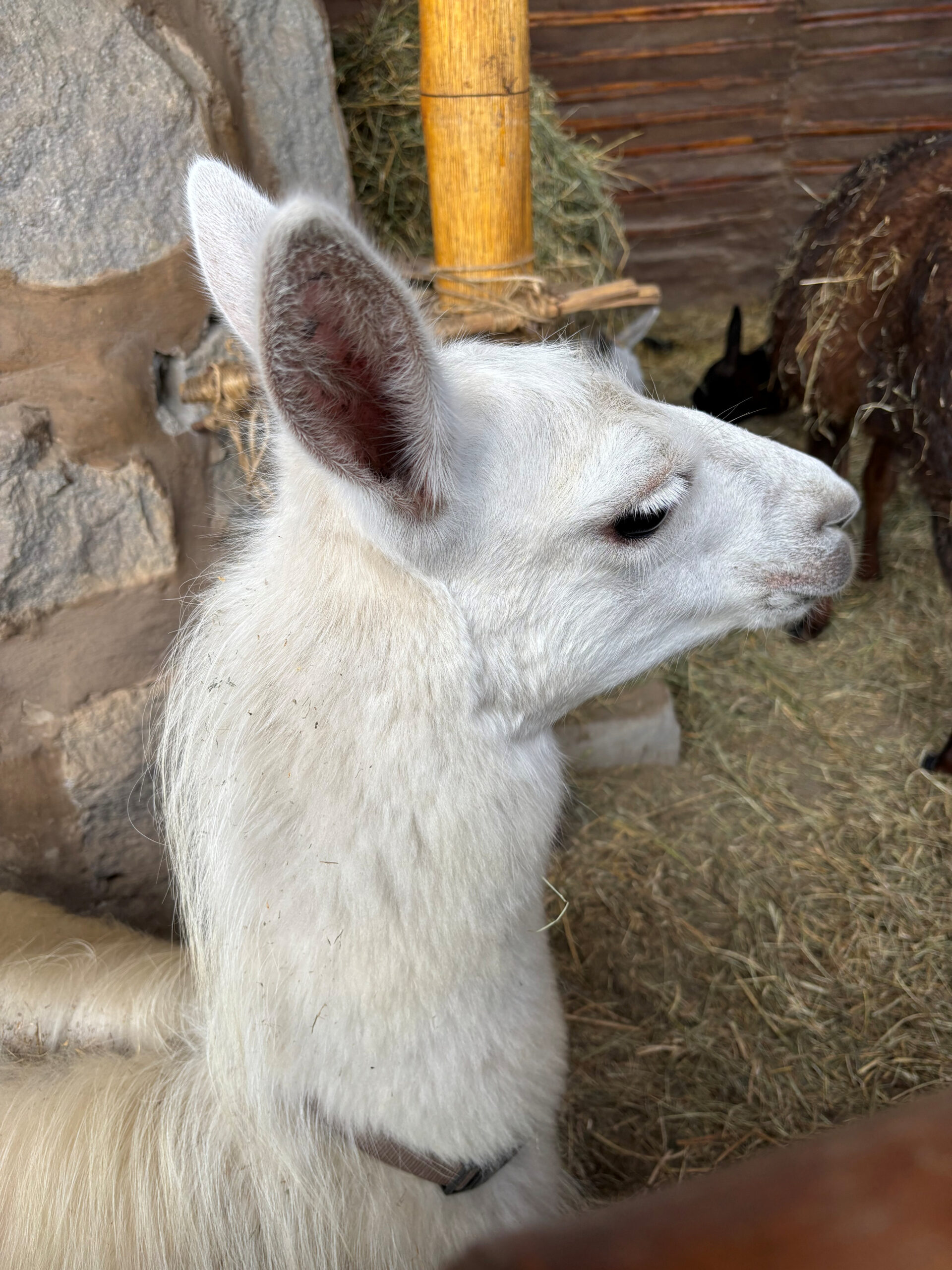
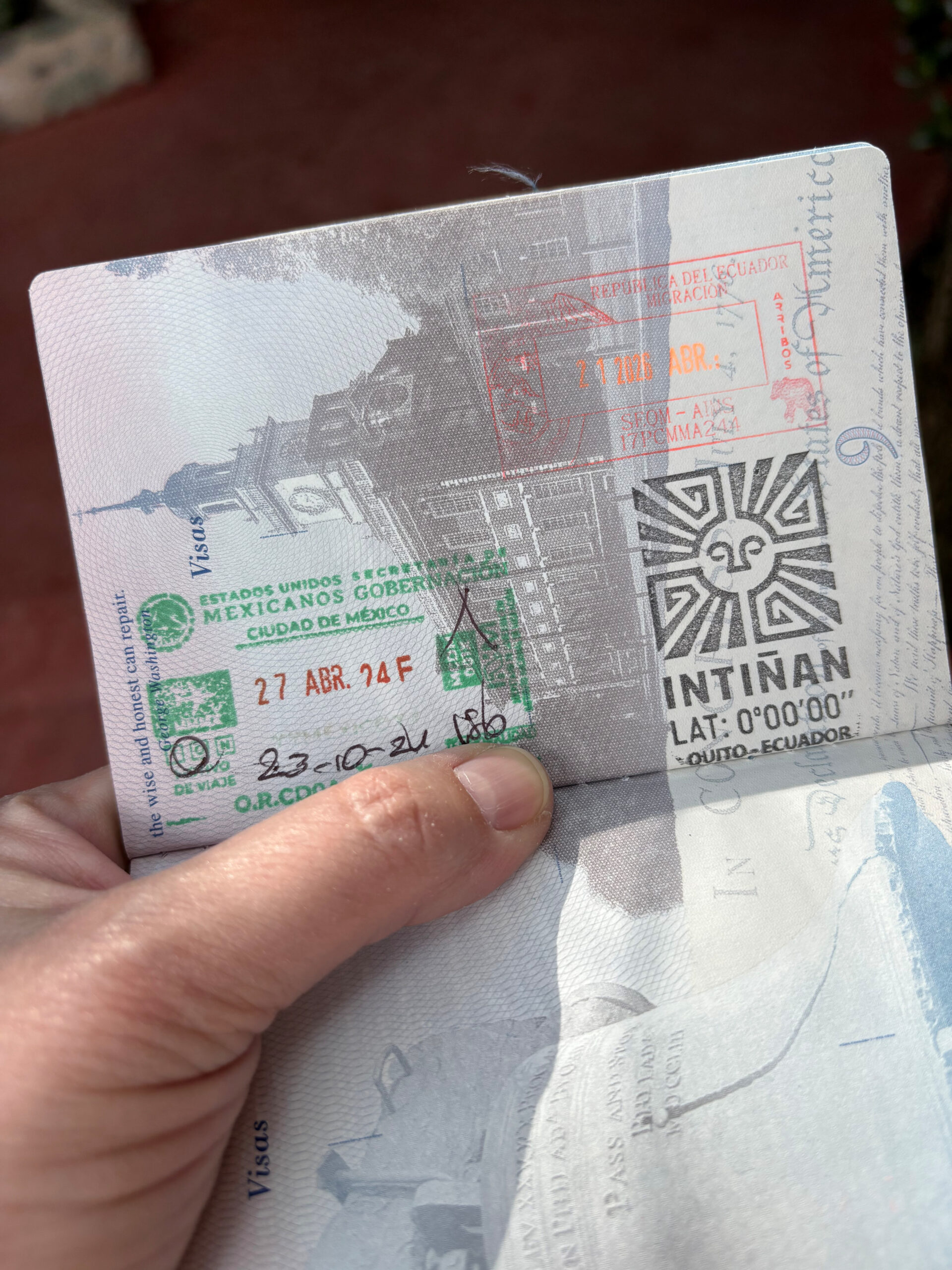
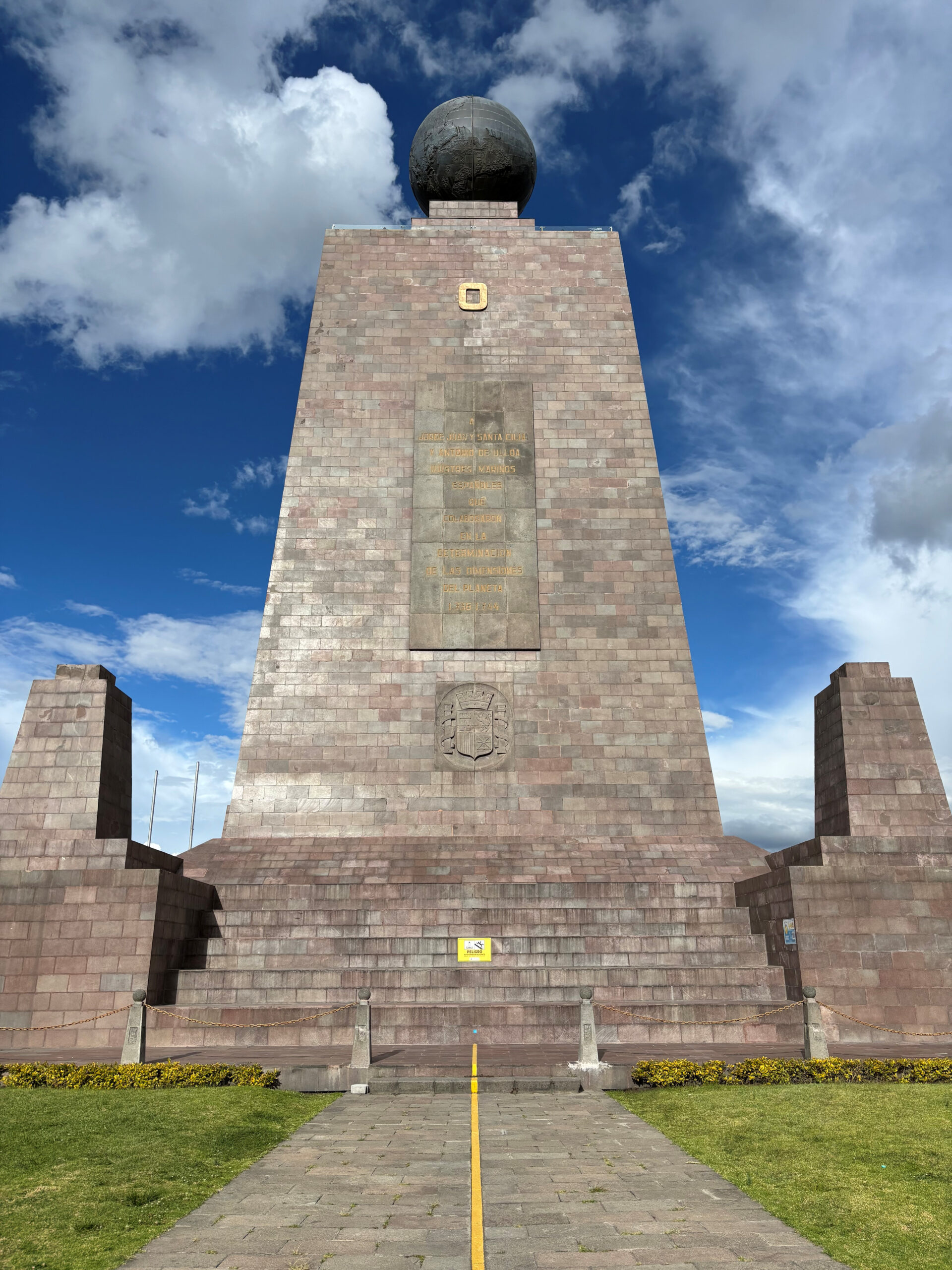
Just down the road from the Intiñan museum is a massive equator monument called the “Middle of the World” (Ciudad Mitad del Mundo) that was built in 1979. The calculations were a bit off when it was built, so it’s not actually on the equator, but it’s still a famous site in the area and worth a visit to see its towering height and to get a photo, if nothing else. Also for your consideration, there is a bit of an uphill walk to get close to the monument, and a small fee (around $5-$7.50 per person) to get in the main monument complex. This was probably the most touristy thing we did on the trip.
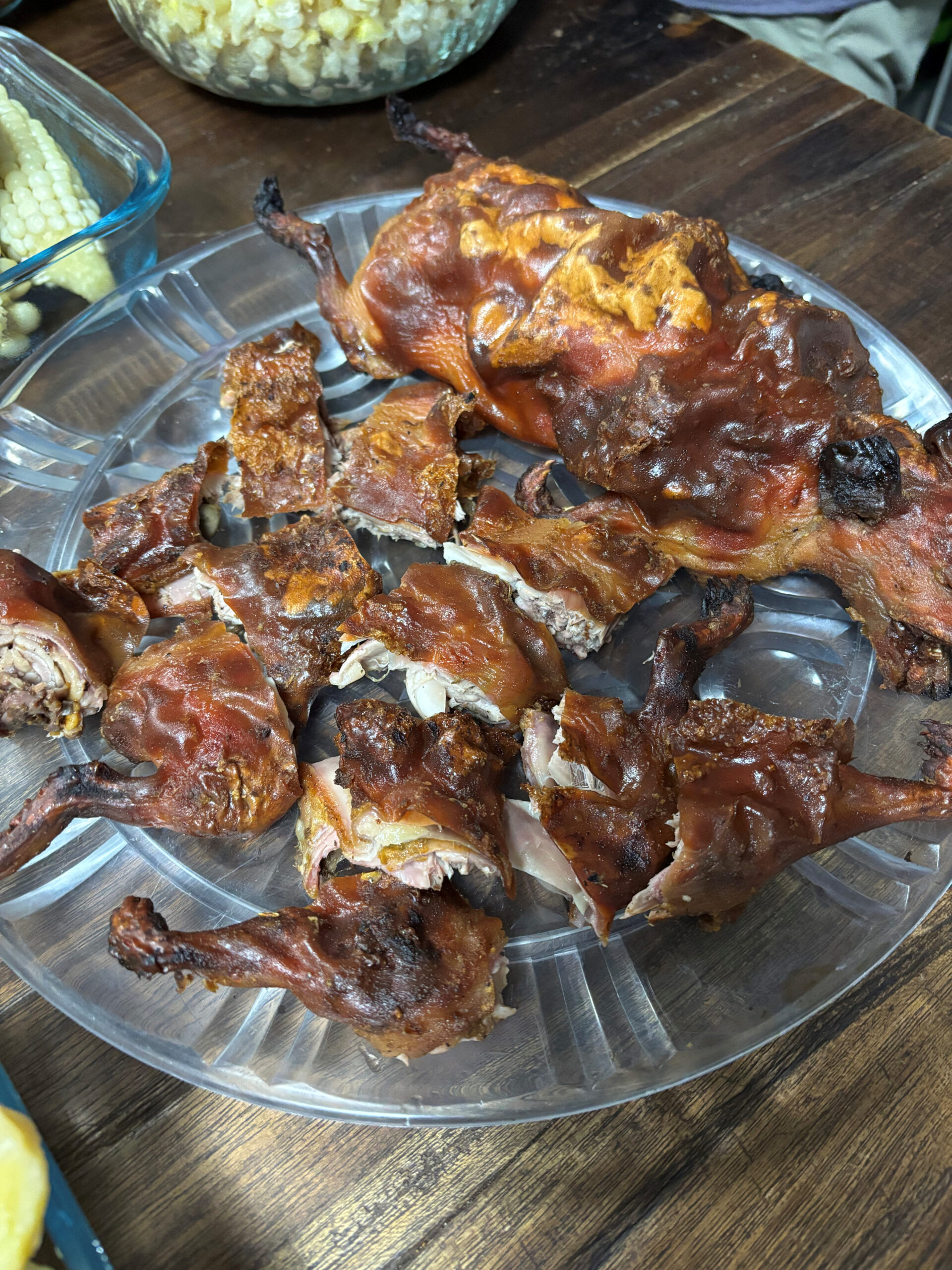
Back to the guinea pigs. In the U.S., many people cherish them as adorable pets, which is why it may come as a shock to some that in Ecuador, they are a major food staple called “cuy.” And cuy is everywhere in Ecuador! I saw signs for cuy on restaurant windows and food stands all over the place. One of our very gracious hosts who lives in Ecuador invited us to a dinner featuring foods of Ecuador, and there I tried cuy for the first time. It’s known for its richness and flavor, and is often served on special occasions in Ecuador.
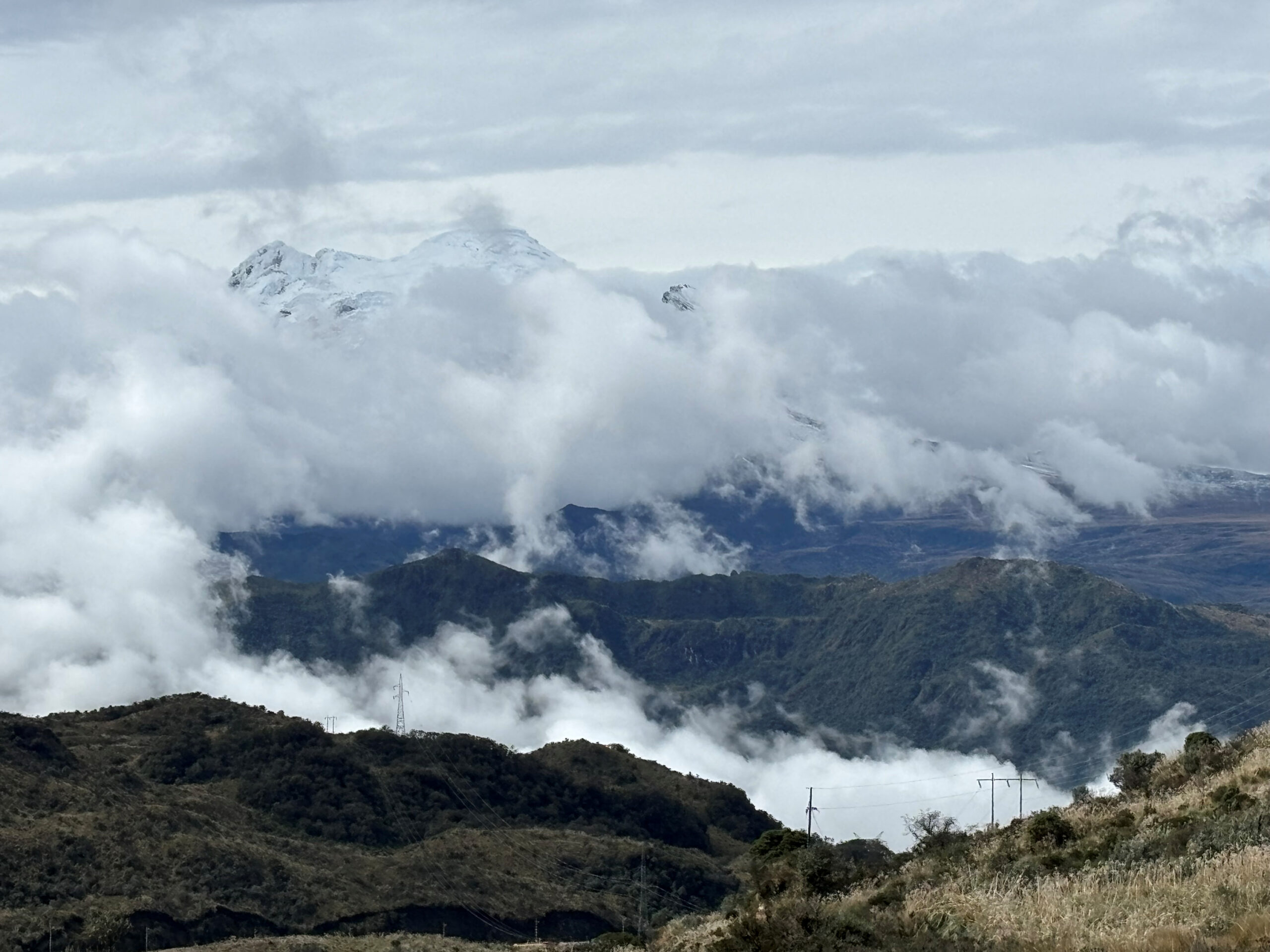
One of my favorite things about this trip is that we got to stop and look at a lot of roadside views, especially views of different mountains in the Andes. As our bus headed southwest from our starting point of Quito, we stopped to take in this idyllic view of Volcán Antisana peeking through the clouds. At 18,875 feet, Volcán Antisana is the fourth highest peak in Ecuador.
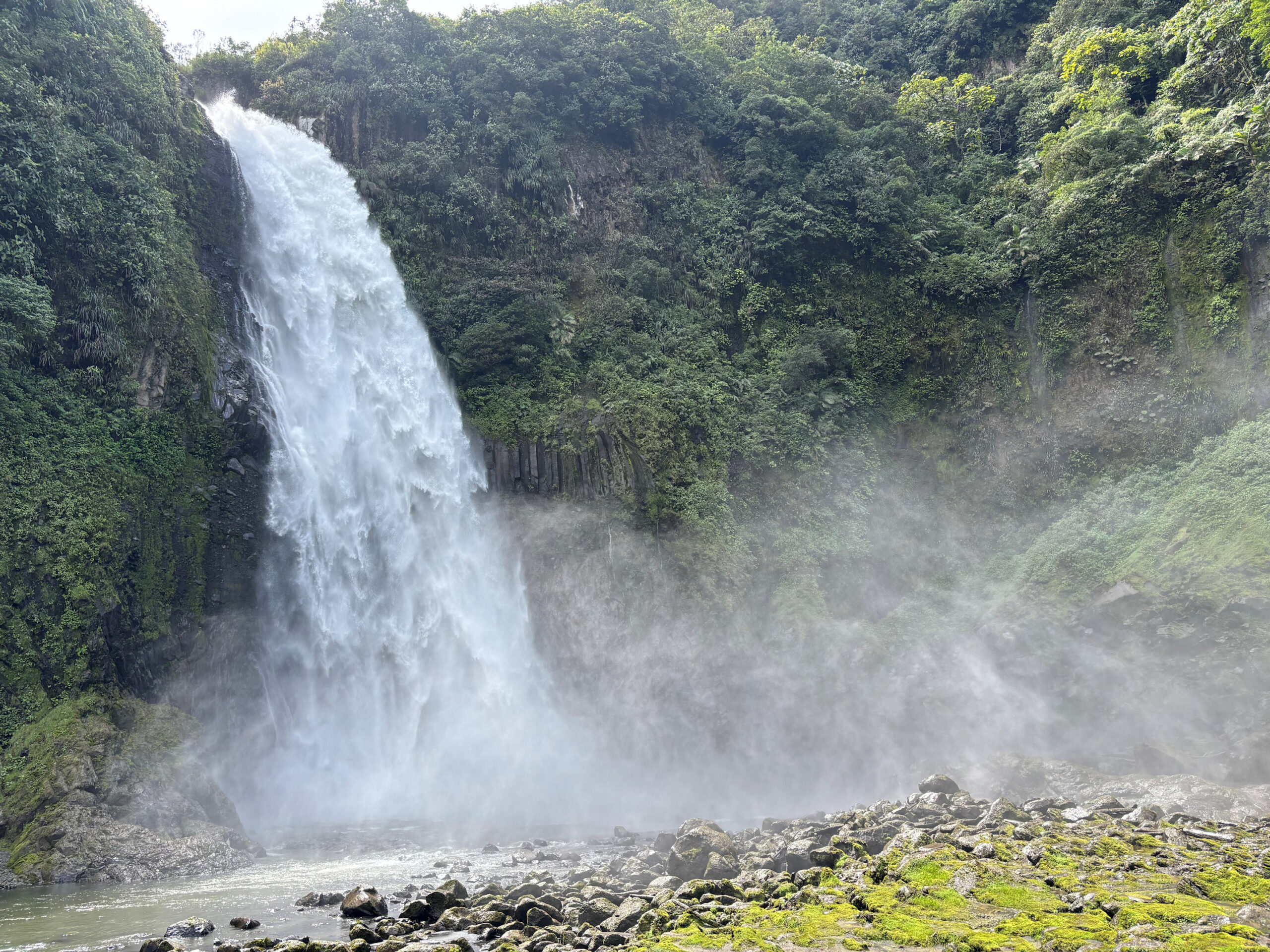
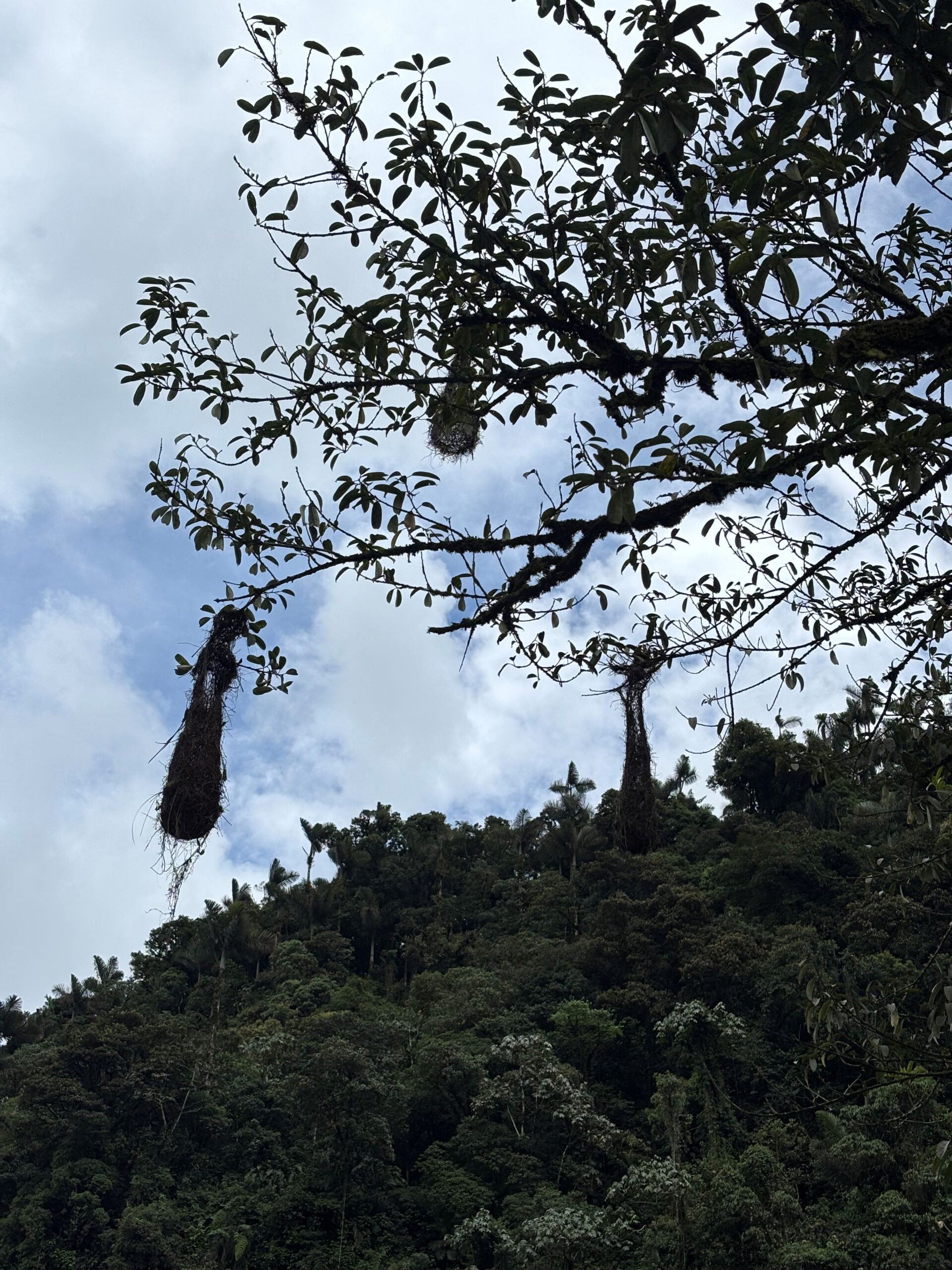
We also got to stop and see many beautiful rivers, streams, and waterfalls as we traveled from town to city, including one of the most magnificent waterfalls that I’ve seen, Cascada Magica del Rio Malo in El Chaco. To get close to the waterfall, we took a short hike through dense vegetation and listened to tropical birds like the Oropendola bird, which has a beautifully strange song that sounds like water dripping or bubbles and makes these intriguing hanging basket nests in the trees, as seen in the first picture below.
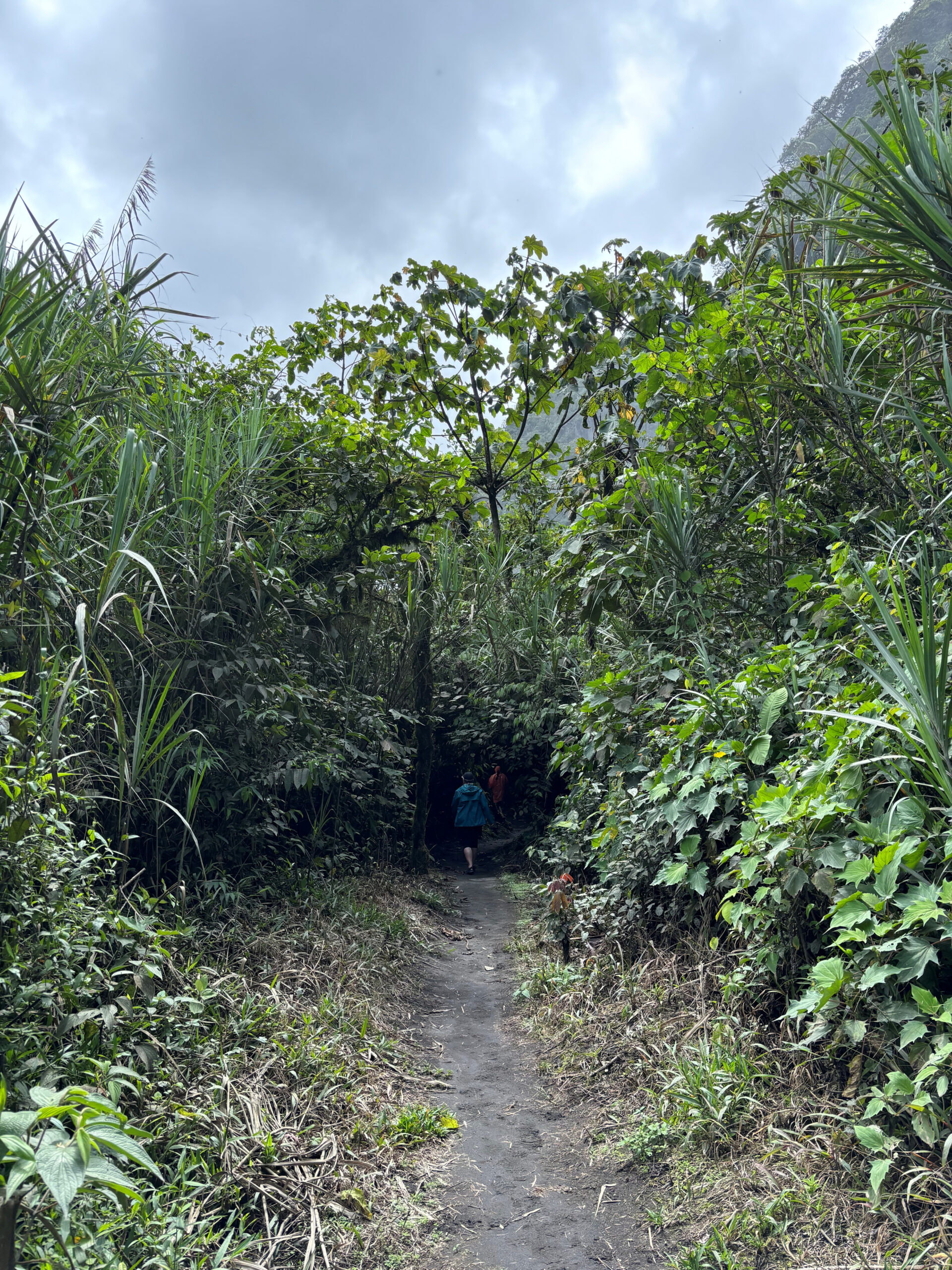
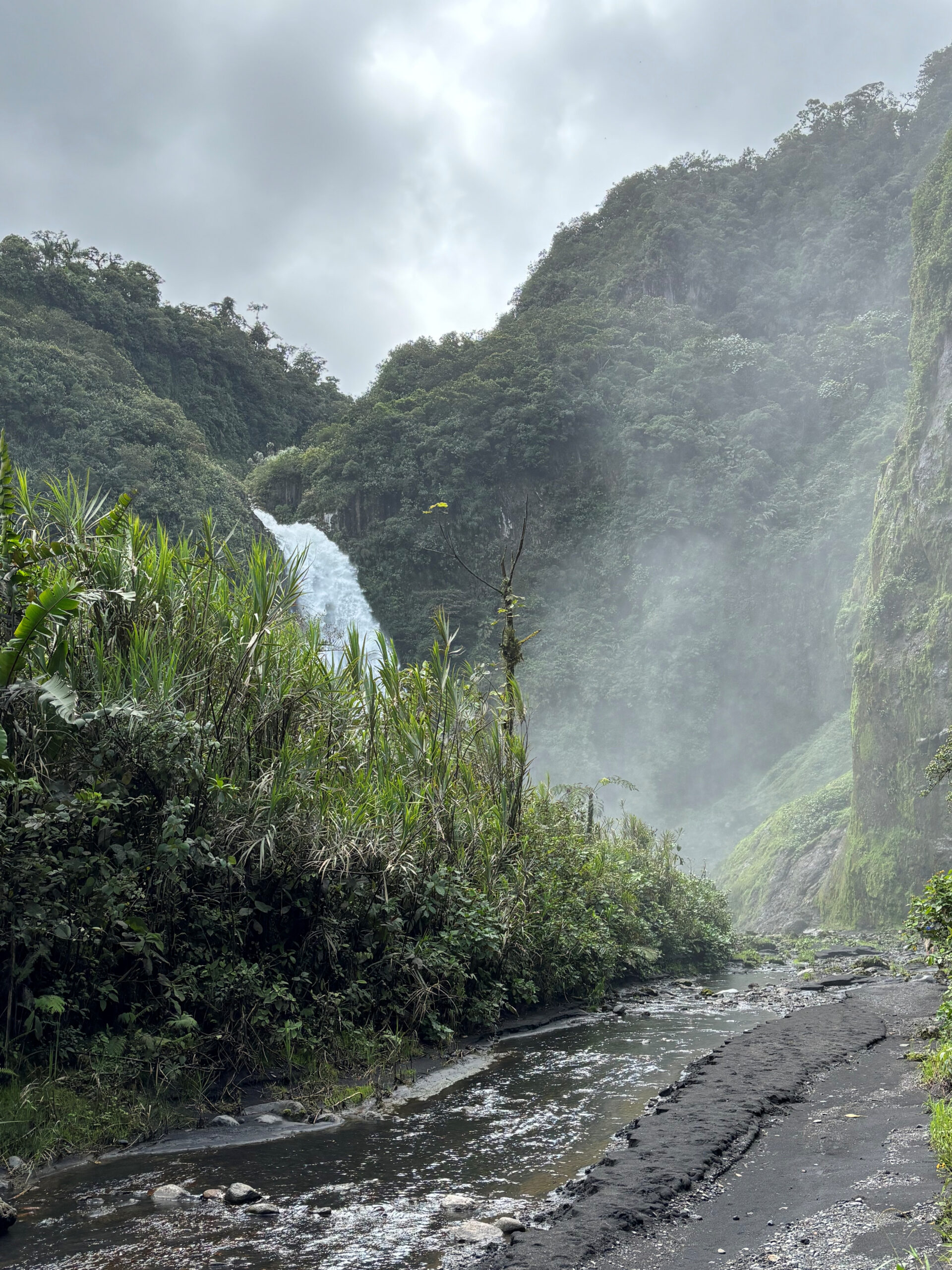
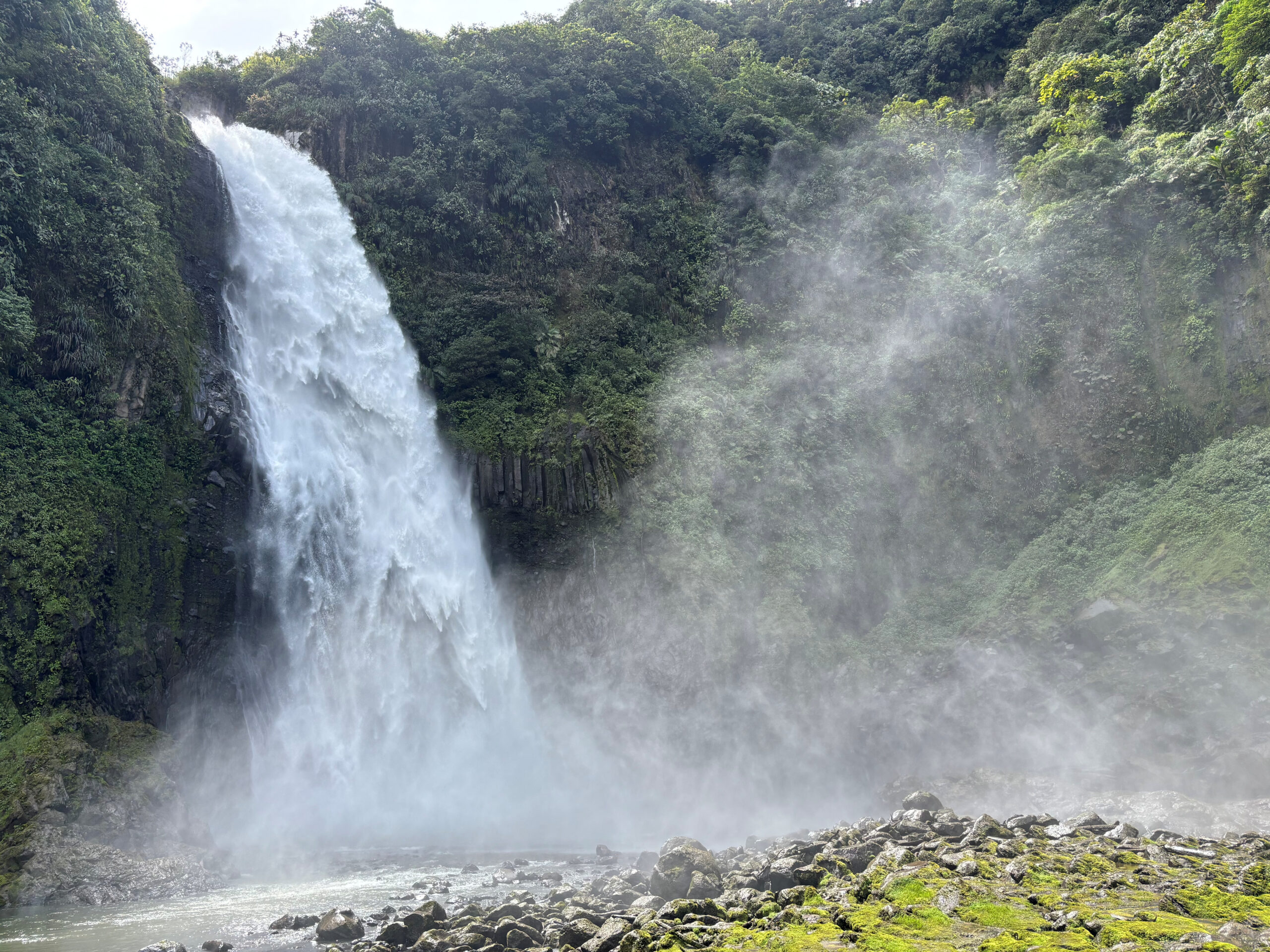
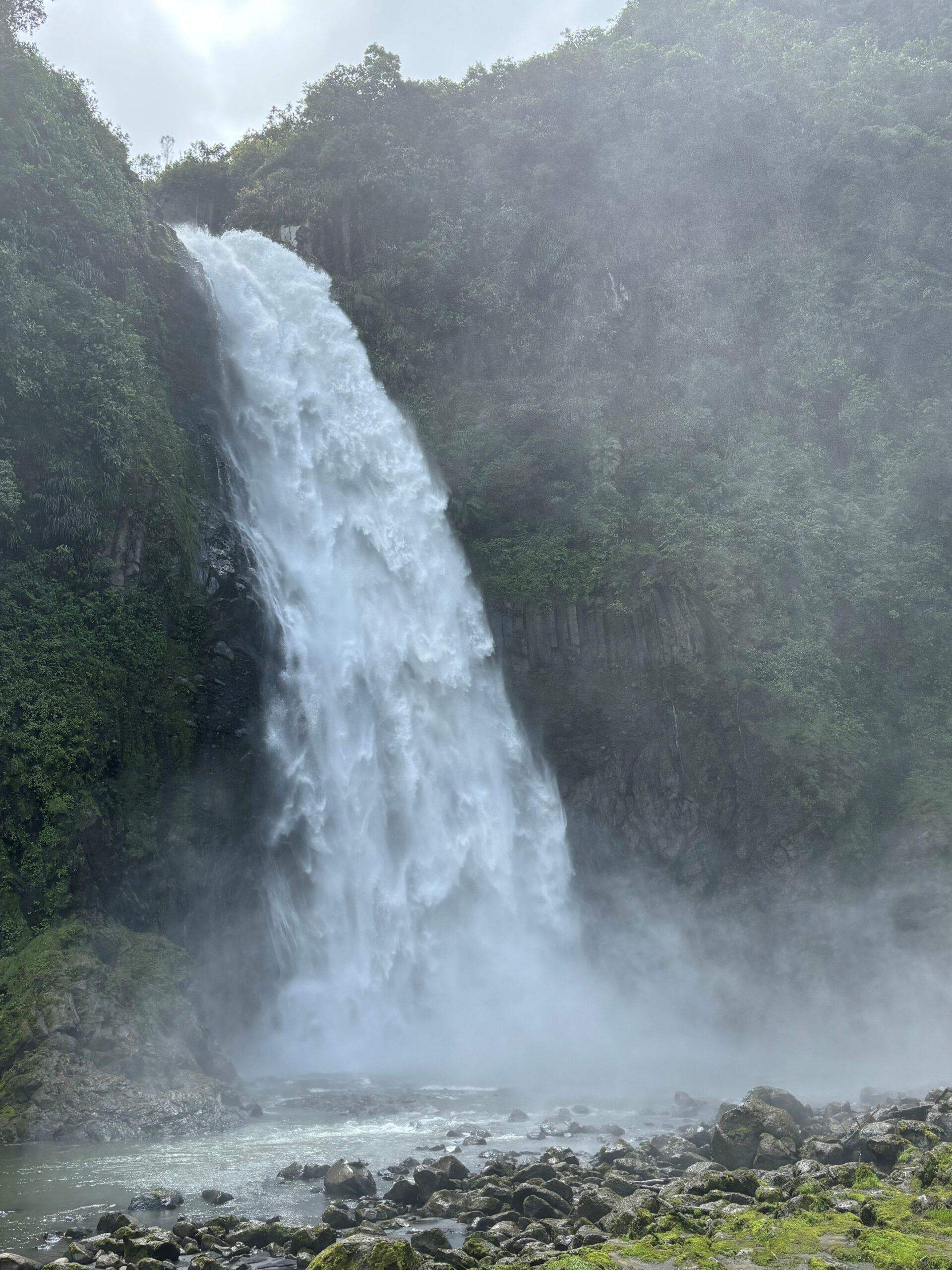
From here, we went to stay at a cabin with more spectacular views, this time of a live, active volcano, Volcán Reventador. It looks intimidating, but rest assured that we were taking pictures from a safe distance. We knew that the volcano was very predictable and made a small eruption about every fifteen minutes, and that we were at a good watching distance because our cabin was once used as a volcanology station that was named for our host’s father, who was a highly esteemed volcanologist.
We arrived at dusk and everyone found a spot for setting up their tripods and cameras (I even ended up borrowing a tripod for my phone, and was pleasantly surprised with some of the clean lines I got of the mountain at night with my iPhone 15 Plus), and settled in for a long night of anticipating eruptions, shooting photos, drinking wine, and simply enjoying the shared experience as the volcanic ash fell like snow around us and the eruptions crackled in the distance.
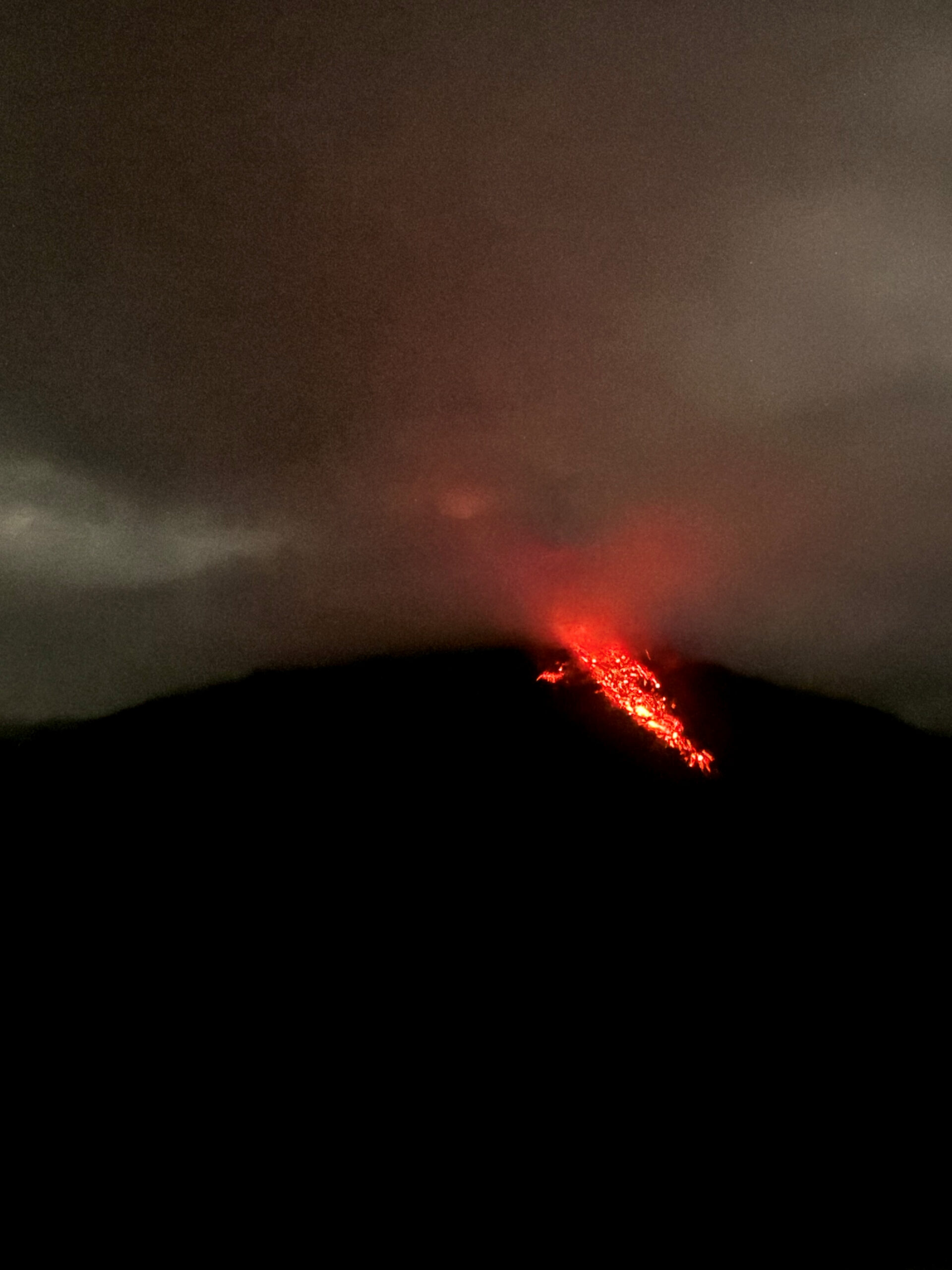
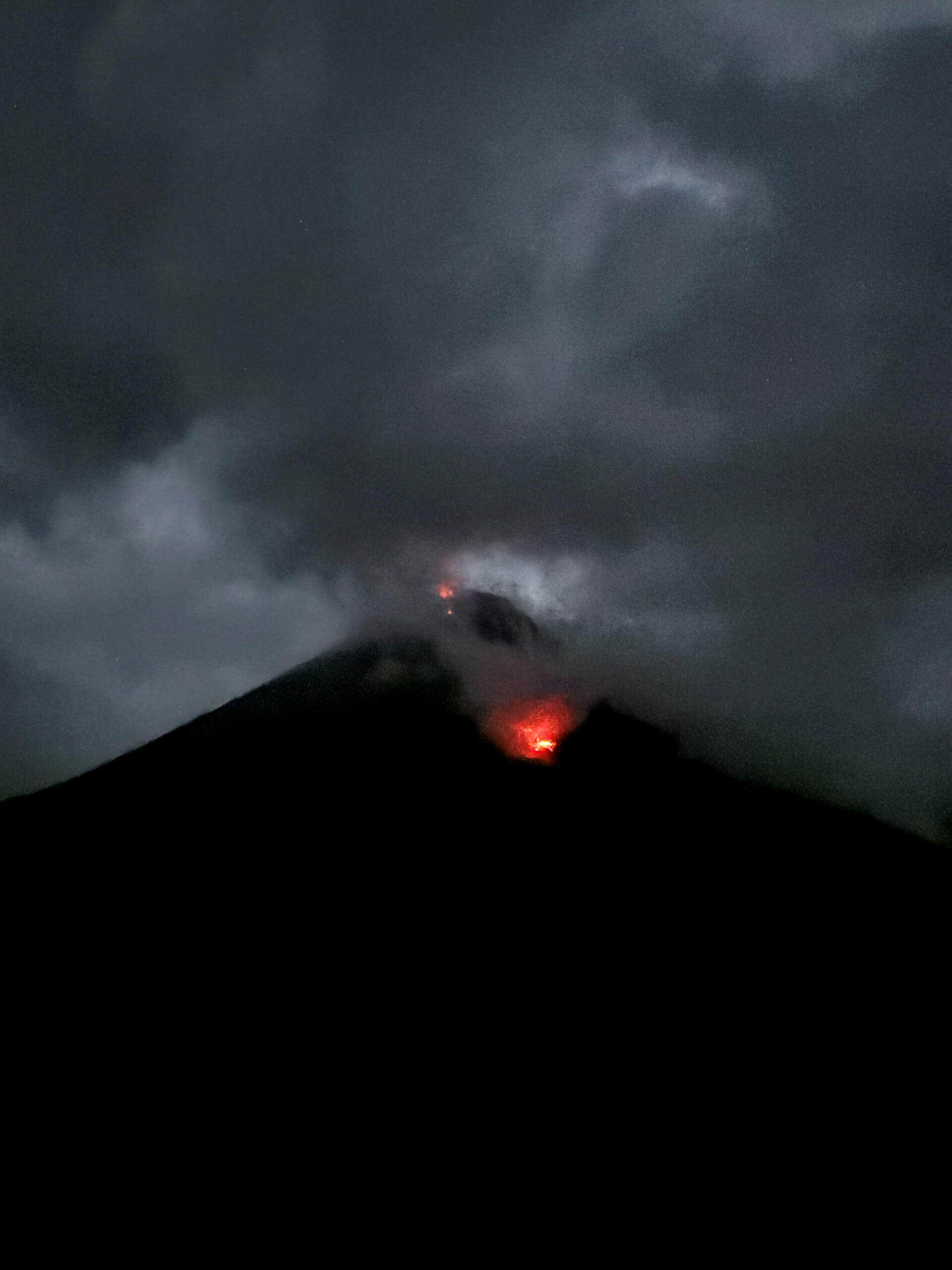
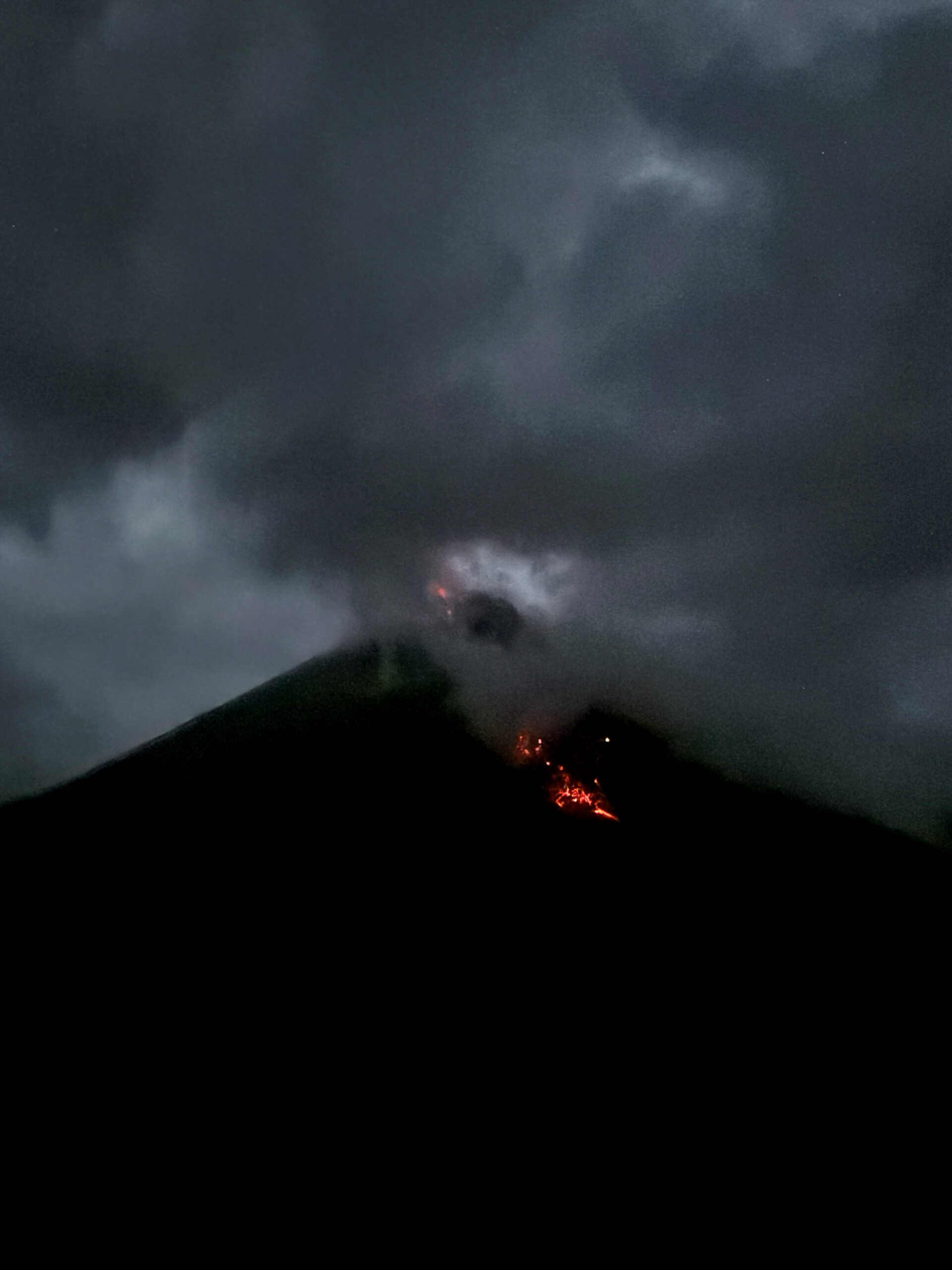
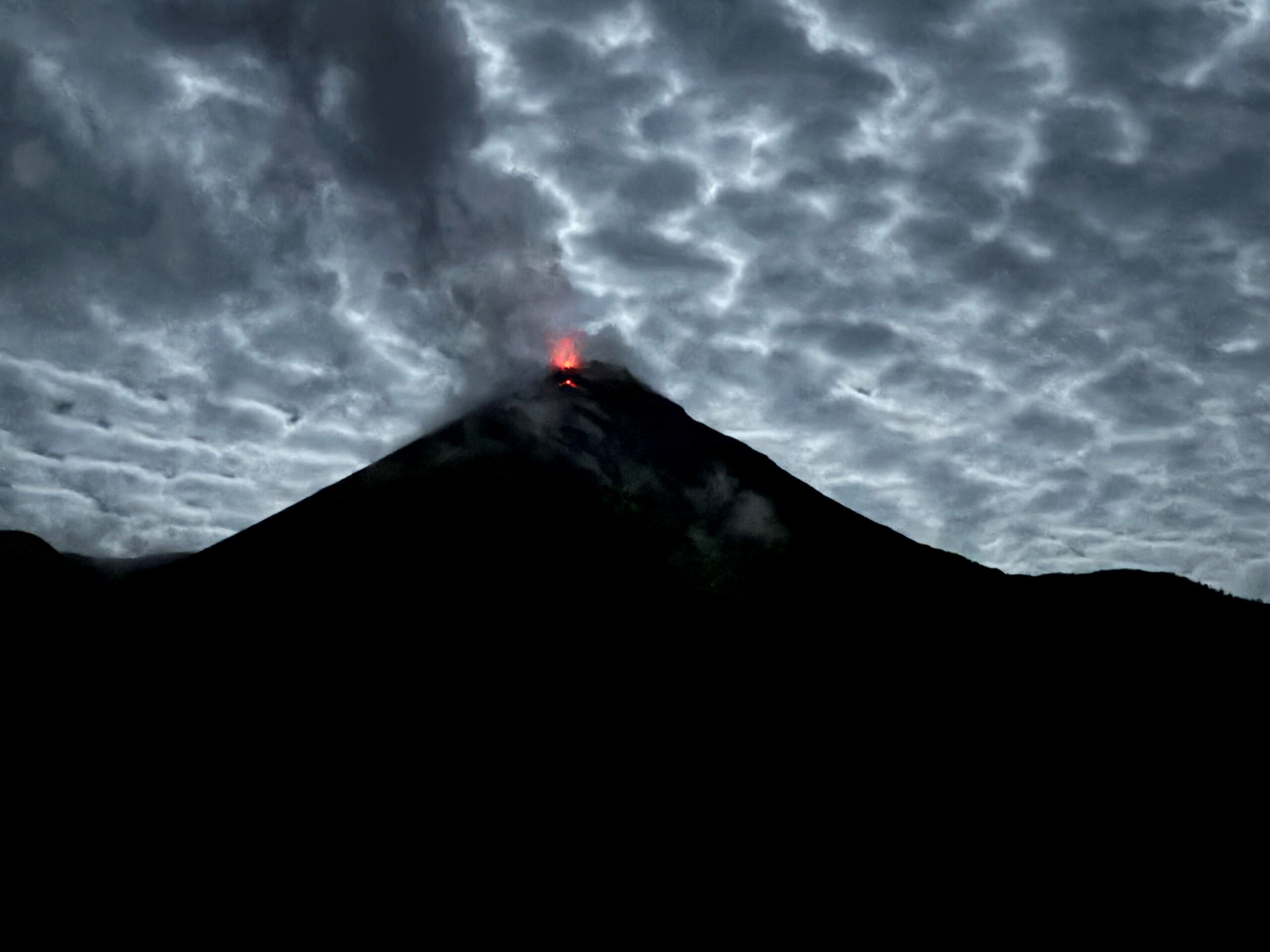
We woke up to the most gorgeous, foggy morning at the cabin.
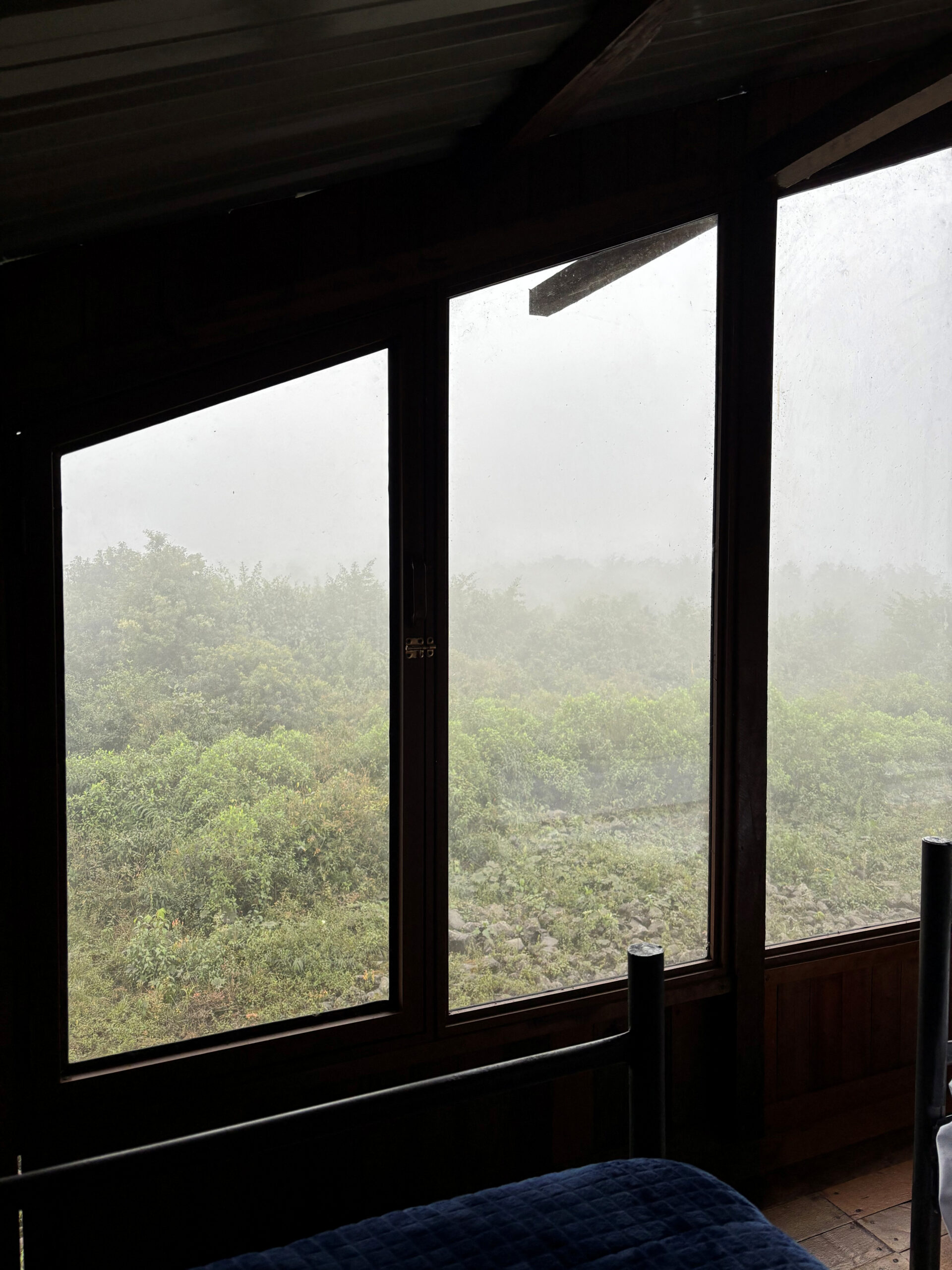
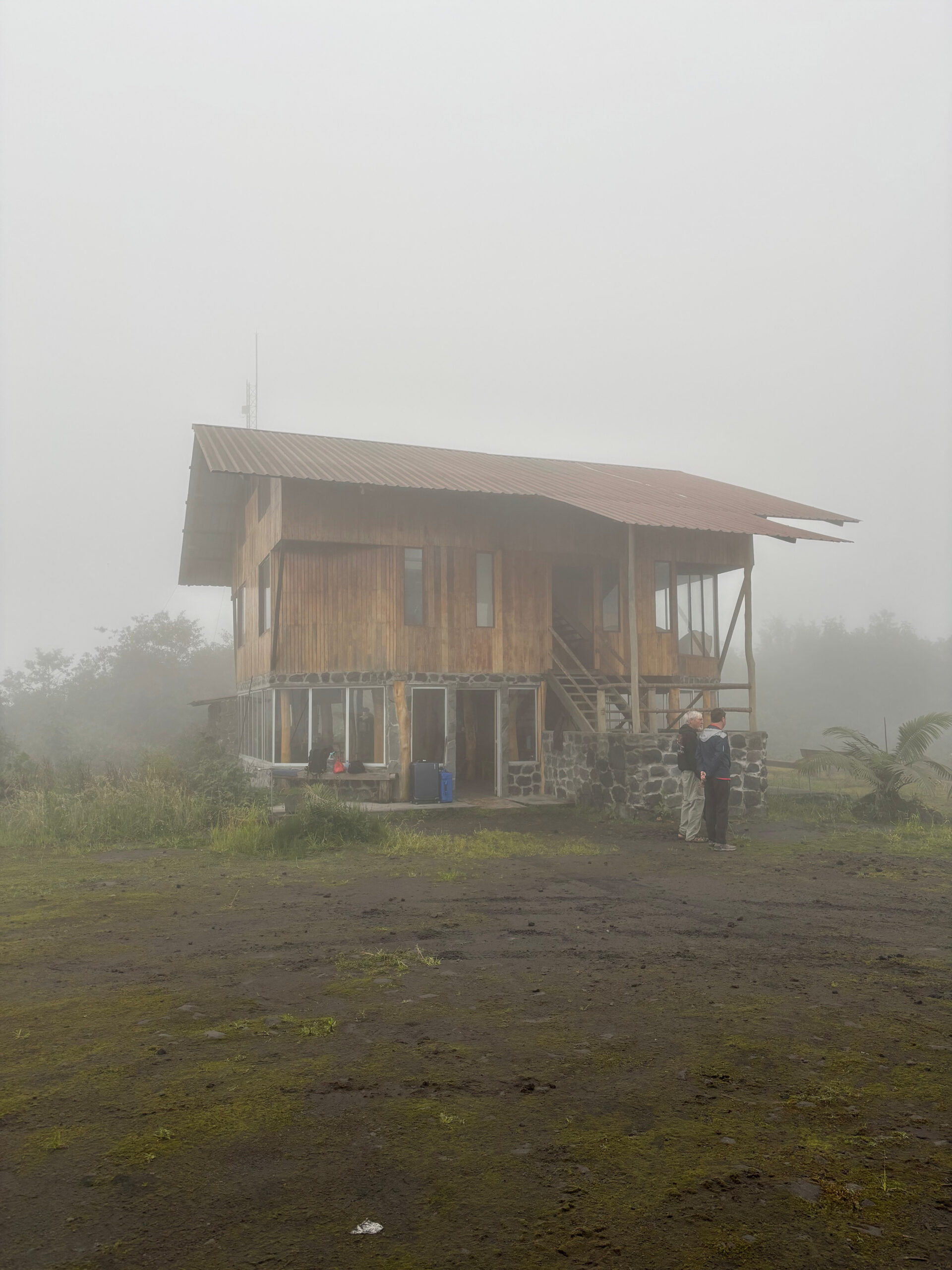
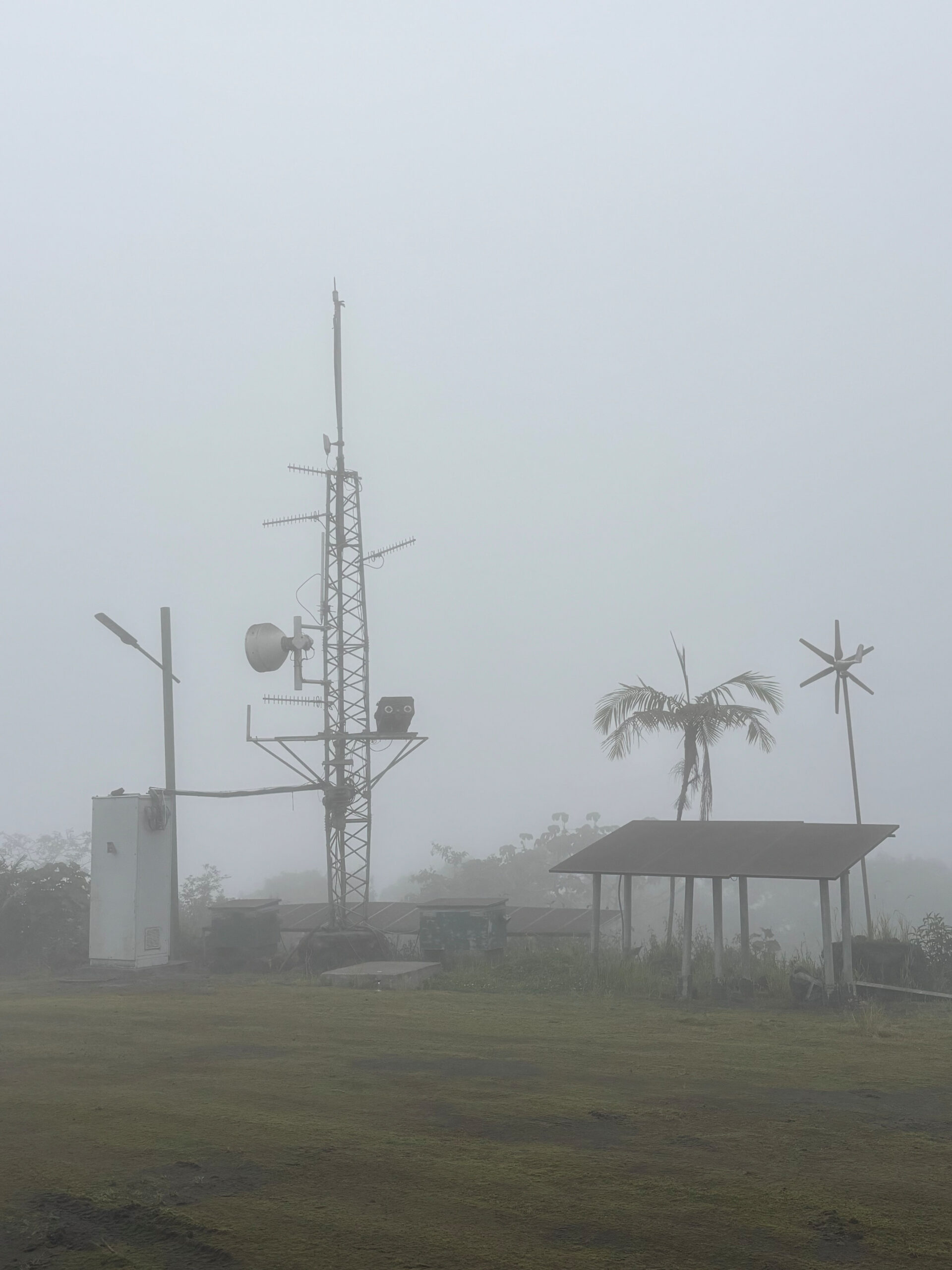
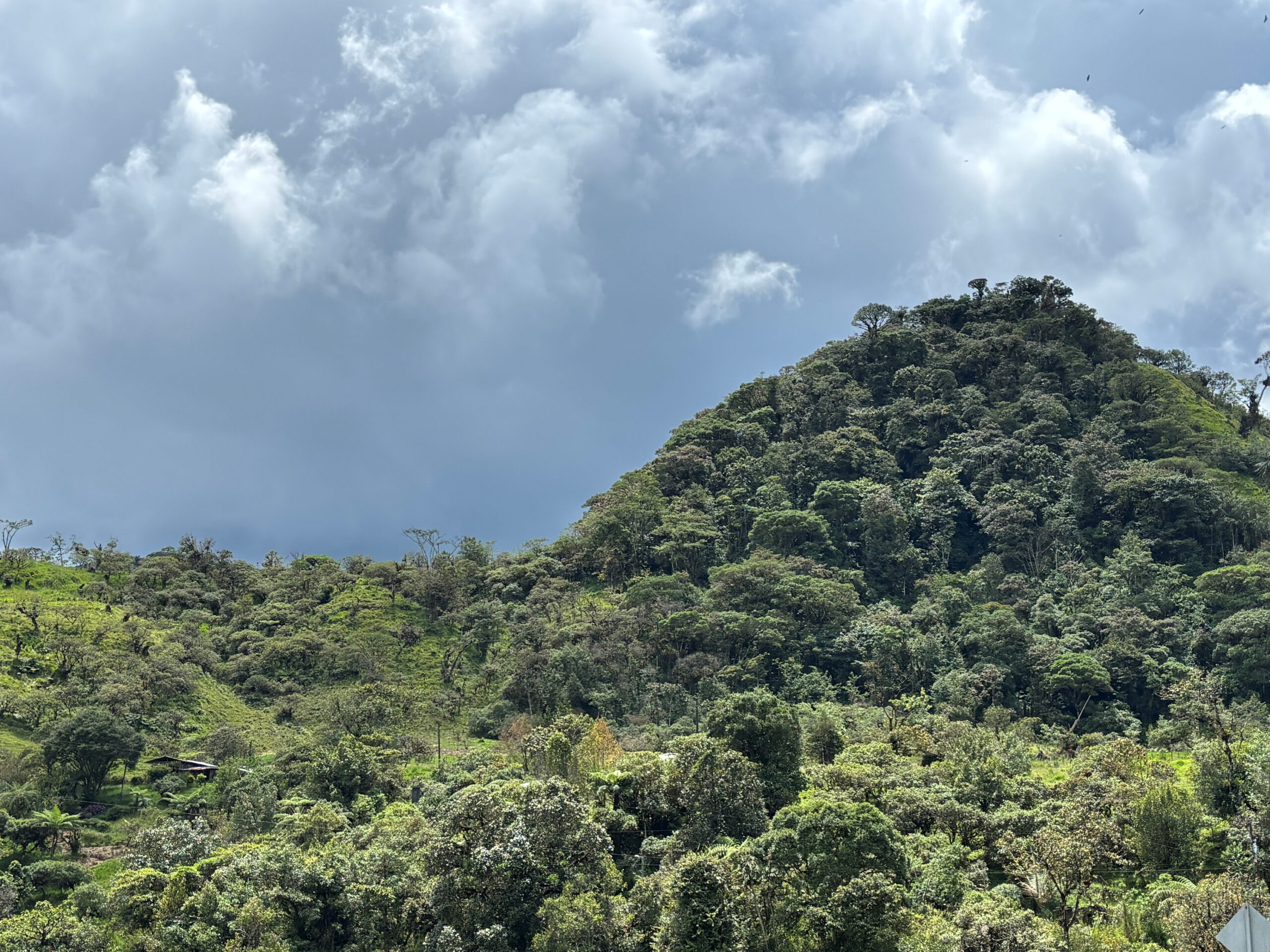
Then, we were on the road again. We spent lots of time on the bus, but it gave us a chance to see many beautiful views of the country. This is just one of many photos I got and is very representative of the color palette of the mainland of Ecuador.
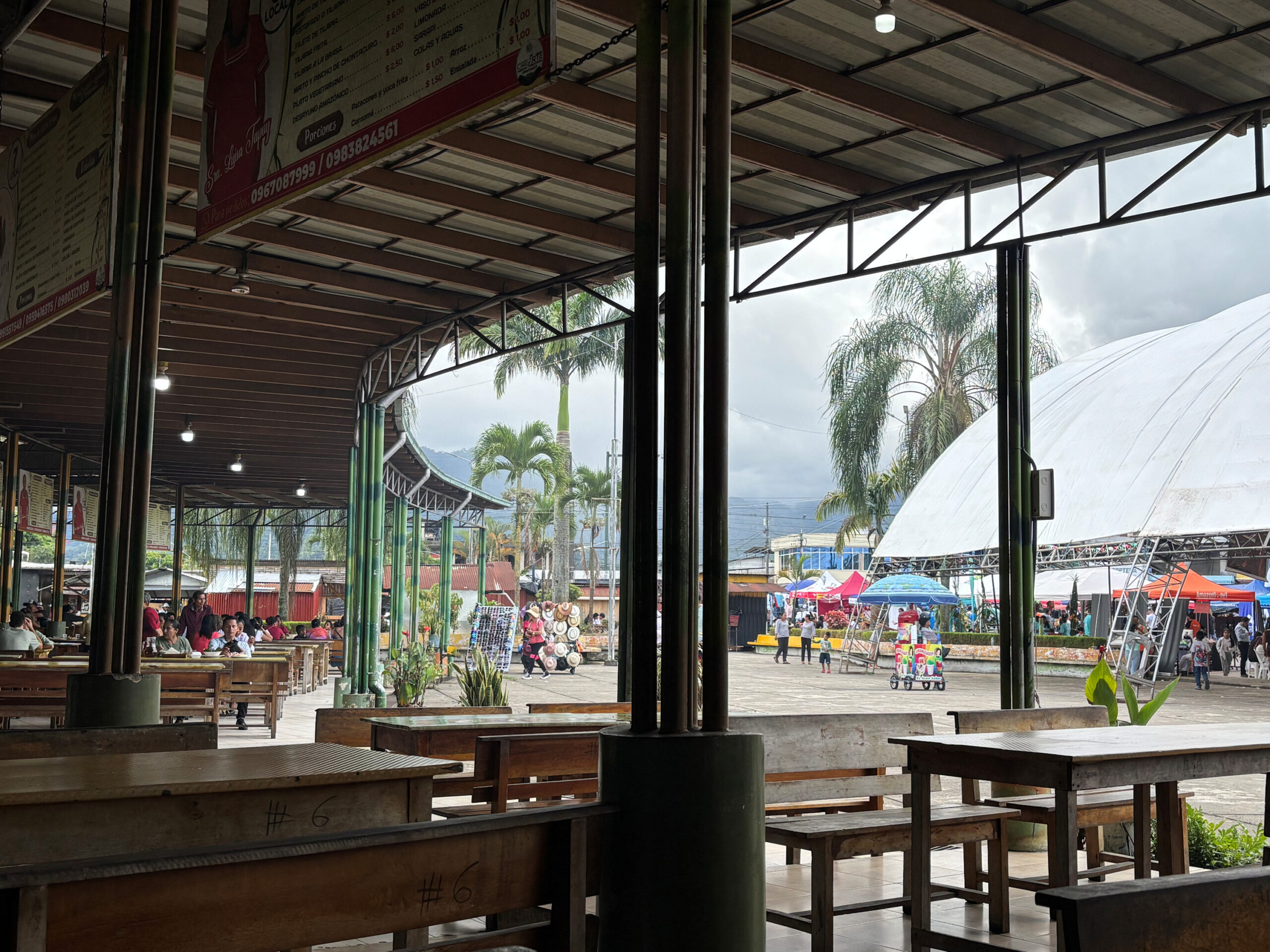
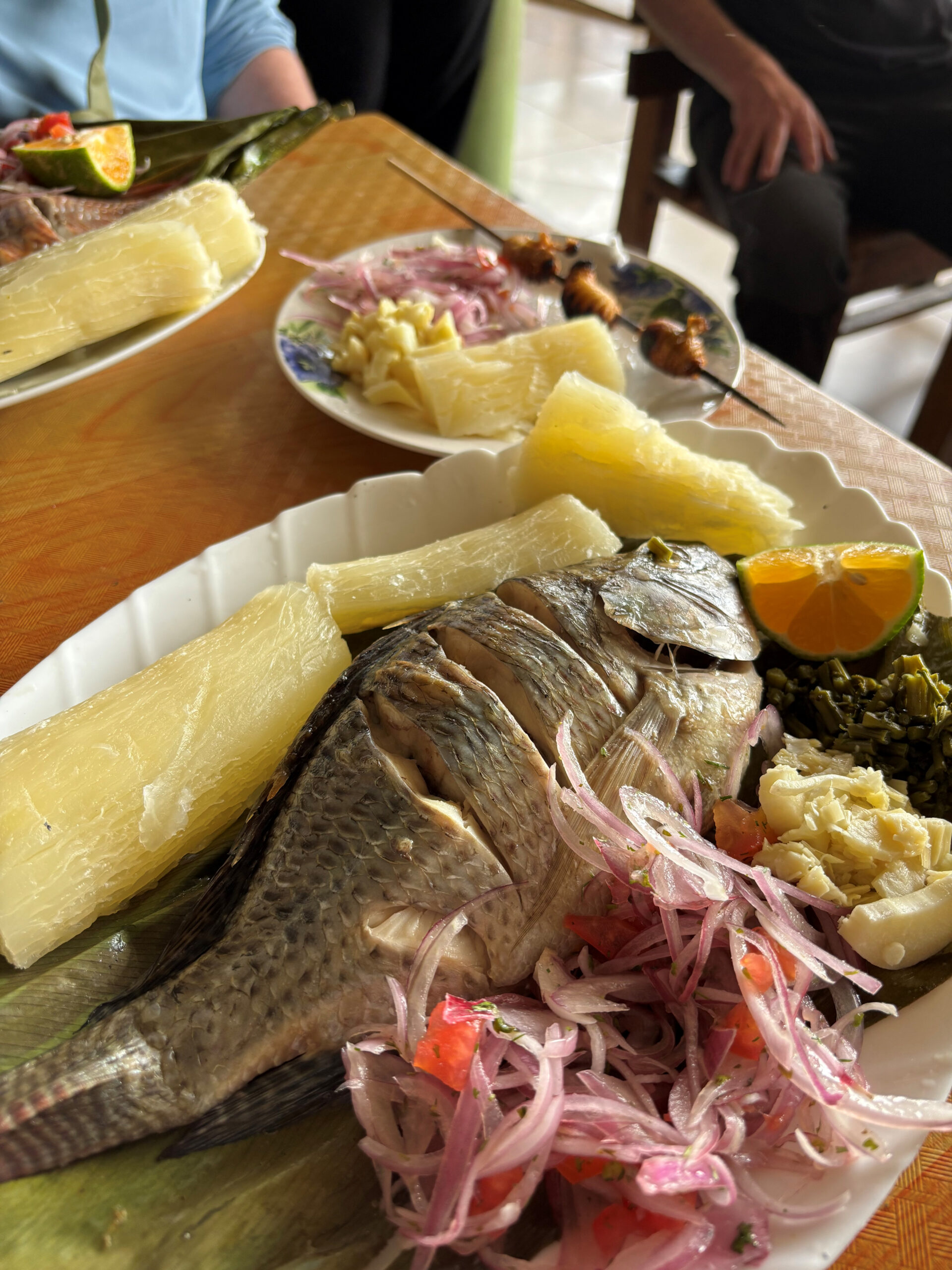
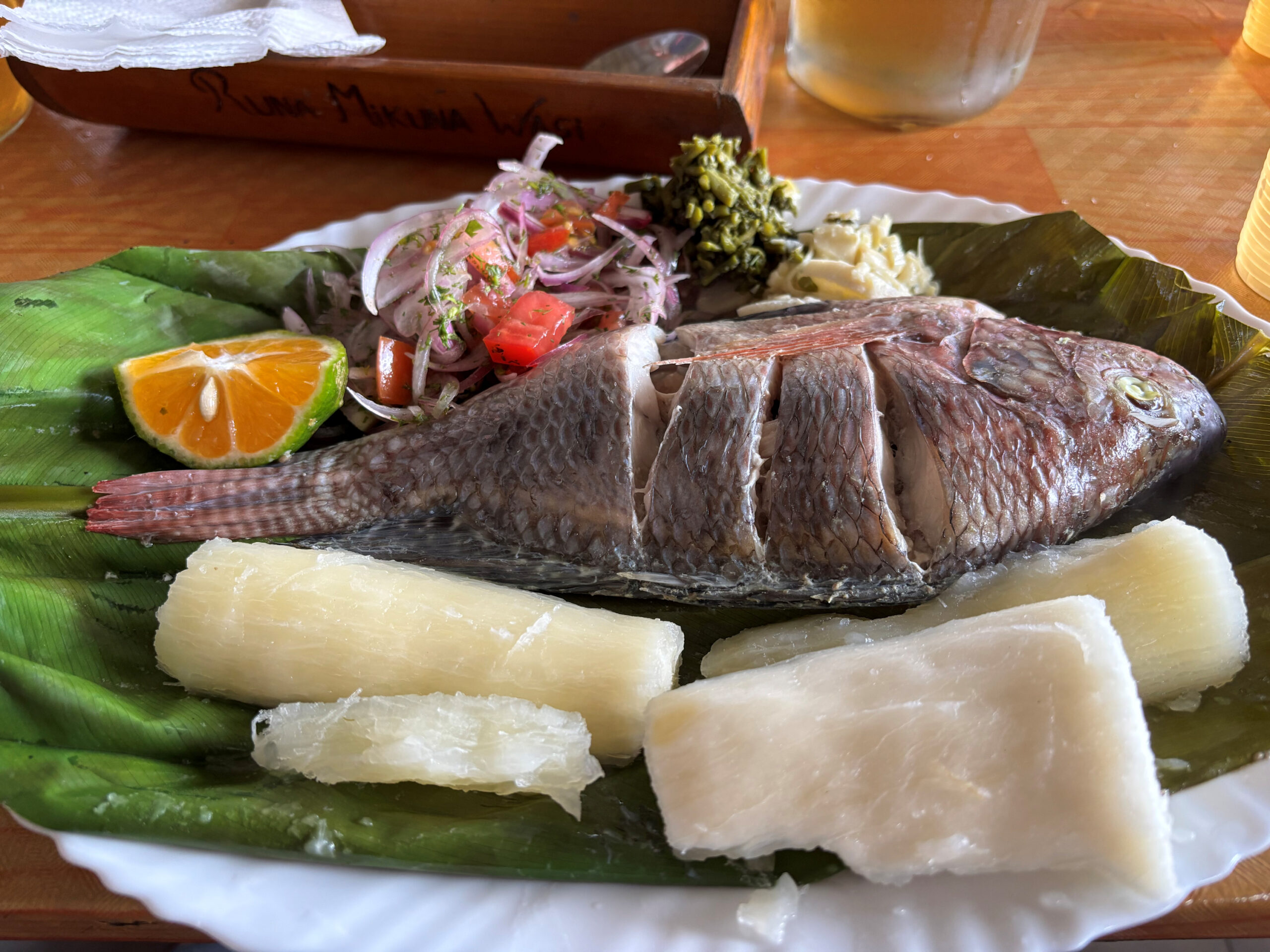
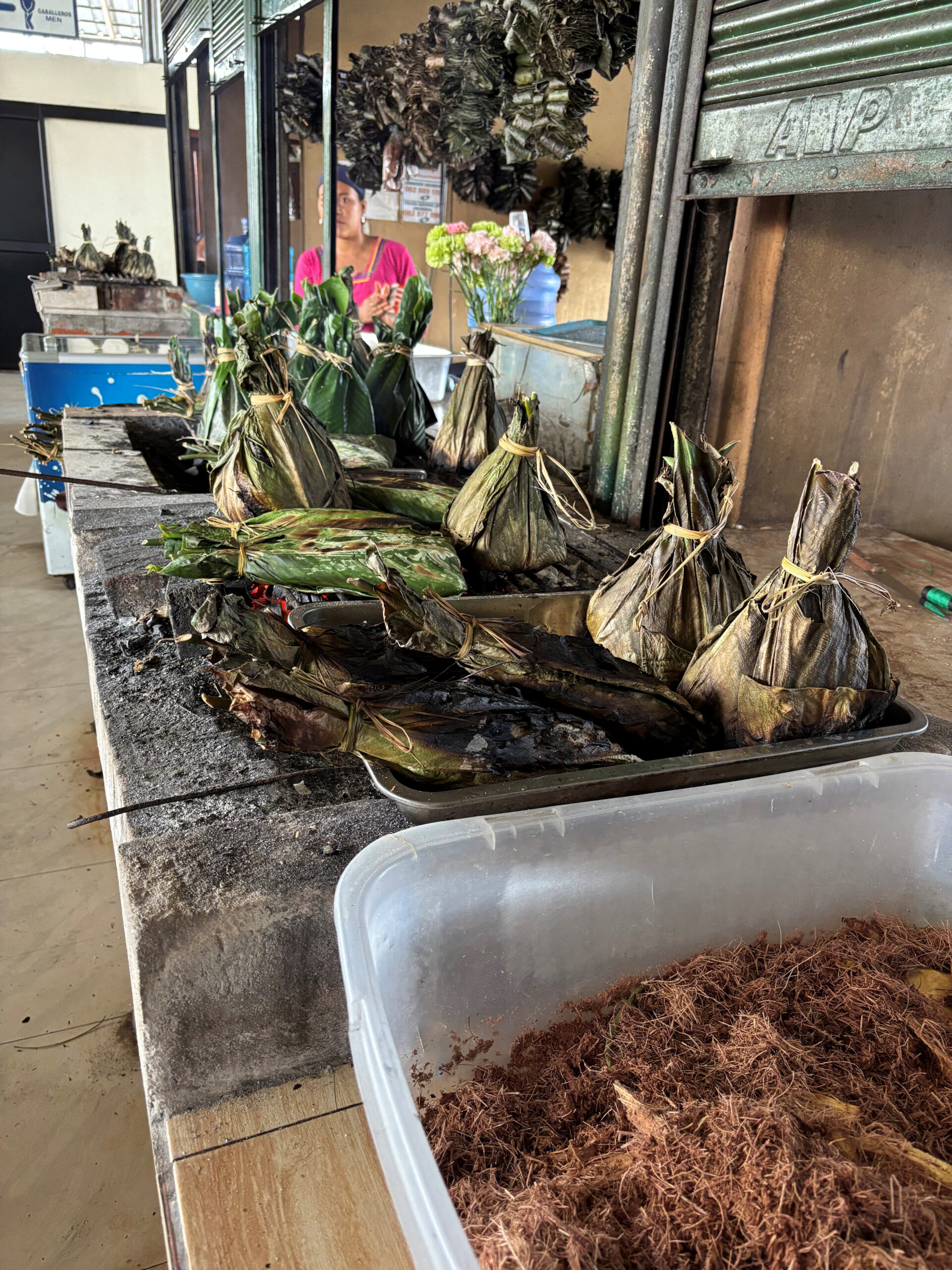
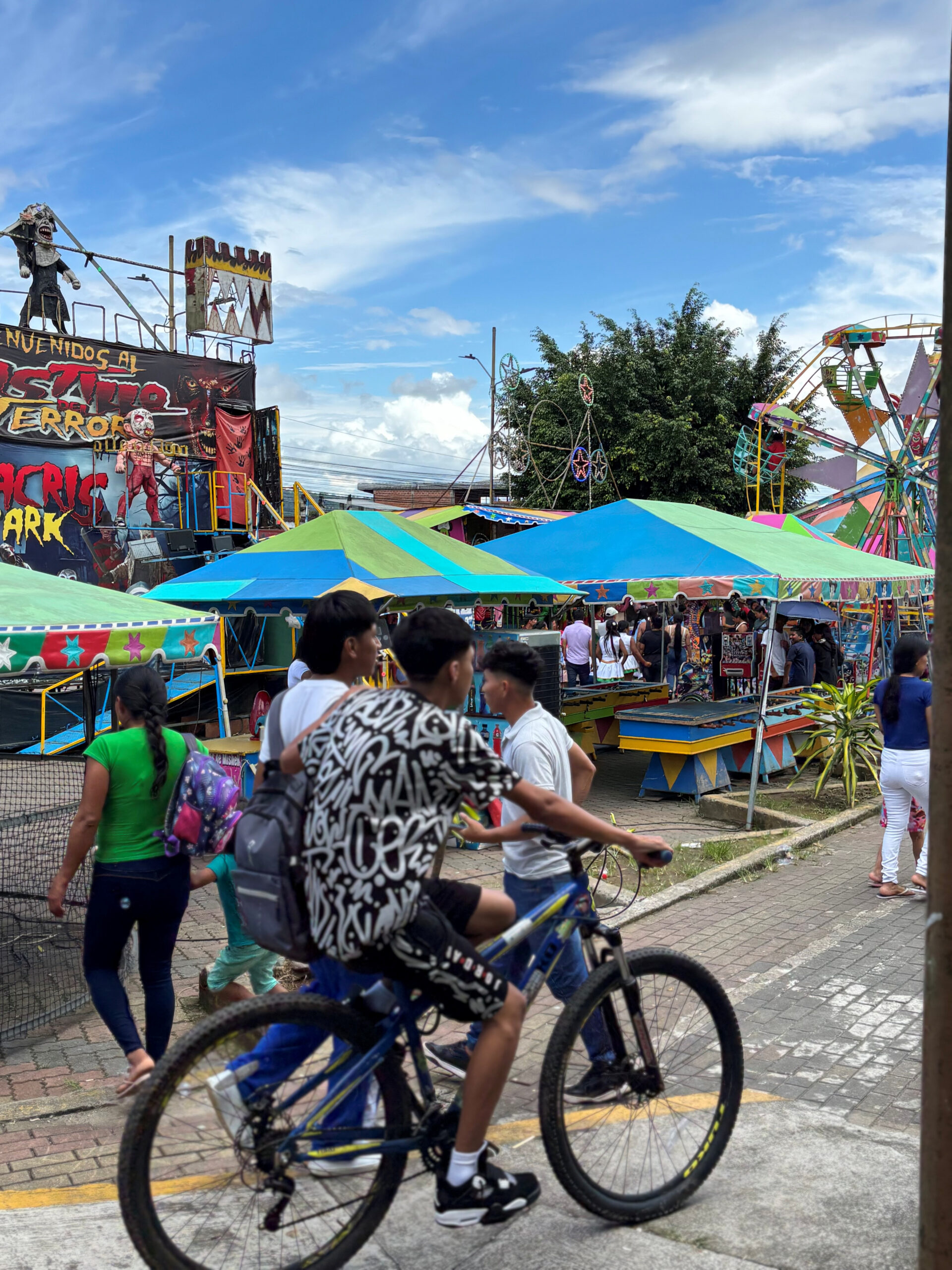
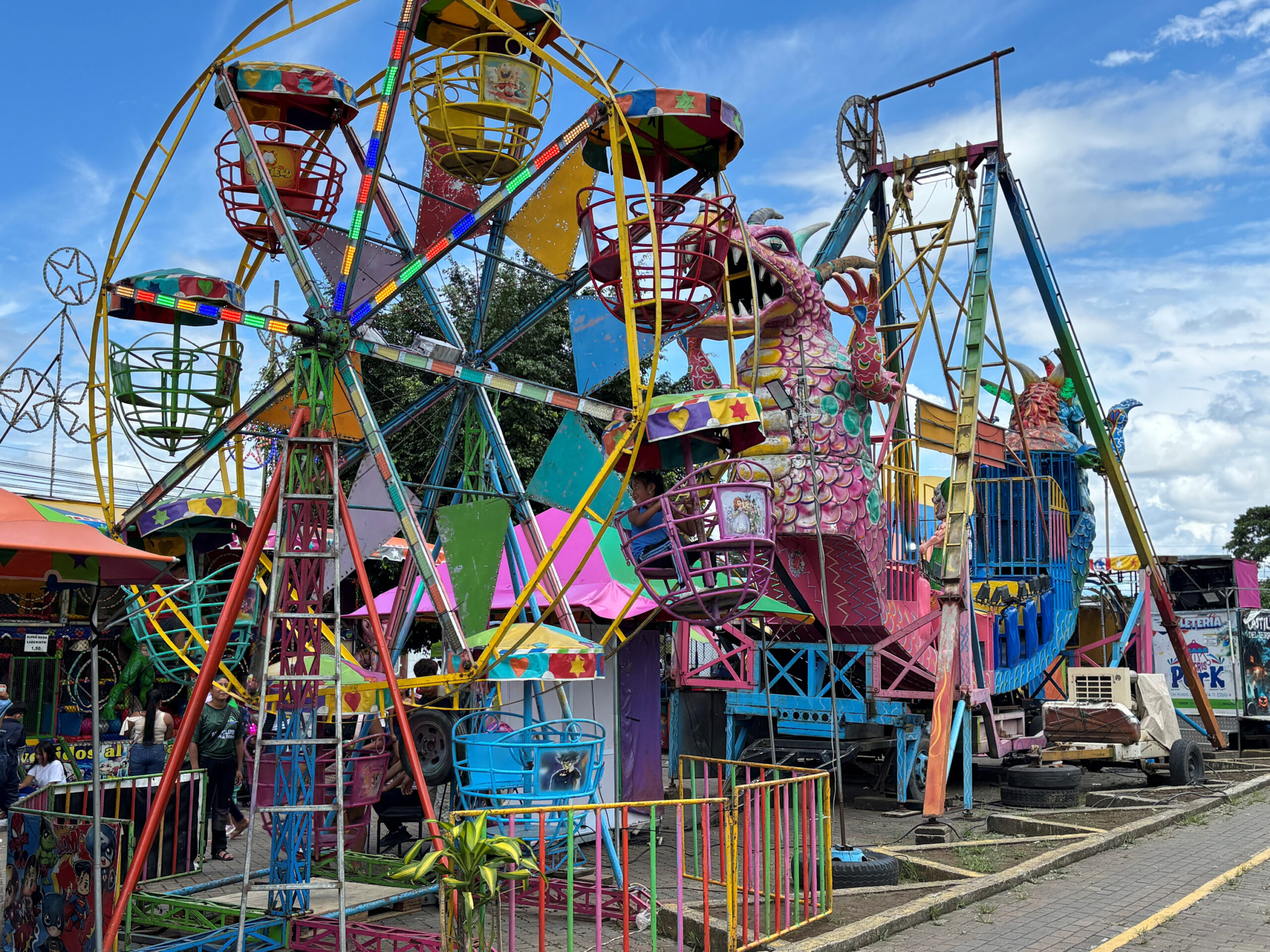
Our next stop was at a little fair in the small town of Archidona, where we sat at a pavilion and enjoyed a lunch of leaf wrapped and grilled fish, and for the more adventurous eaters, they also had roasted grubs on a stick… I’m told they’re nutty with a buttery center.
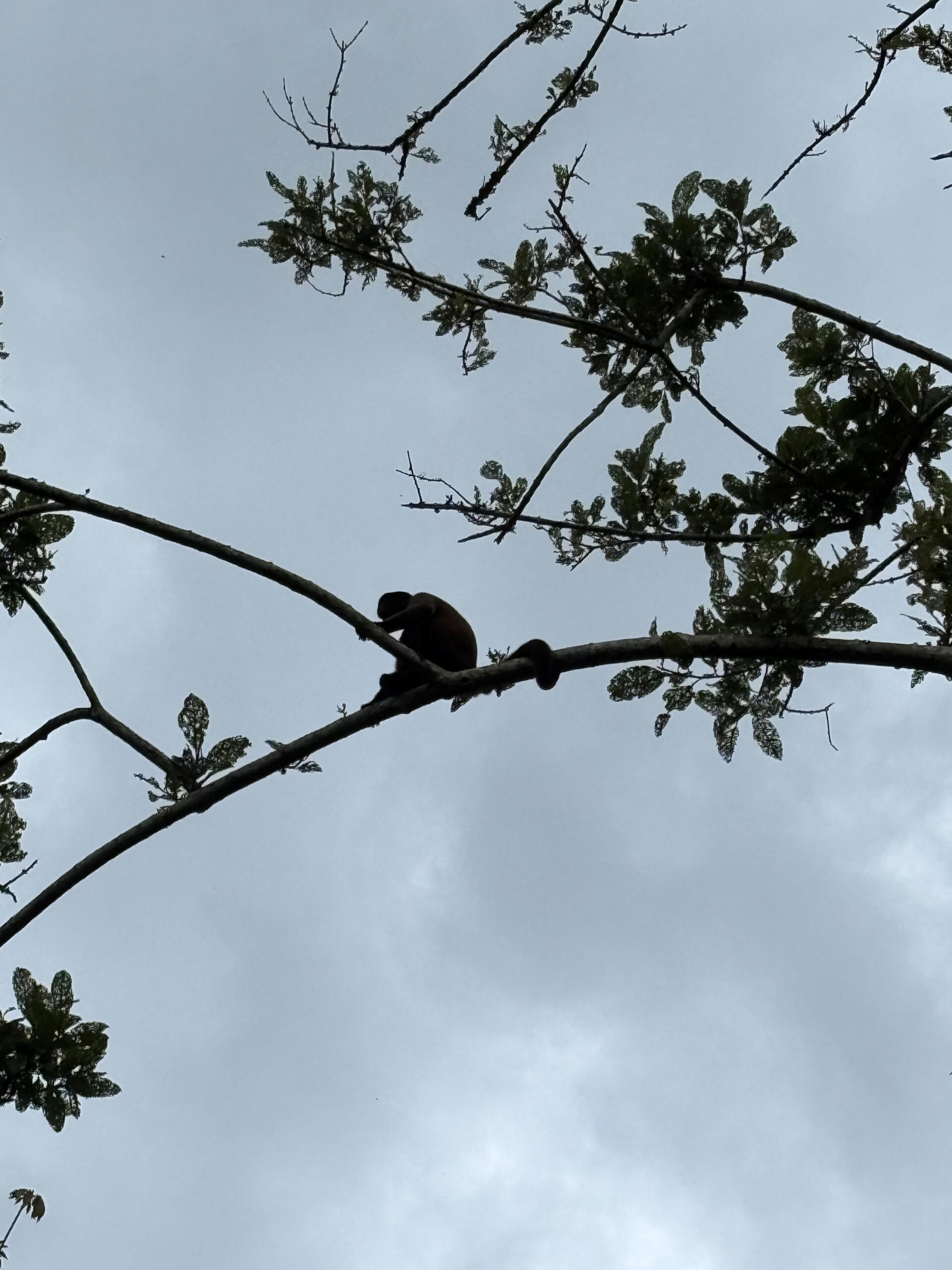
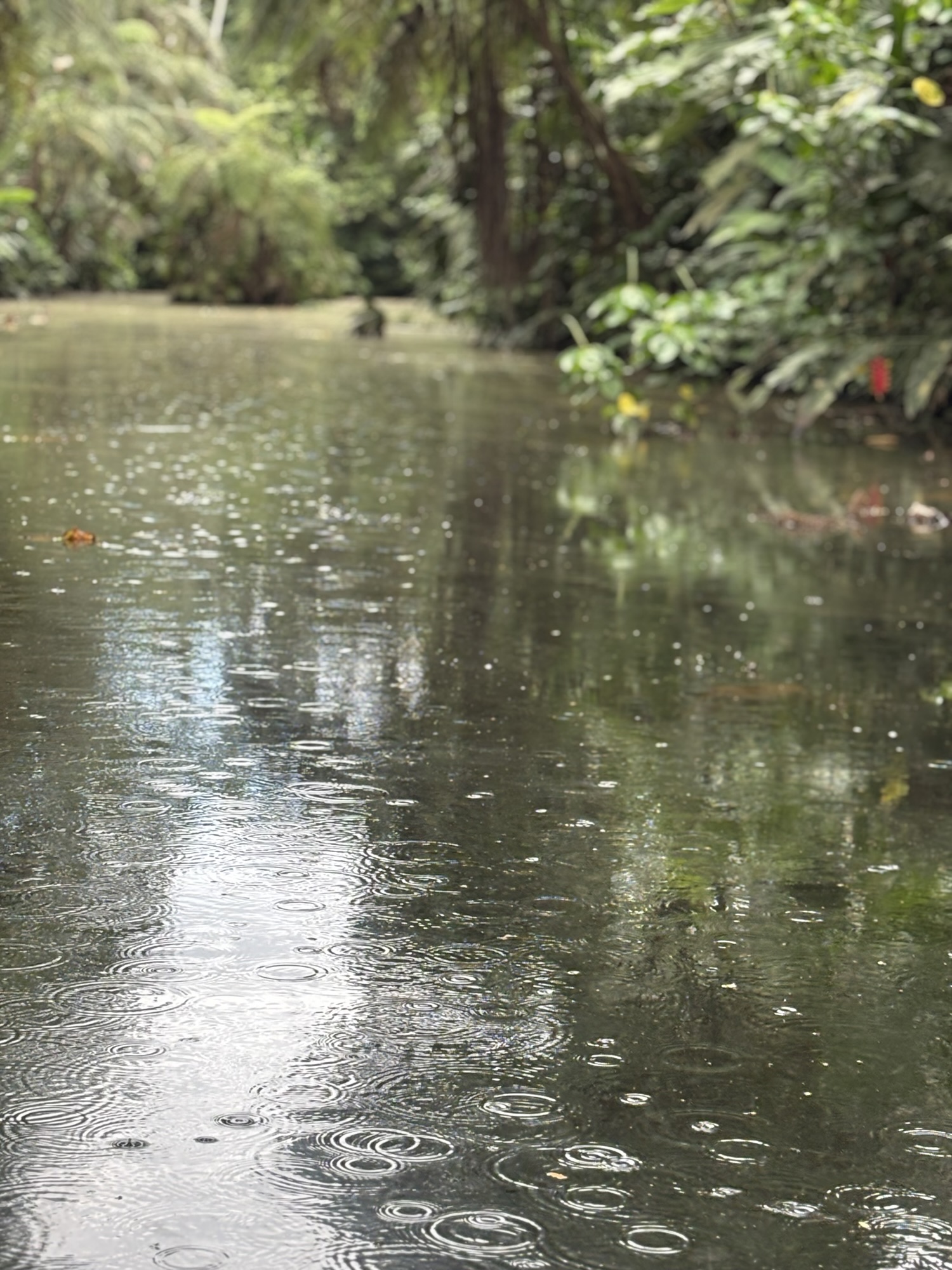
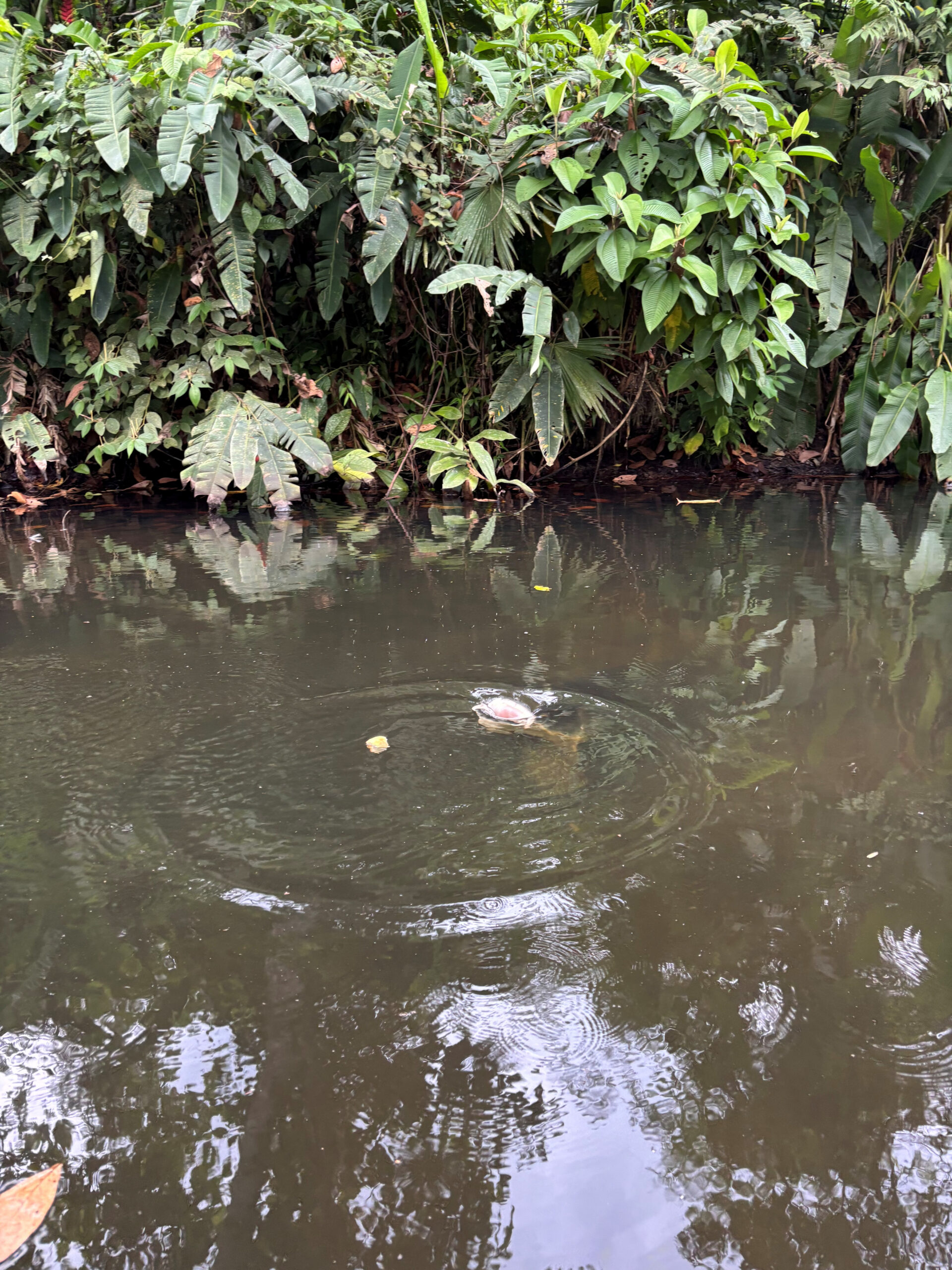
The next few days were spent in the rainforest, with lots of boat rides (which I love!!). These pics are from my canoe ride down the Misahualli river in the Ecuadorian rainforest. With plant life giving prehistoric era, beautiful cornflower blue-gray skies, a light rainfall, and monkeys climbing the trees all around us, it was the most lush, wondrous place to be. As my group and I drifted lazily down the river, we tossed pieces of bread to the massive Paiche fishes below us and the slow pace provided ample time to simply marvel at this sanctuary that was teeming with life.
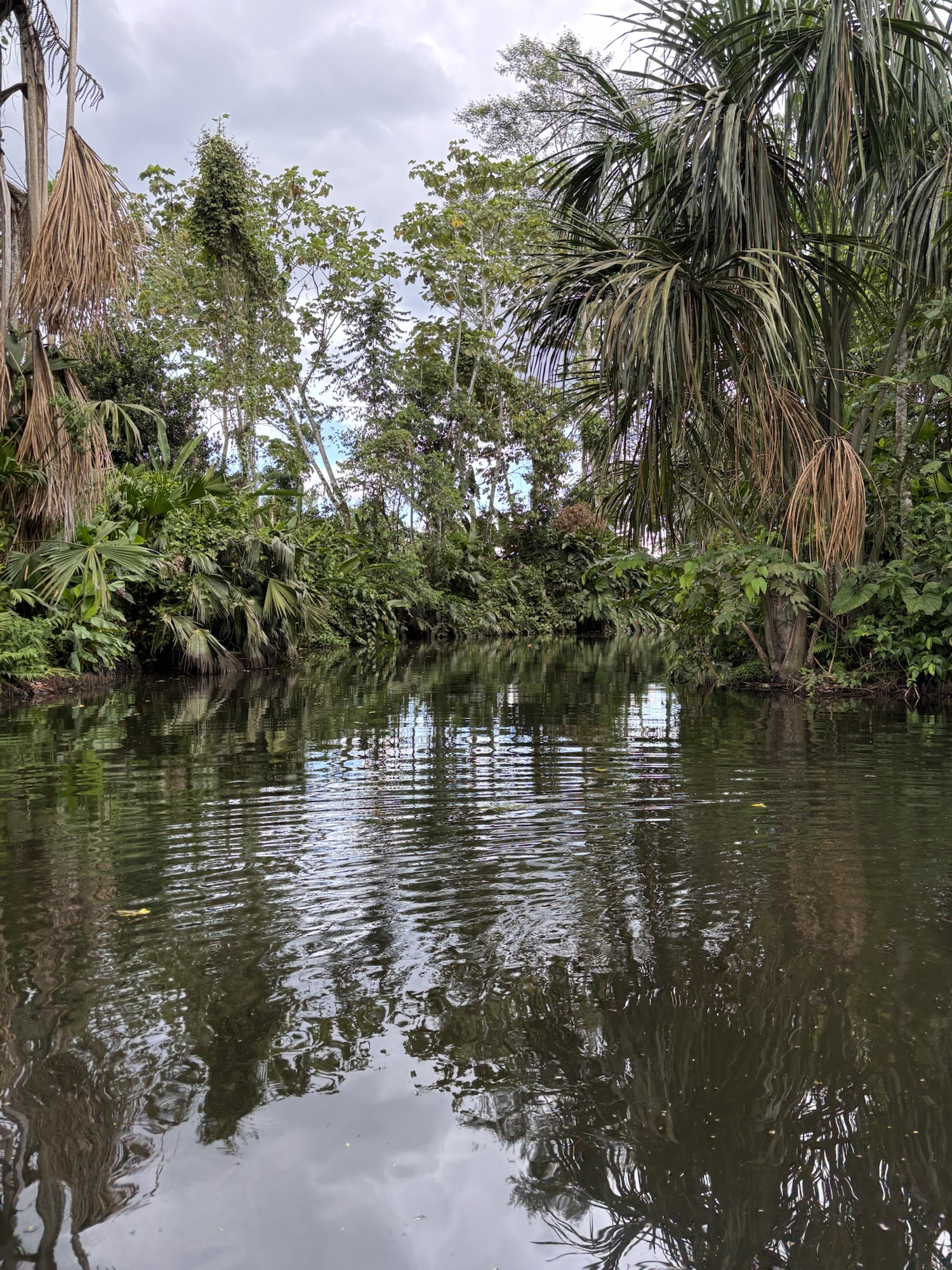
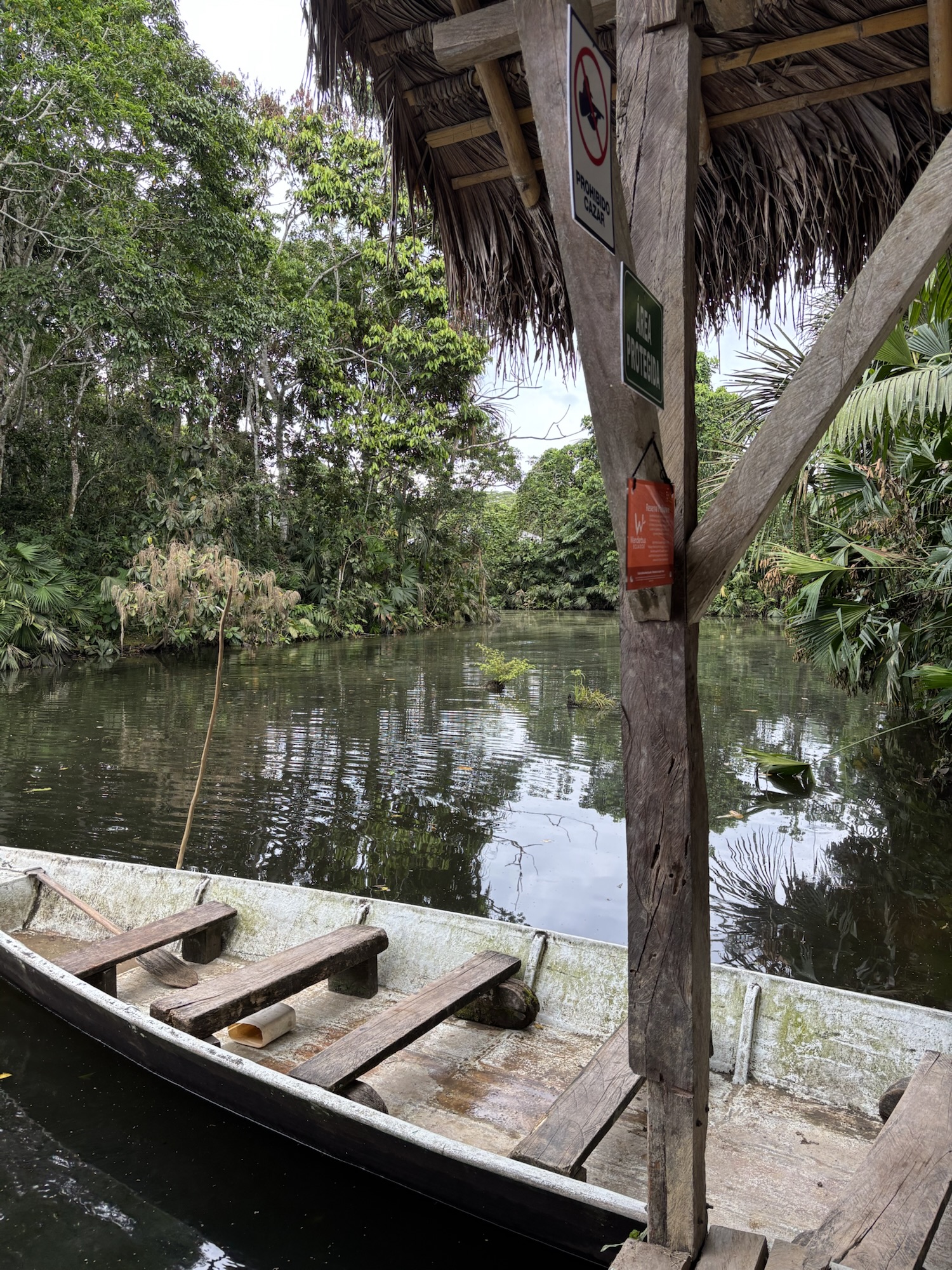
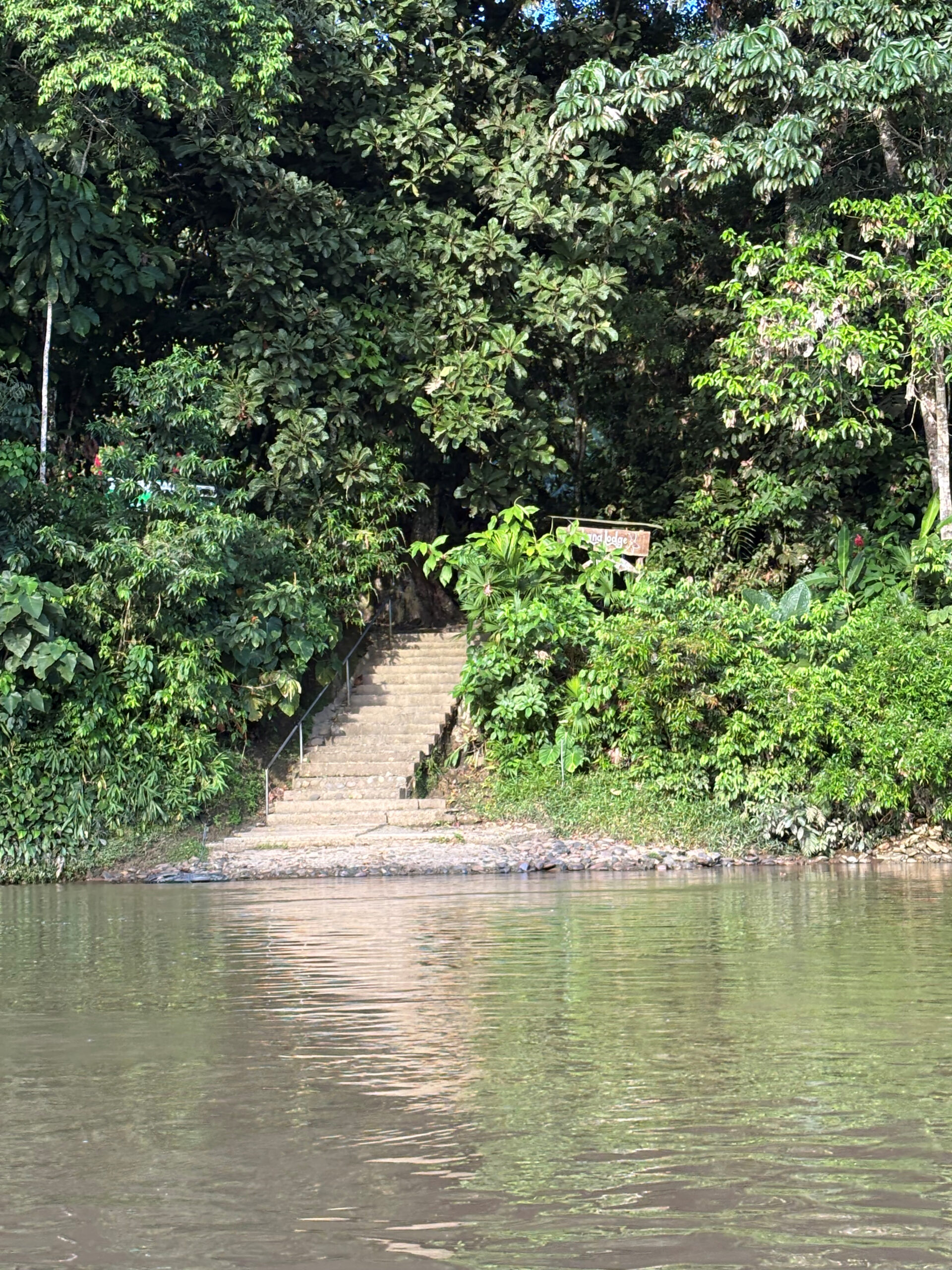
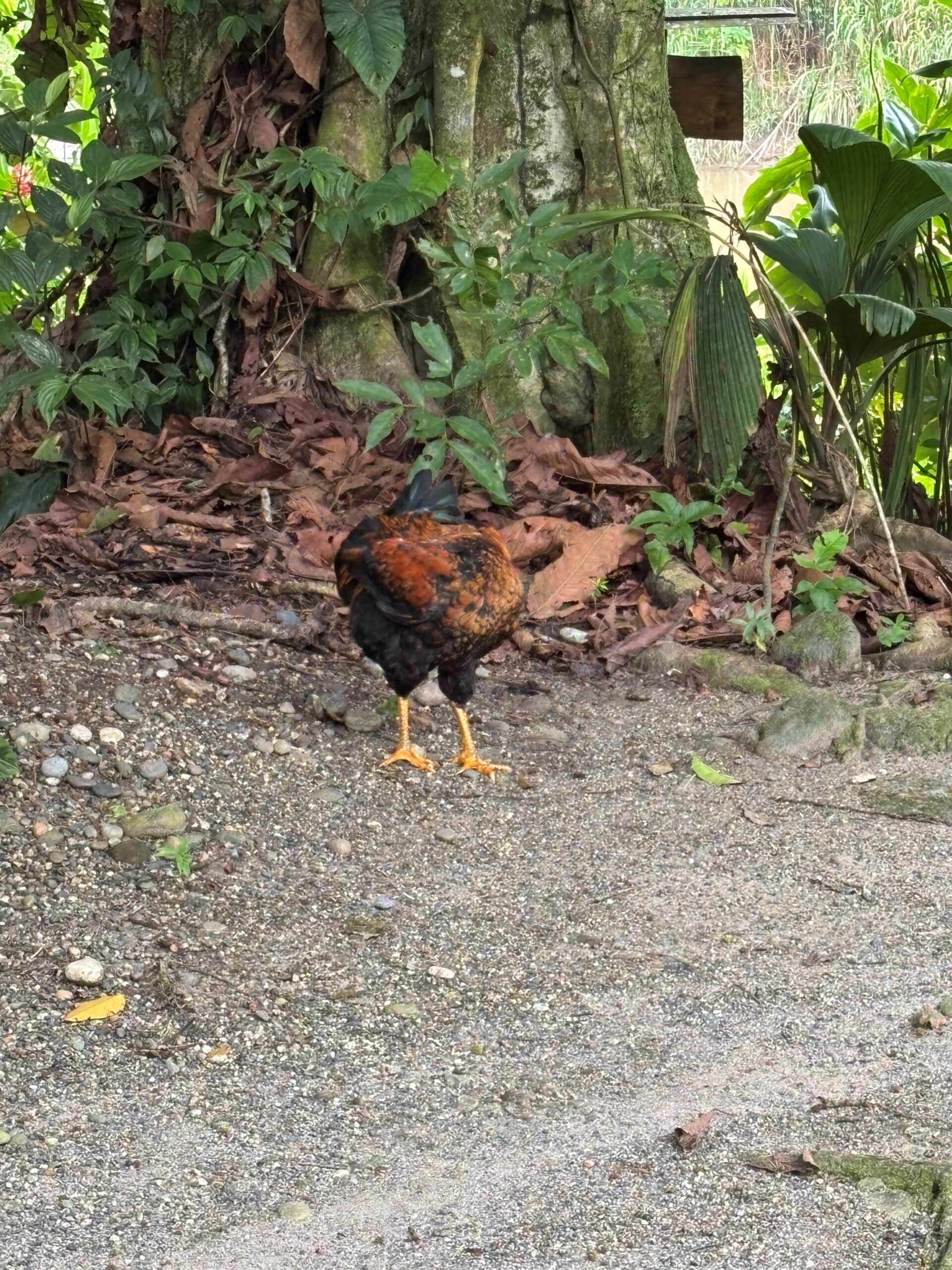
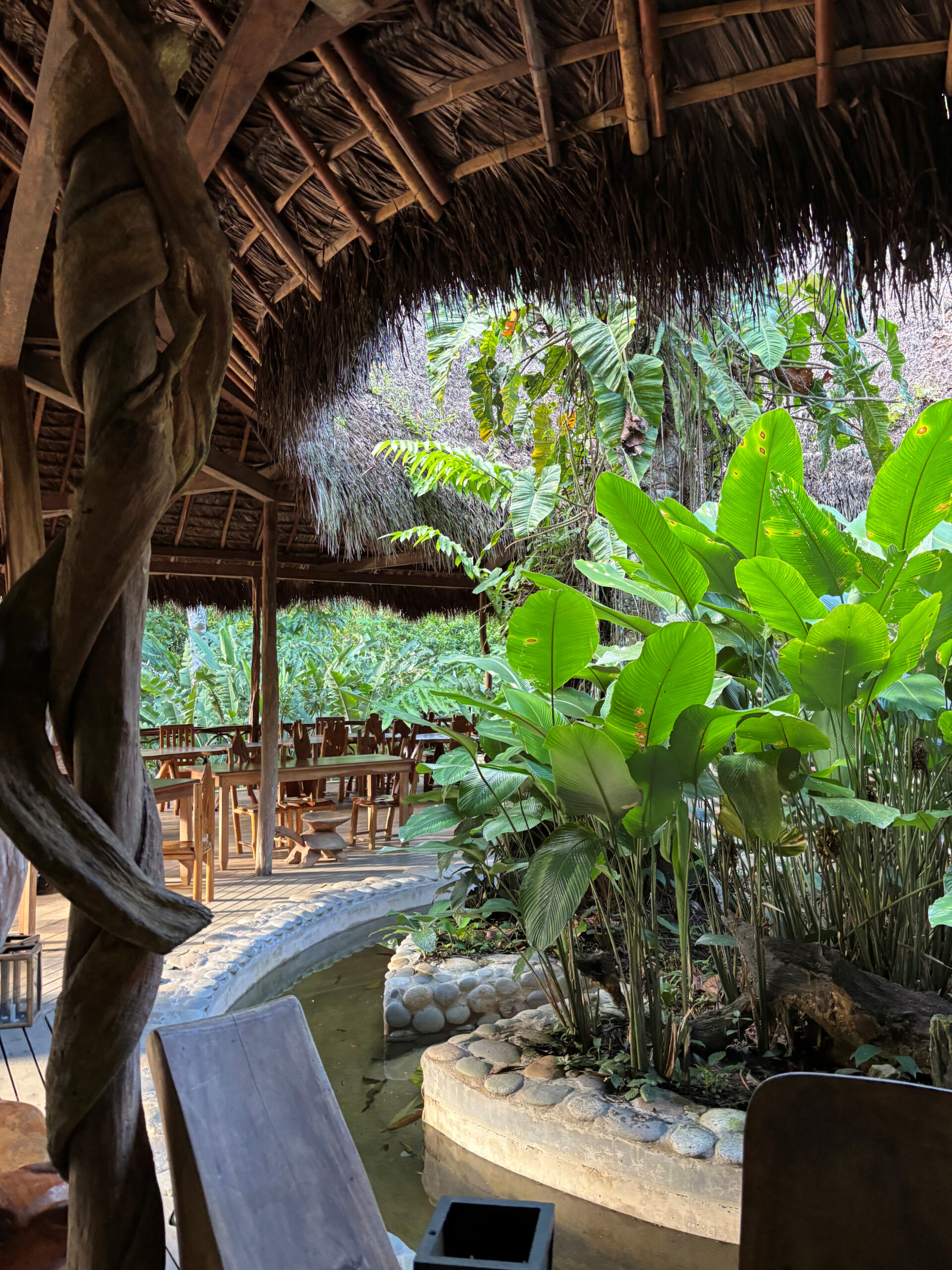
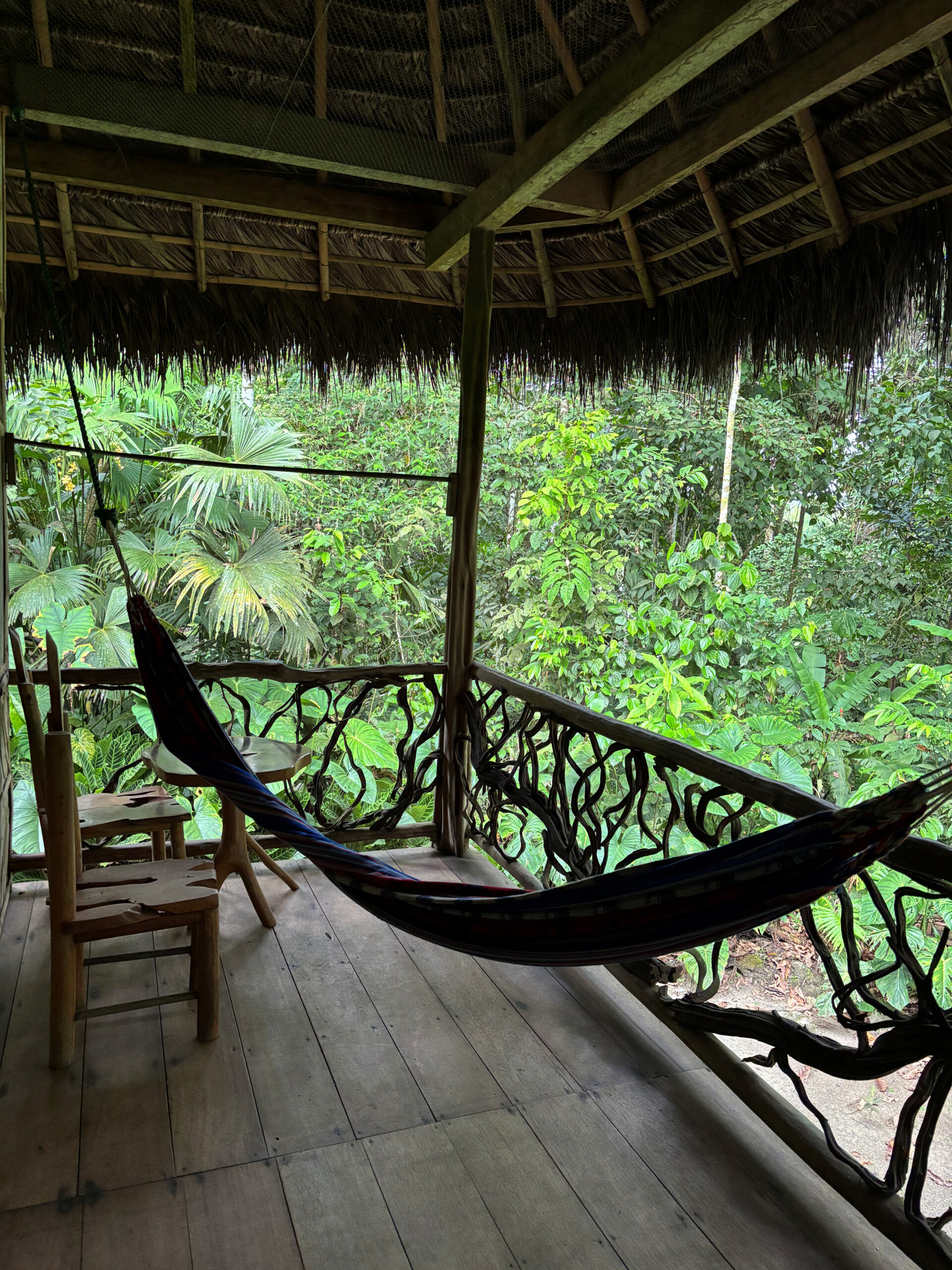
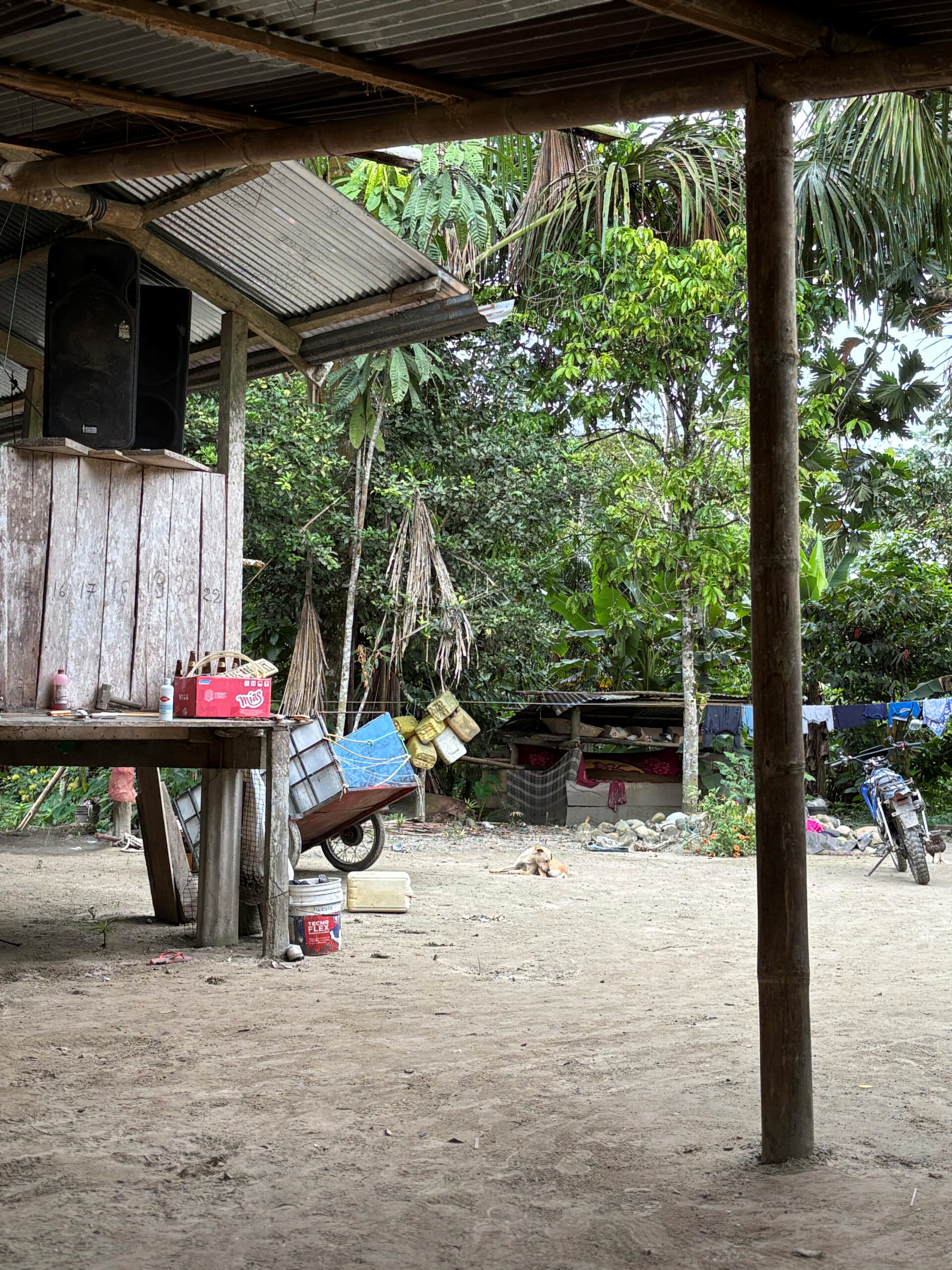
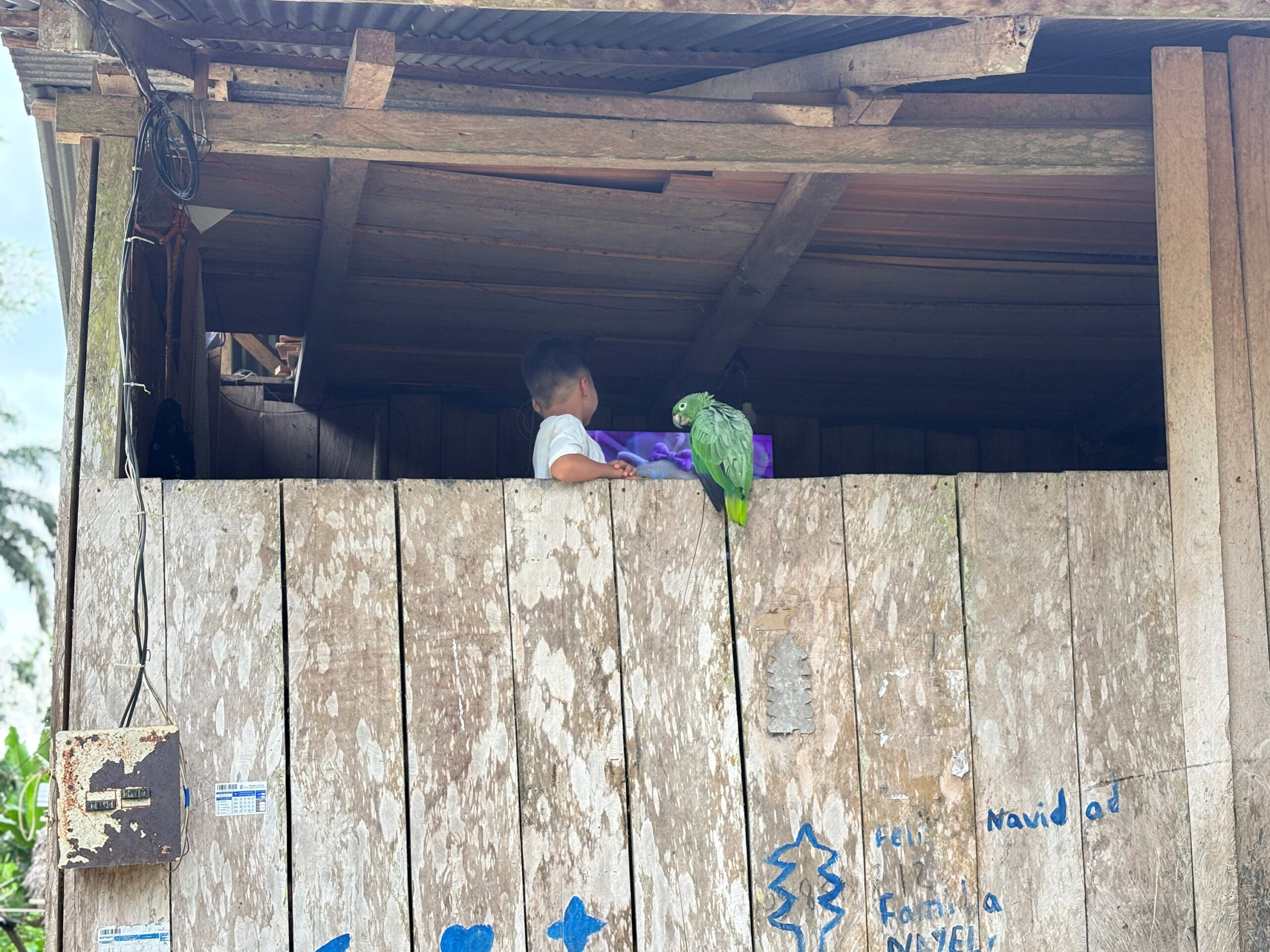
As I previously posted in pictures, I got to stay in the most magical rainforest lodge, which had no electricity but it didn’t matter at all because it was so wonderful. We arrived here by boat via Rio Arajuno and settled in for a couple of says at Liana, surrounded by tropical plant life and a thriving chicken community.
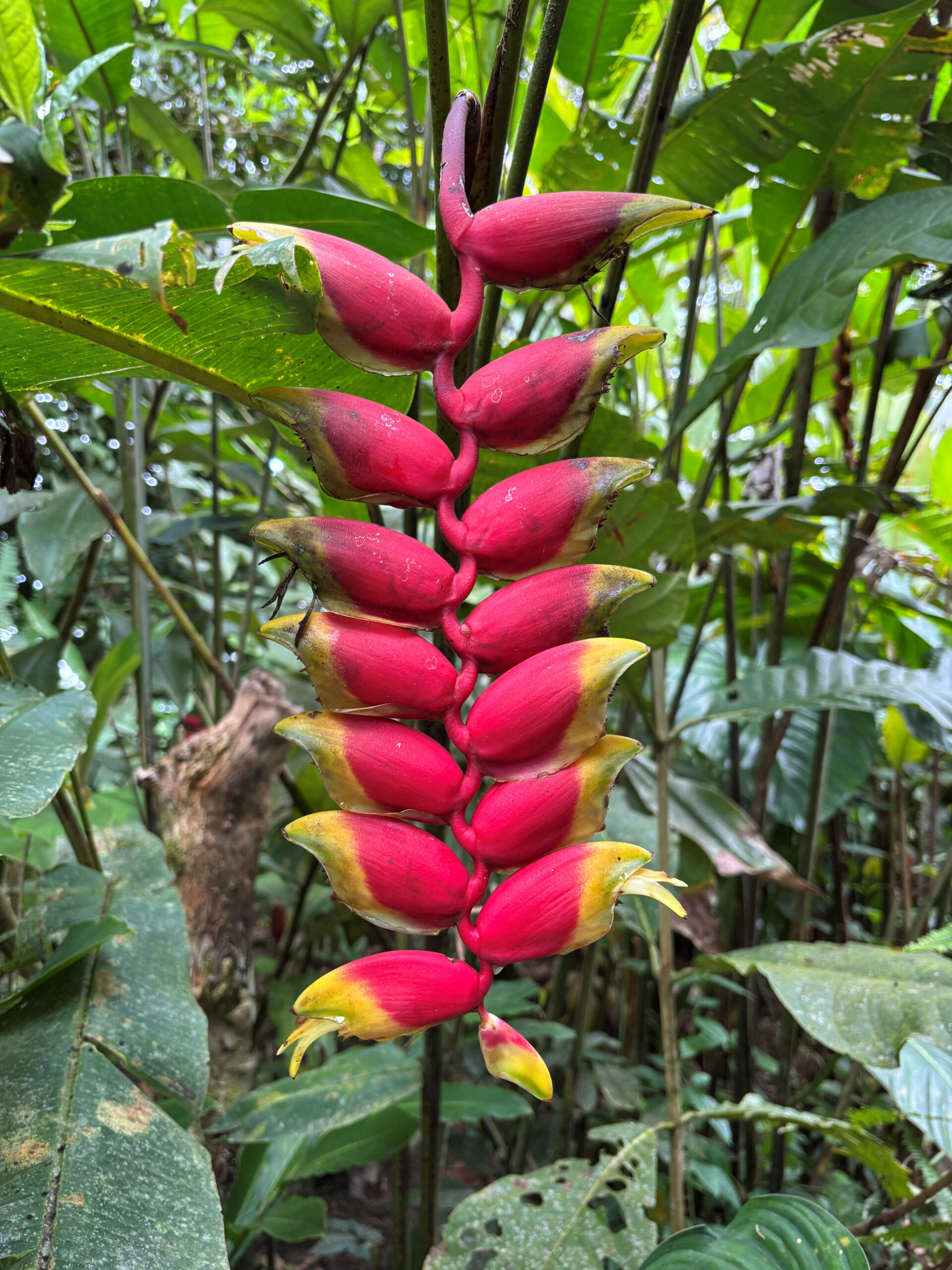
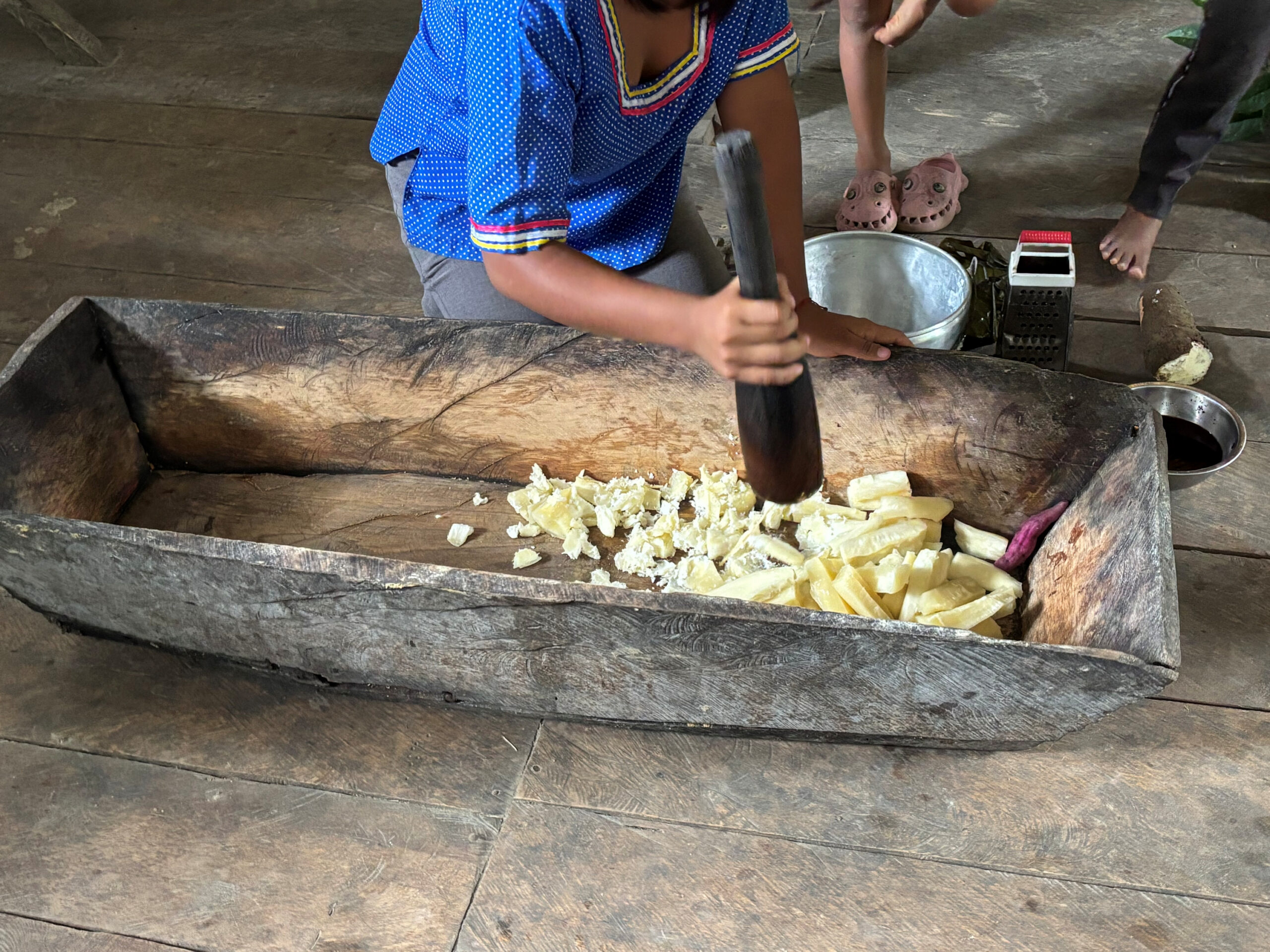
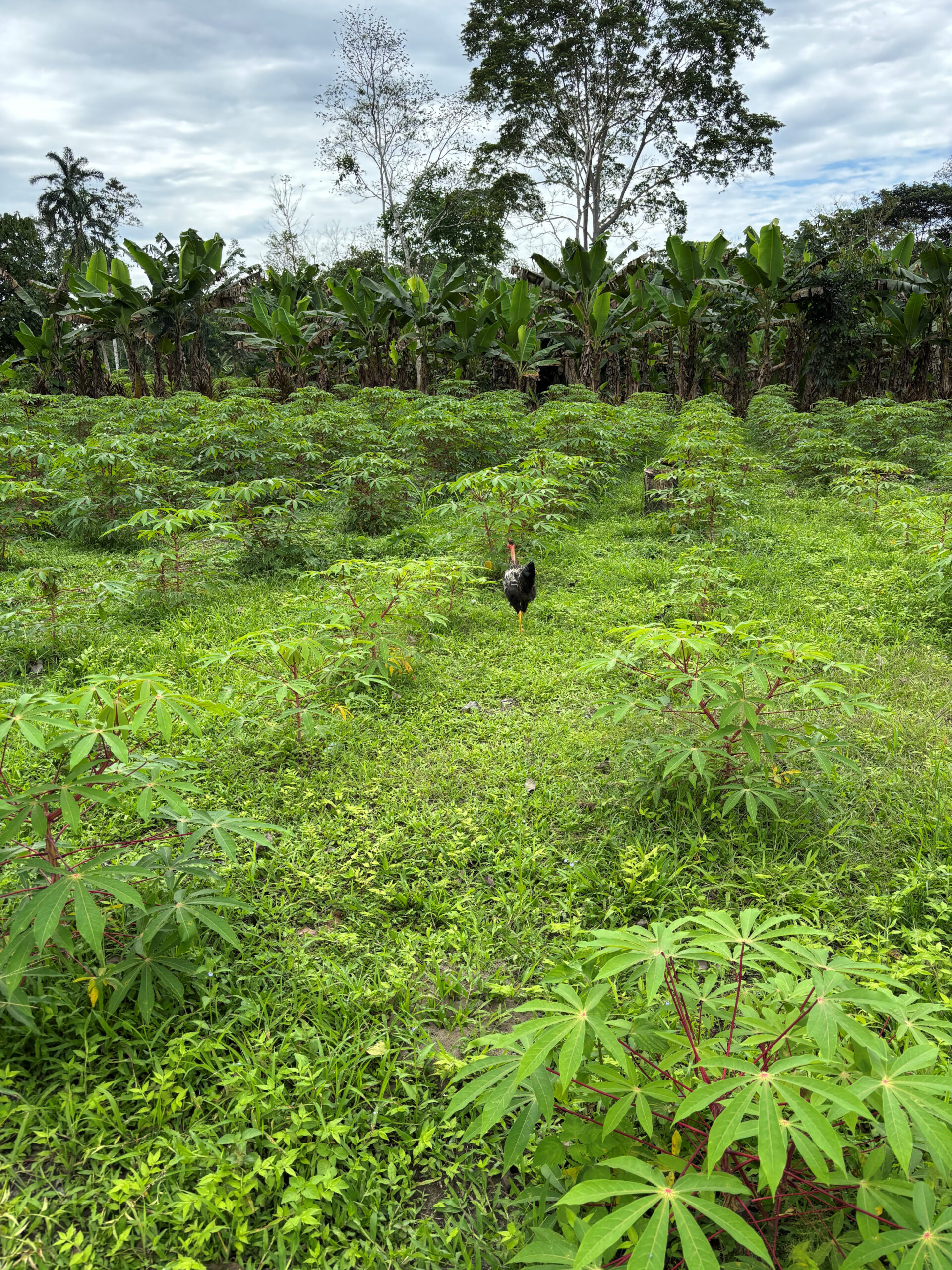
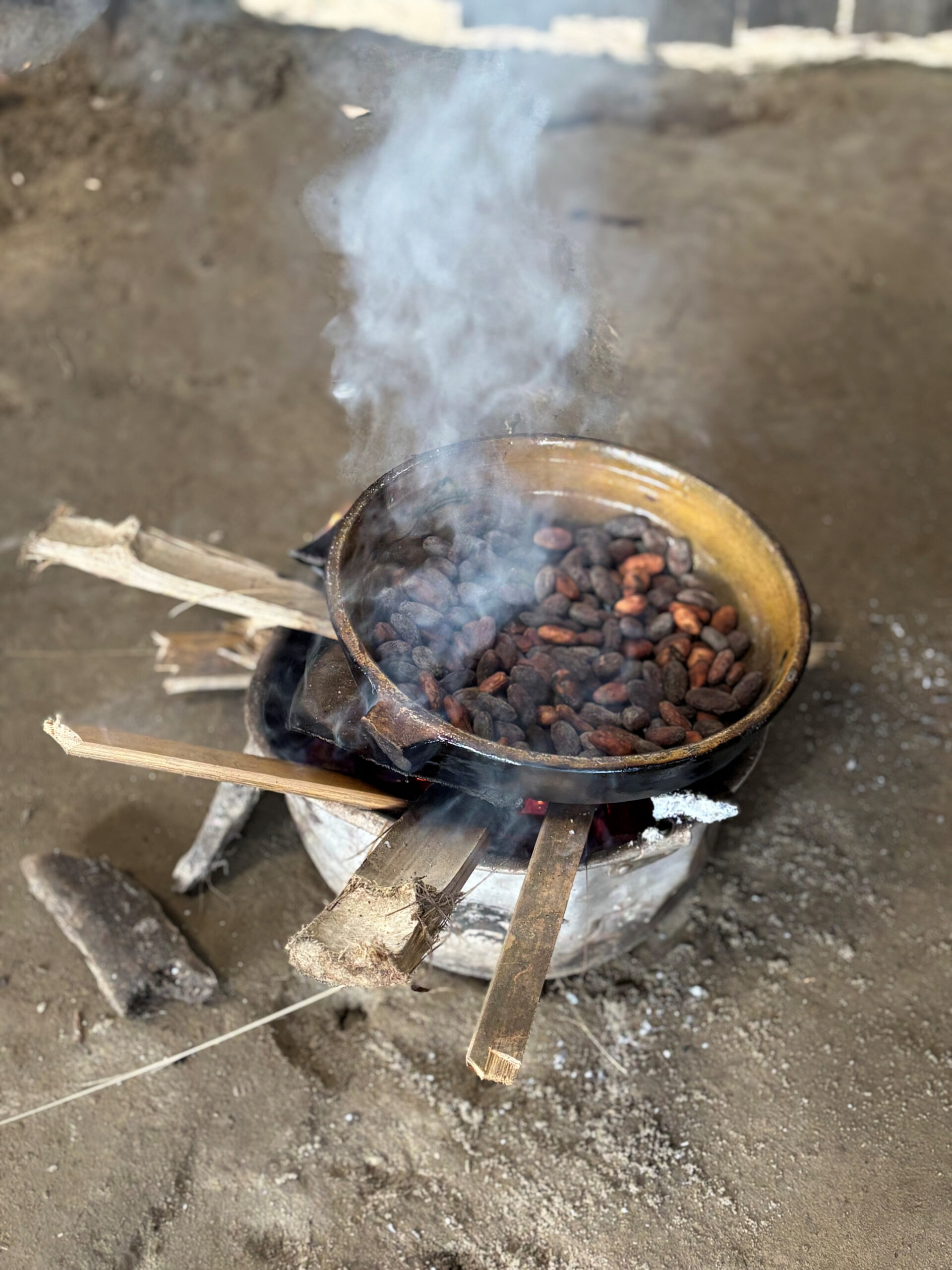
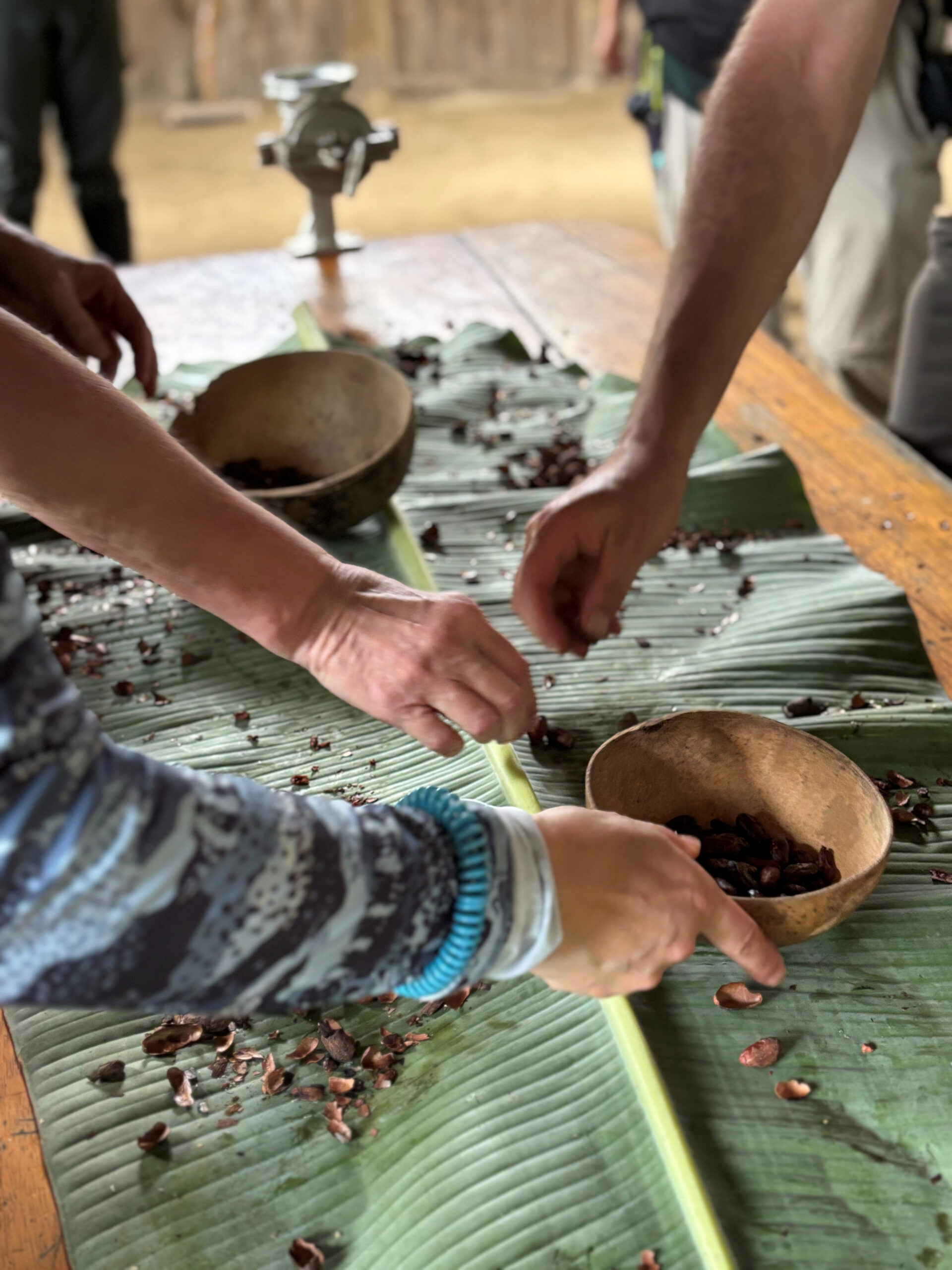
During our stay in the rainforest, a Quechua guide showed us his village’s homes, plant life, and how they make chocolate and an ancient fermented beverage made from cassava called “chicha.” I even had the honor of helping them make some chicha while visiting one of their homes. Quechua people are indigenous to South America, primarily Peru, and speak Quechua languages. In Ecuador, they are called “Kichwa,” and the Kichwa language is Ecuador’s second language next to Spanish. There are thirteen indigenous languages of Ecuador, including the Barbacoan languages Awa Pit, Tsafiki, Cha’palaachi, and Chicham languages Shuar and Achuar-Shiwiar, and most of them are endangered. According to Wikipedia, at this time only 1.55% of people in Ecuador speak English.
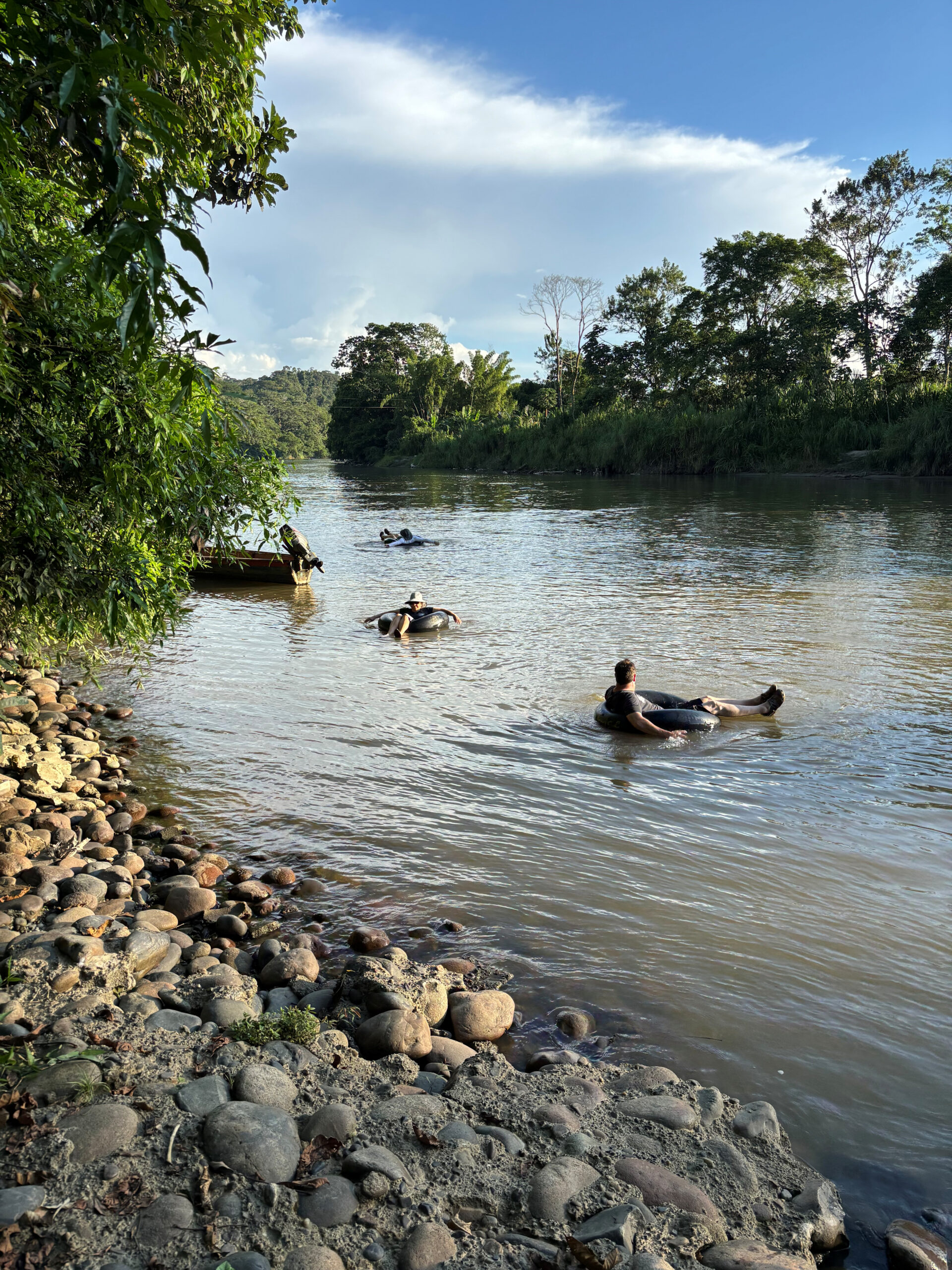
After this, we took the most fun and relaxing float trip down the Arajuno river – never mind that while we were floating we saw a Caiman on the shore and there was literally nothing we could do if we wanted to! This, however, was one of the best times I’ve had in my life, so much fun.
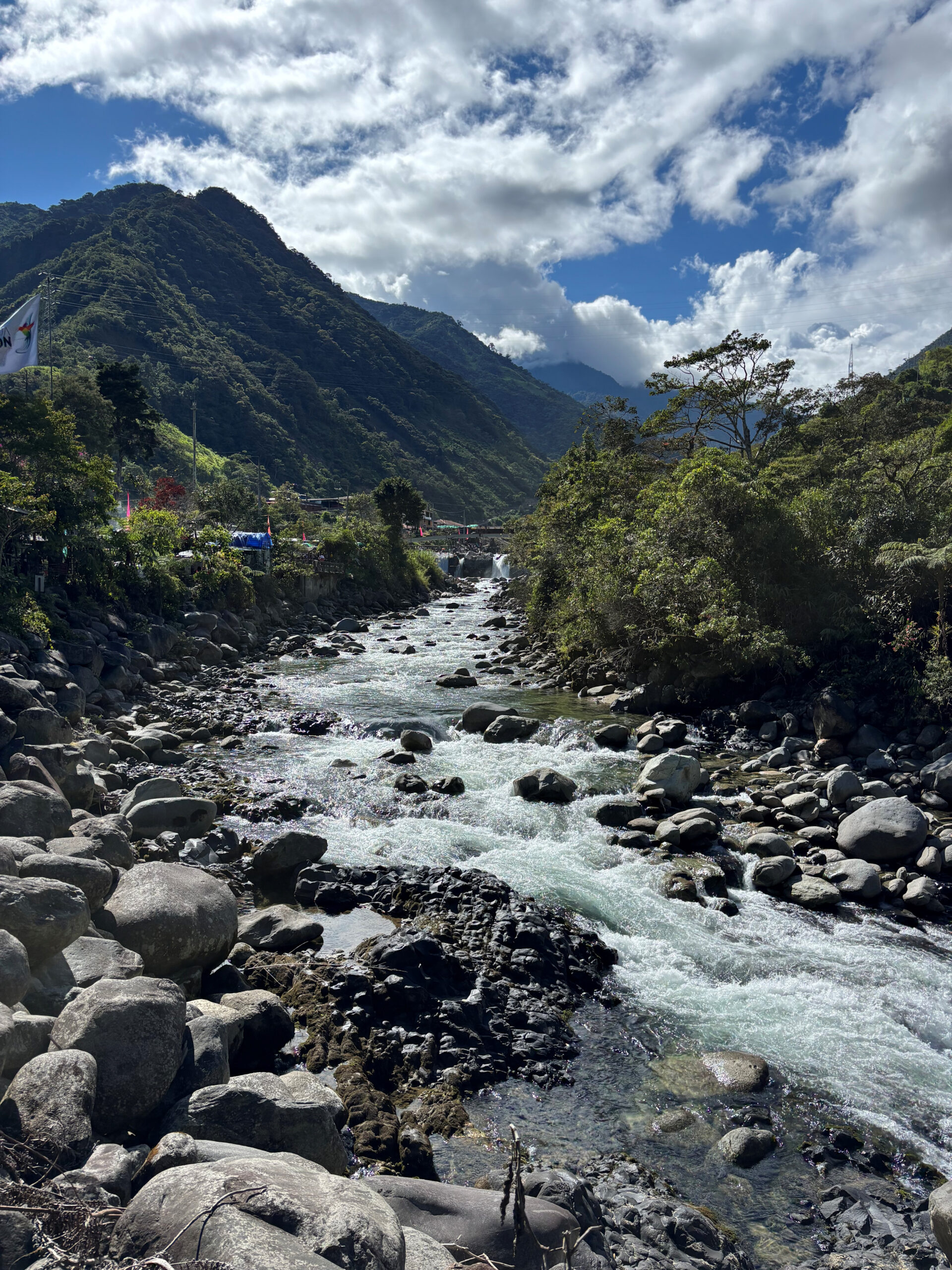
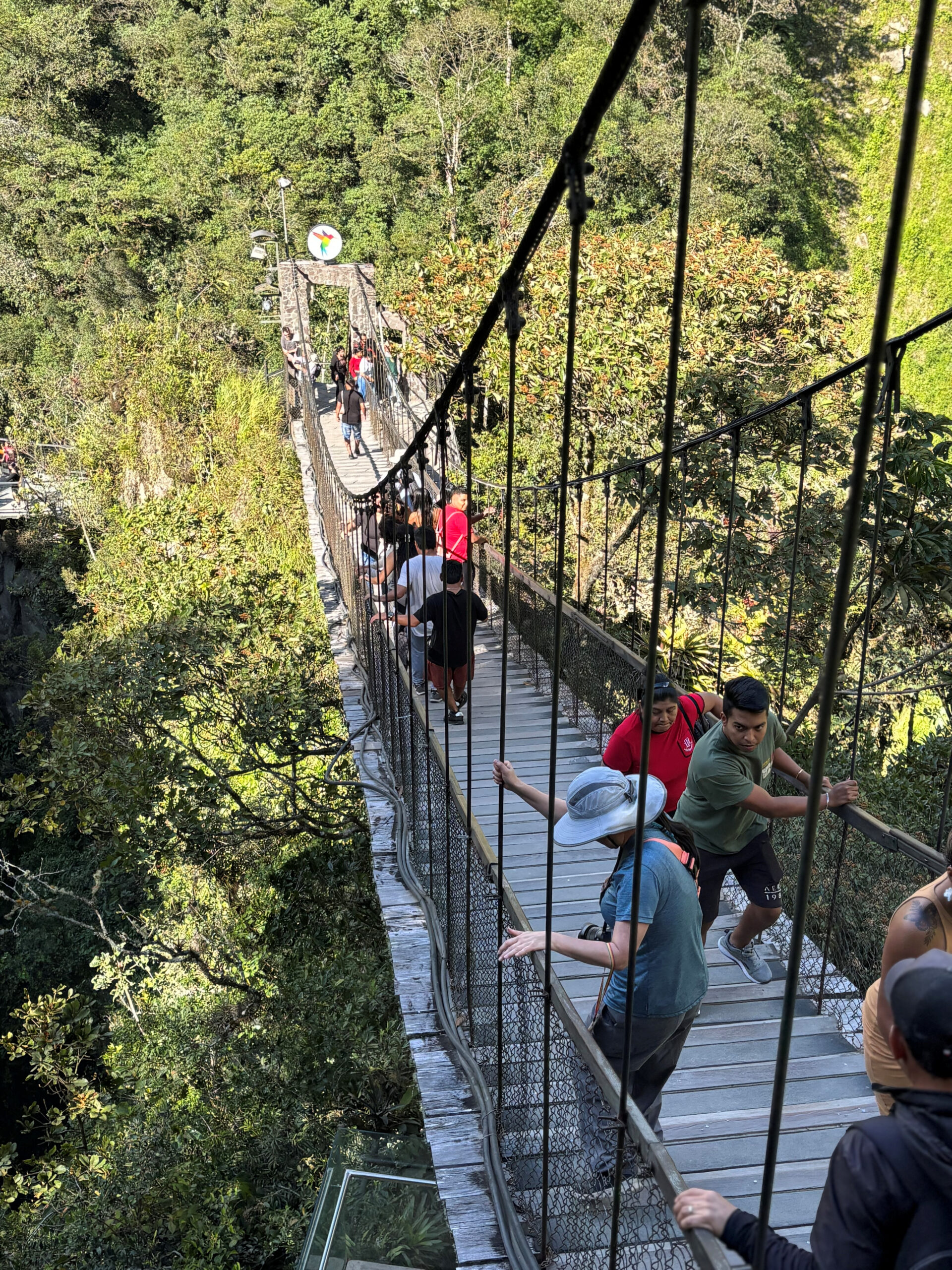
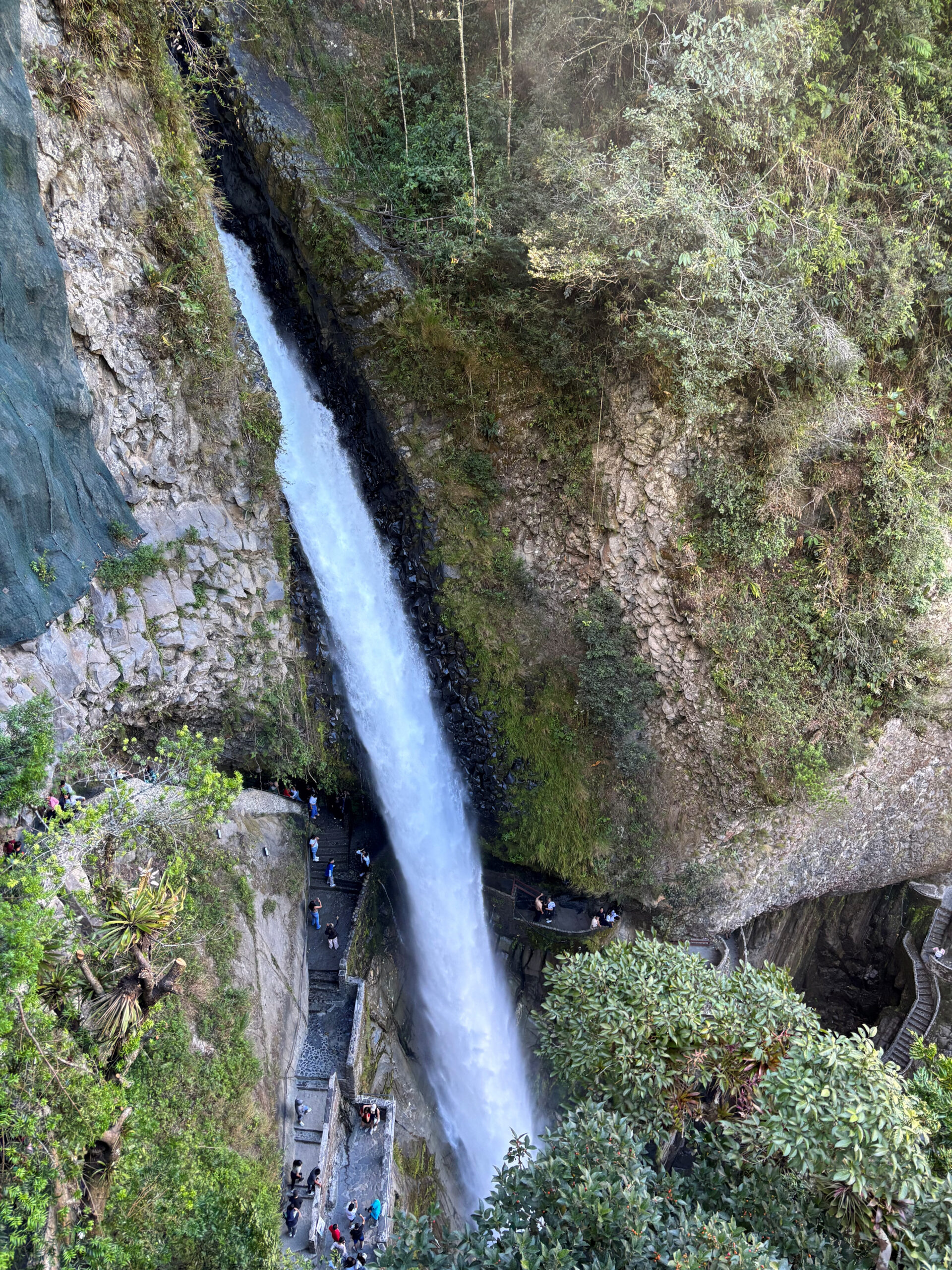
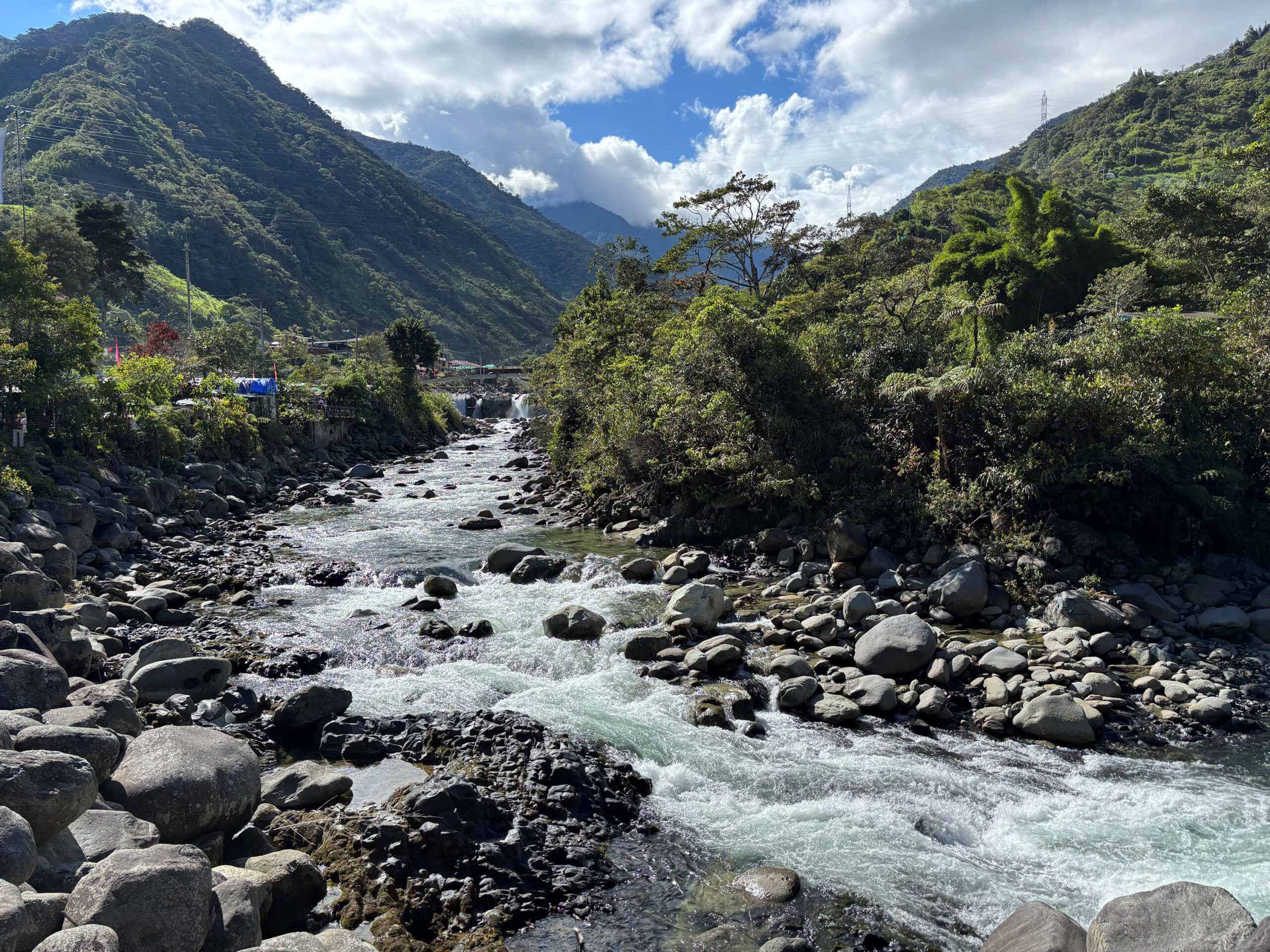
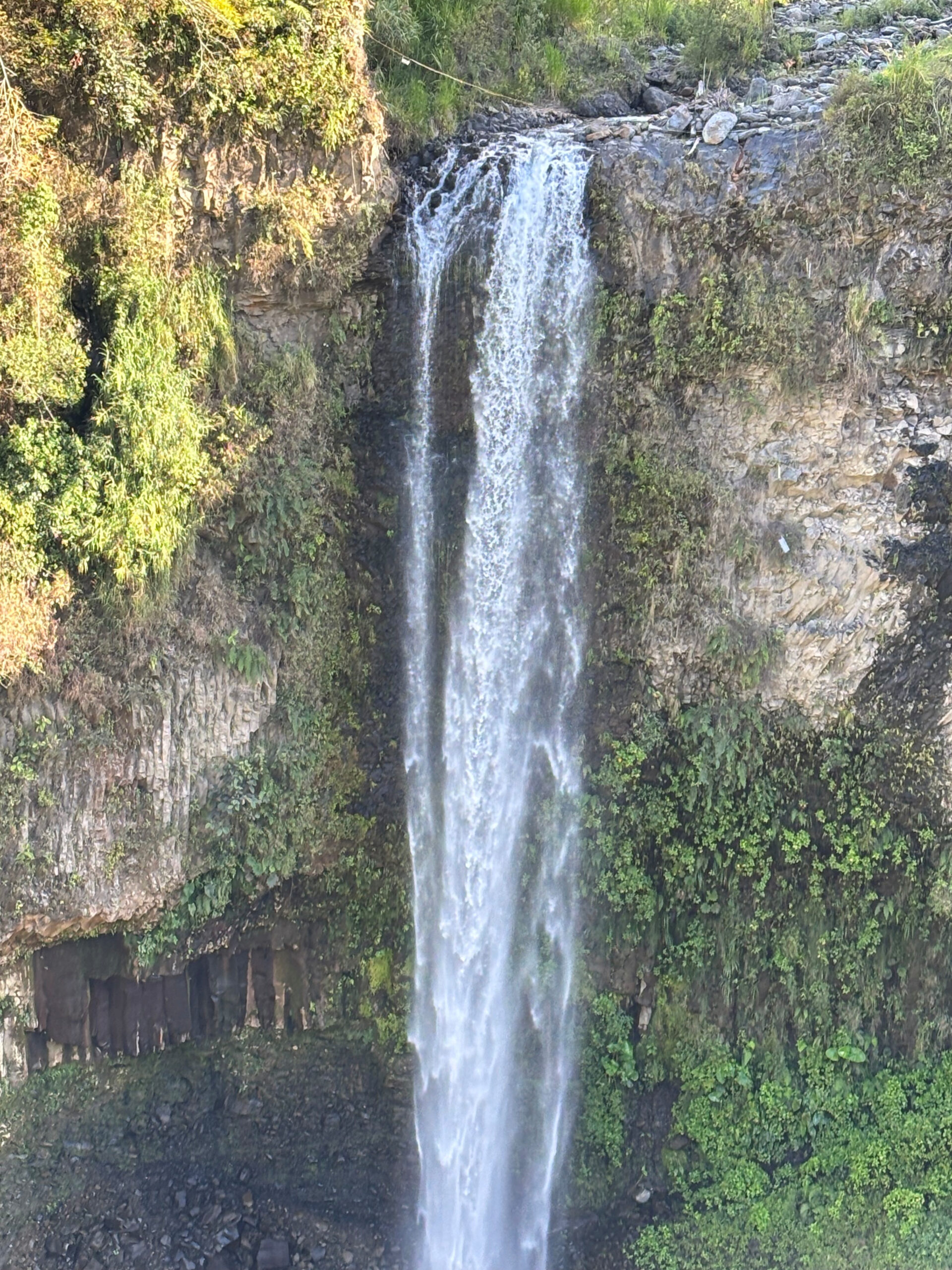
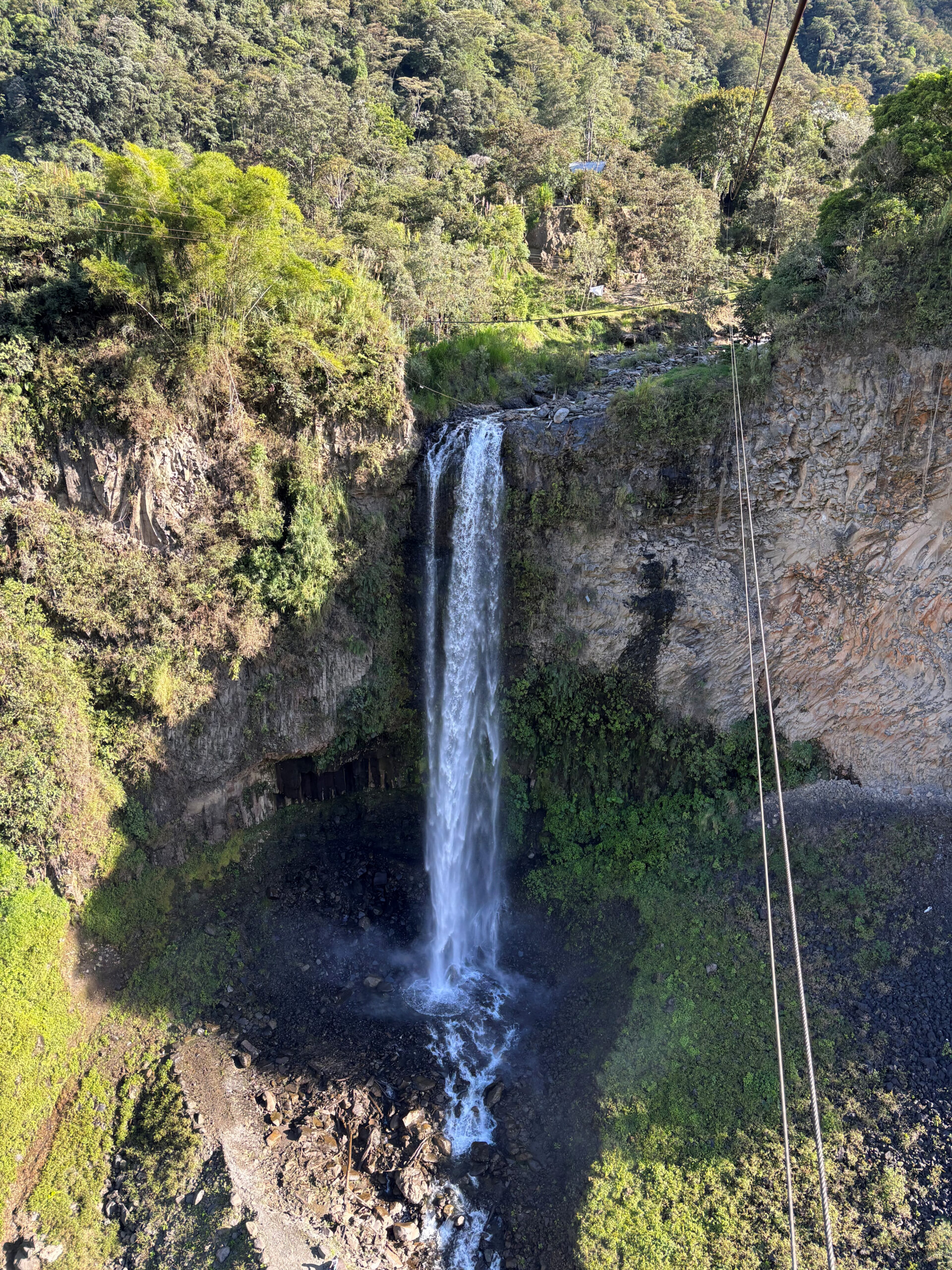
Baños, Ecuador is a cute and vibrant town famous for its hot springs, thus the name “baños,” which is widely known as “bathroom” but can also refer to baths or hot springs, as in this case. It’s also known for its night life, shops, and two major waterfalls, El Pailón del Diablo and Agoyán, which we got to see via cable car. (More pictures here.)
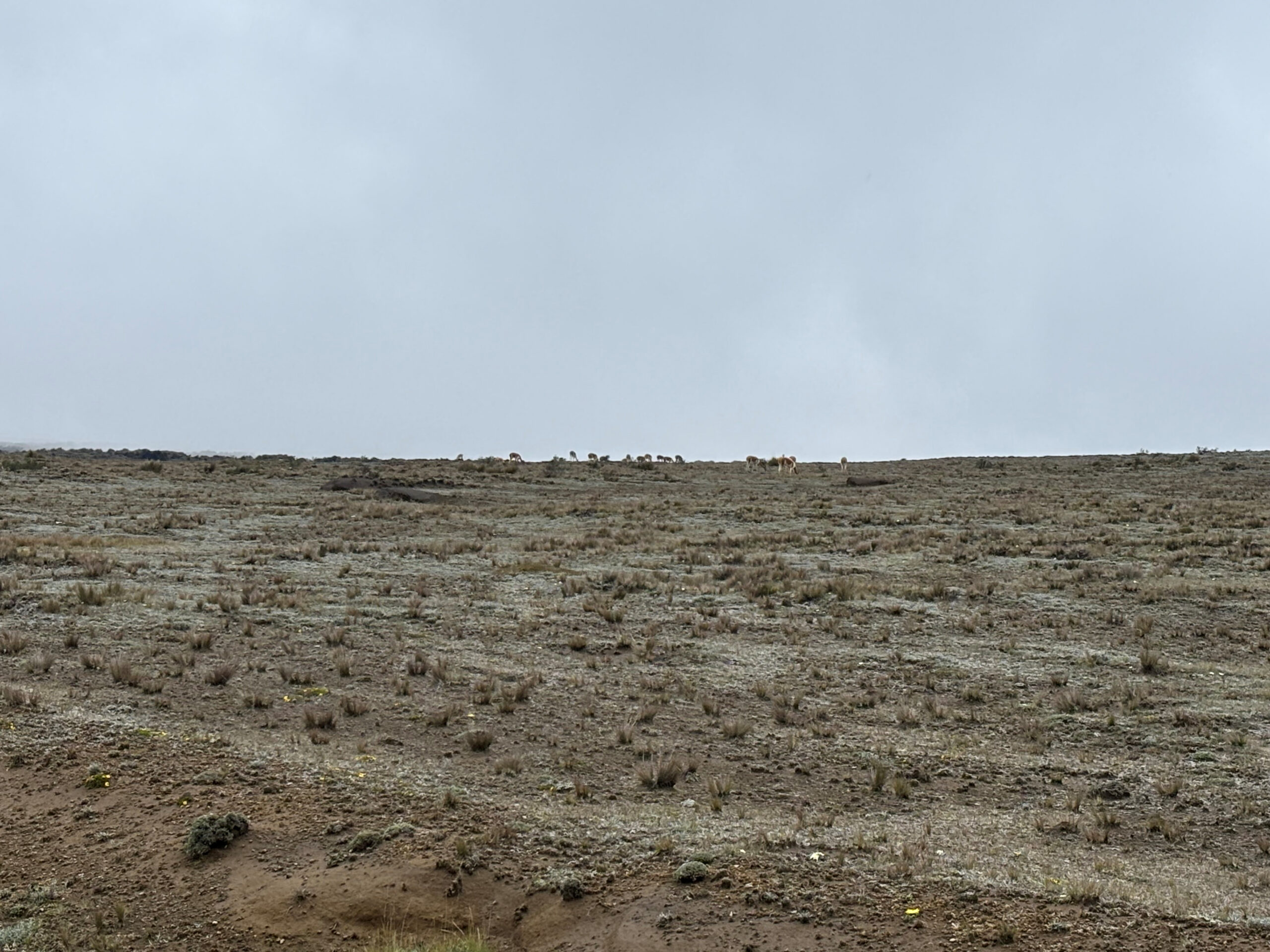
Continuing south, we stopped at the closest point to the sun on Earth, Chimborazo, and there saw a herd of guanacos in the distance. Quite a lovely place, but some of us, including me, were so out of breath and dizzy at that altitude! While at an elevation of 20,549 feet, it is not the highest mountain when measured from sea-level, but it is considered the farthest point from the Earth’s center due to the equatorial bulge.
We stayed at a lovely little inn near Chimborazo called Posada Ingapirca in Cañar province with the most sublime window sunset views.
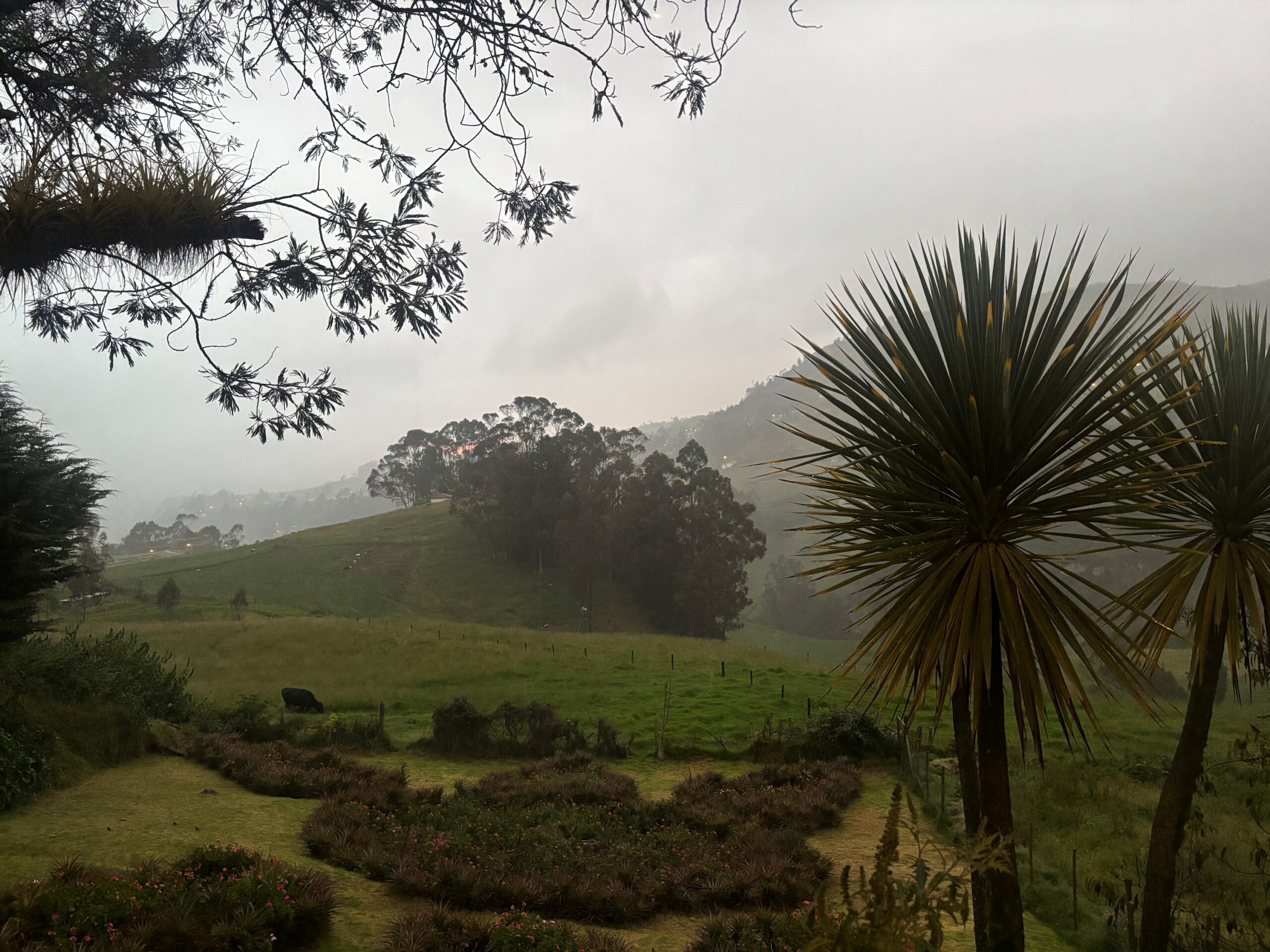
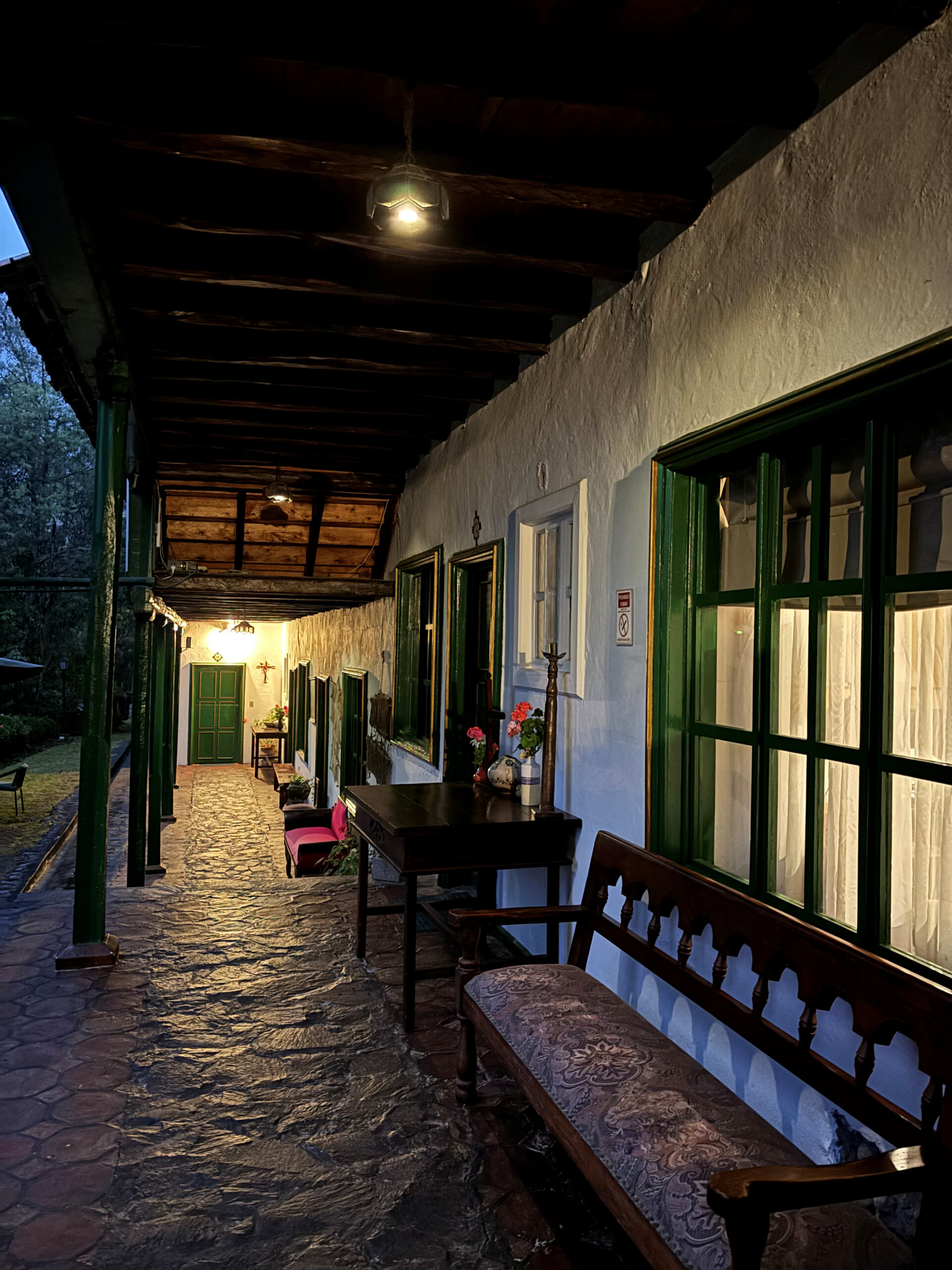
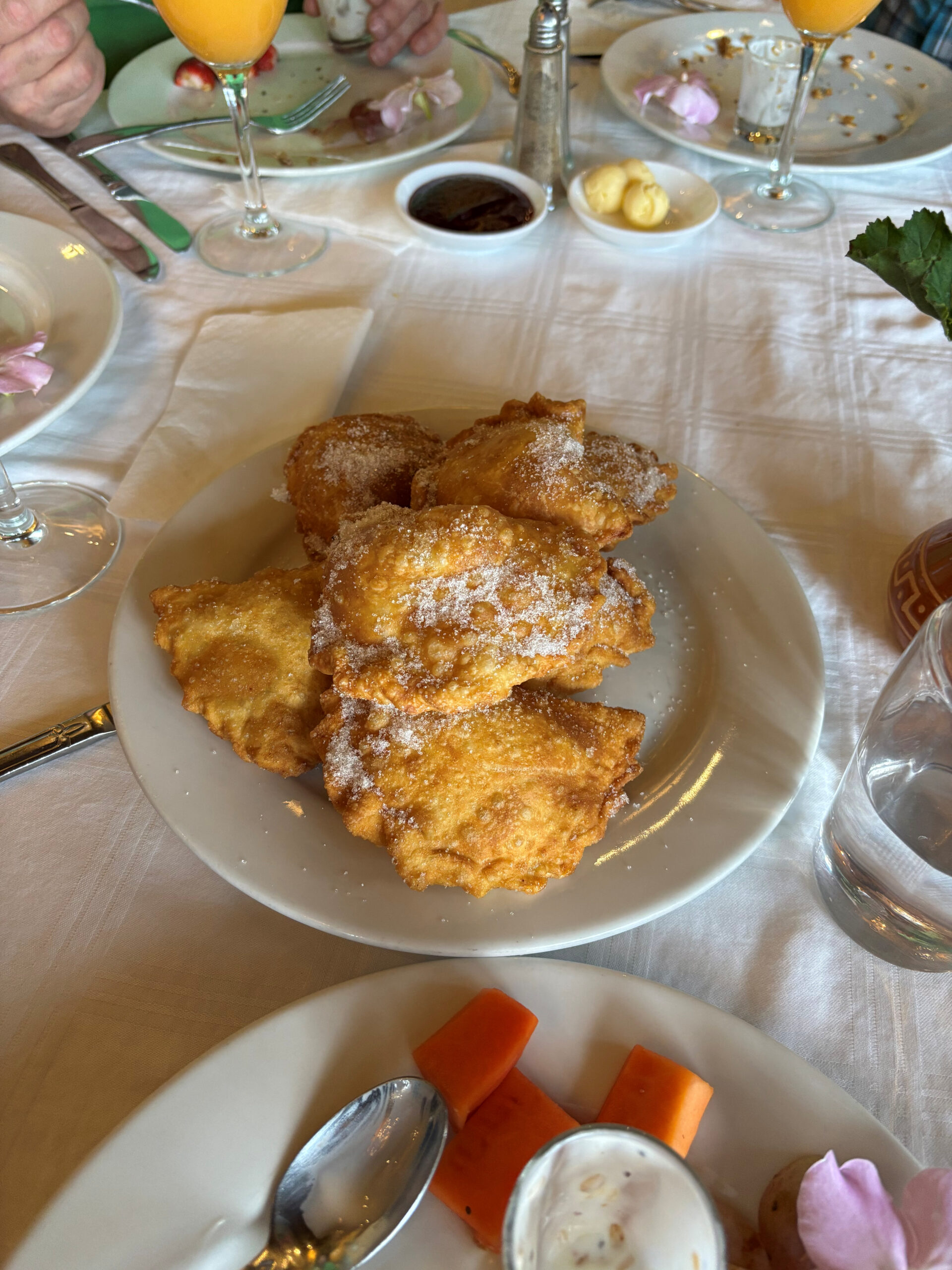
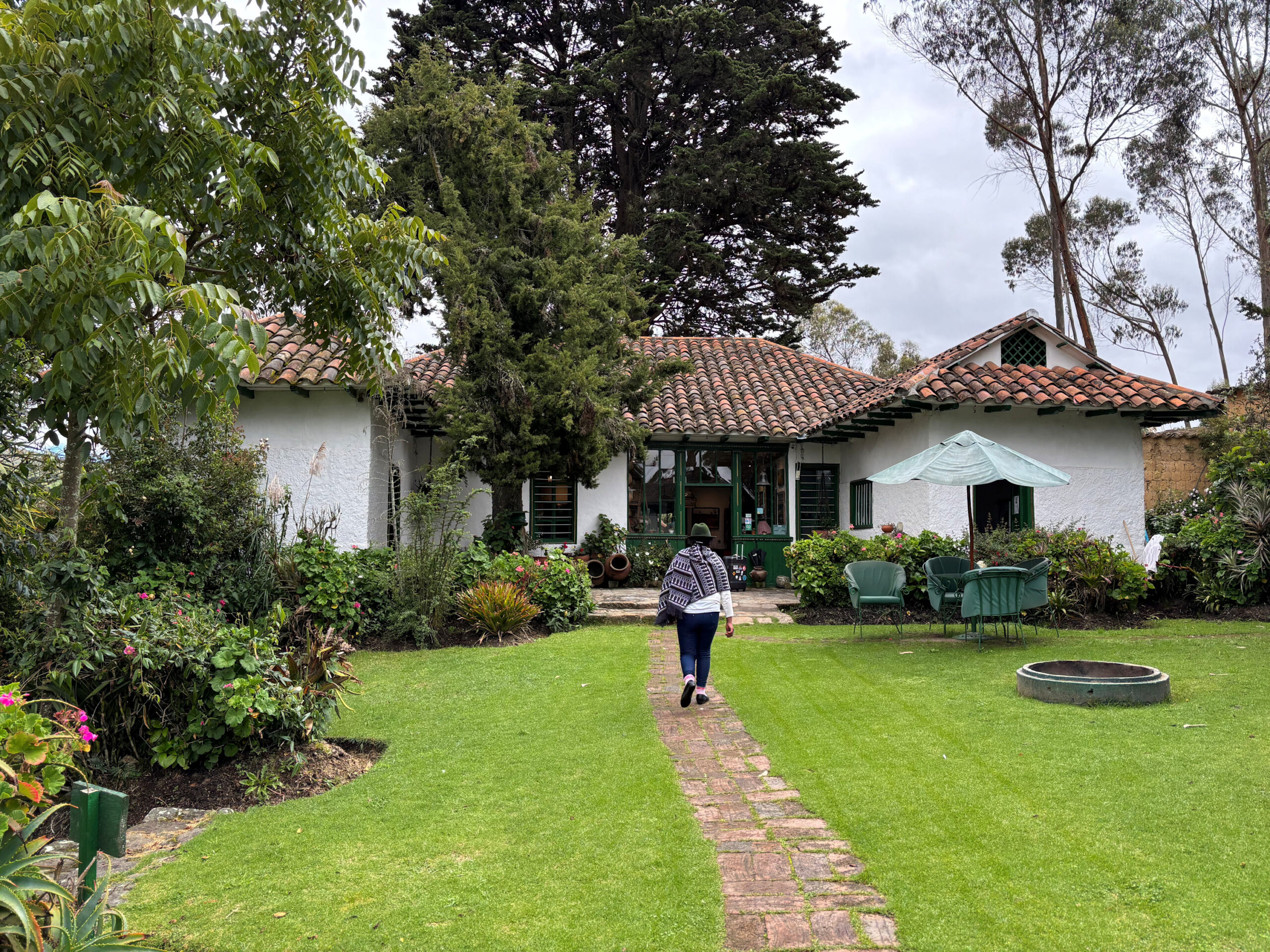
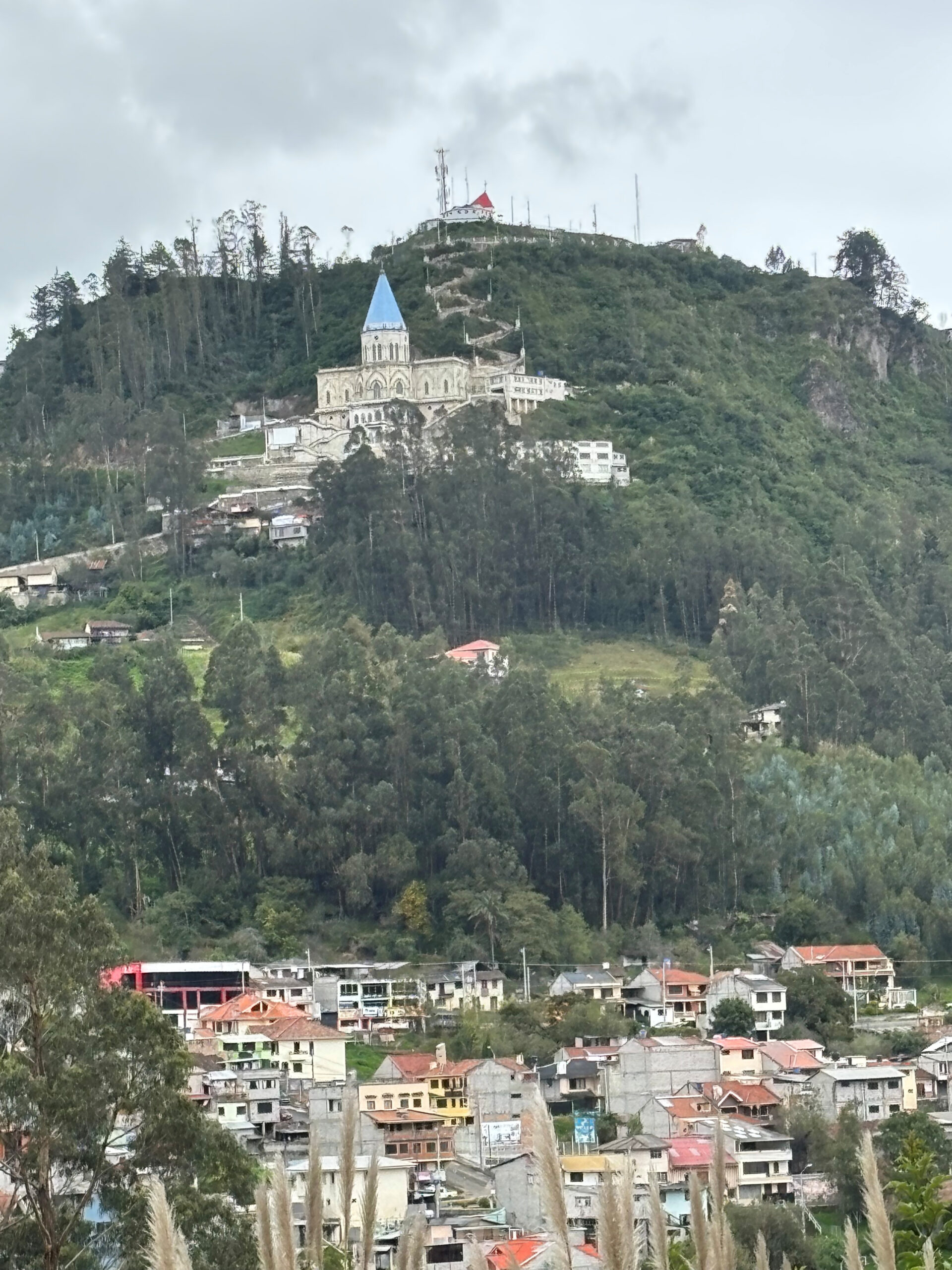
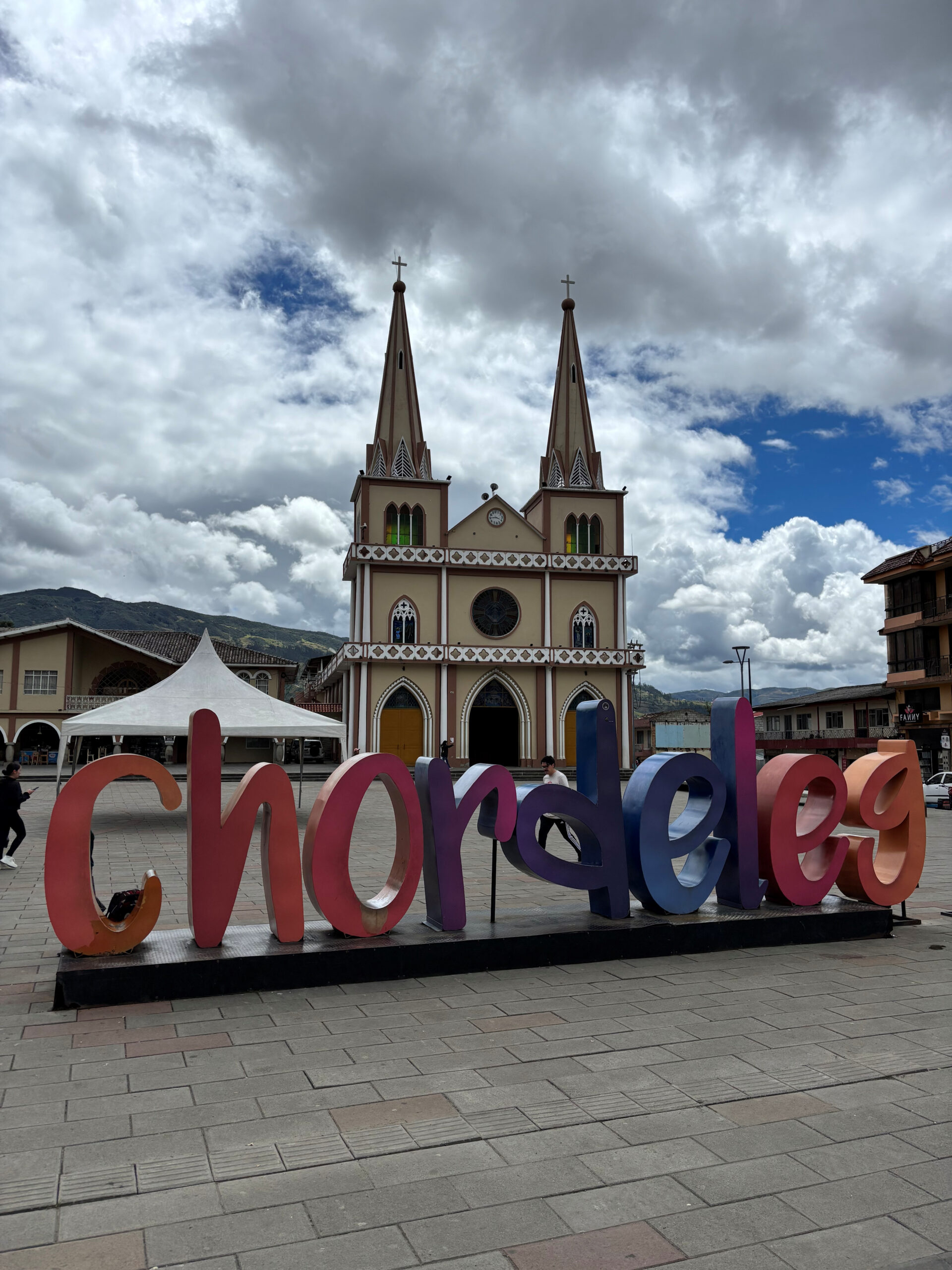
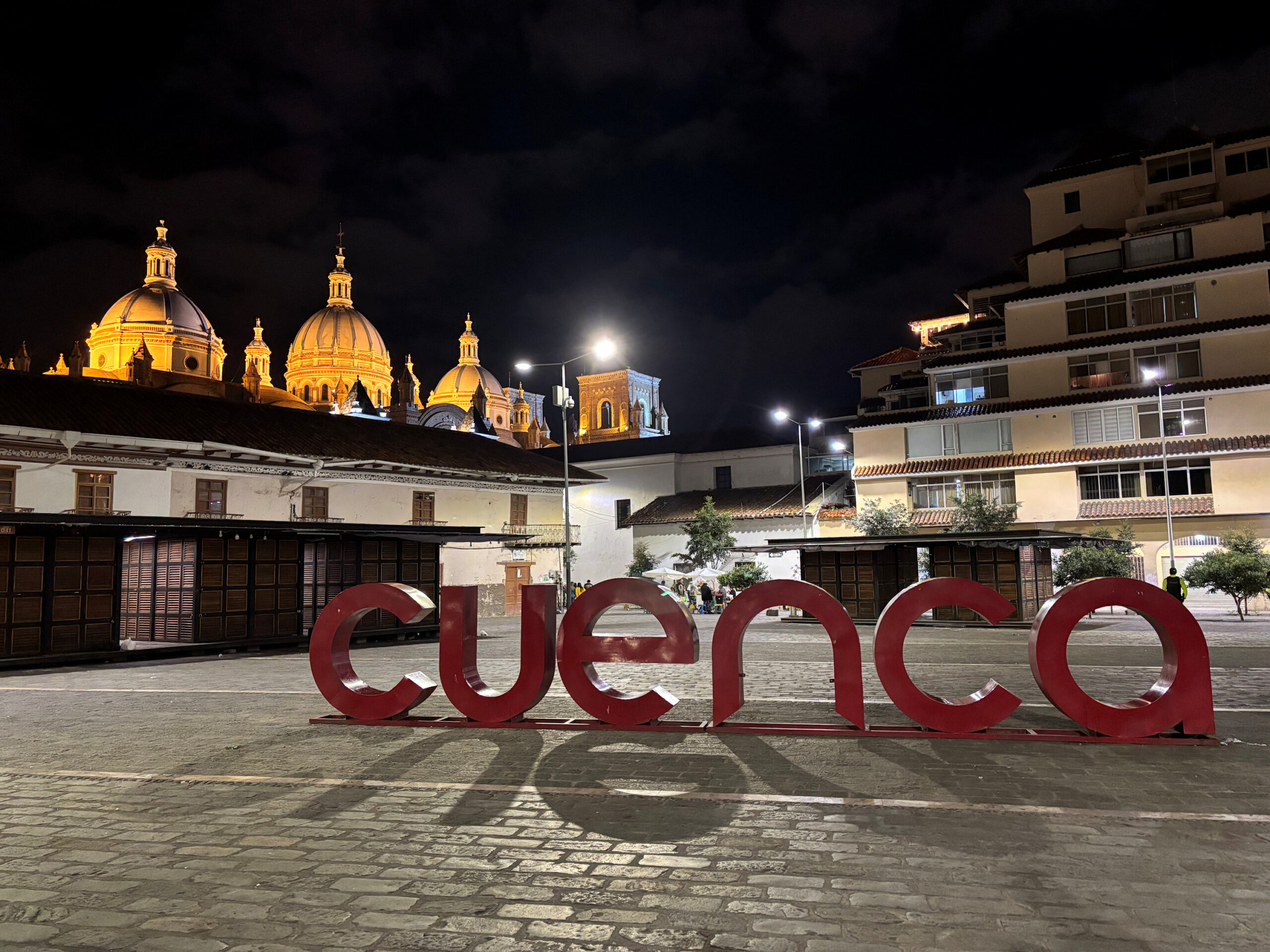
From here, we went to the Ingapirca Ruins that I wrote about here. Between the Ingapurca Ruins and our next stop, we saw the Sanctuary of the Virgen del Rocio from afar, a church built on the side of a mountain overlooking Biblián Canton, and the city of Chordeleg. I like how most Ecuadorian cities have these cute welcome signs, usually in the city center.
As we drove through so many towns and cities, we noticed that there are numerous speed bumps in urban areas, and we found out that in Ecuador they are colloquially called “chapas acostadas” or “chapas muertas,” which translates to something like “police death,” since “chapas” is a slang word for police in Ecuador, similar to the word cops. They slowed us down but made the drives feel pretty safe for us and for all of the doggies roaming around the towns and cities.
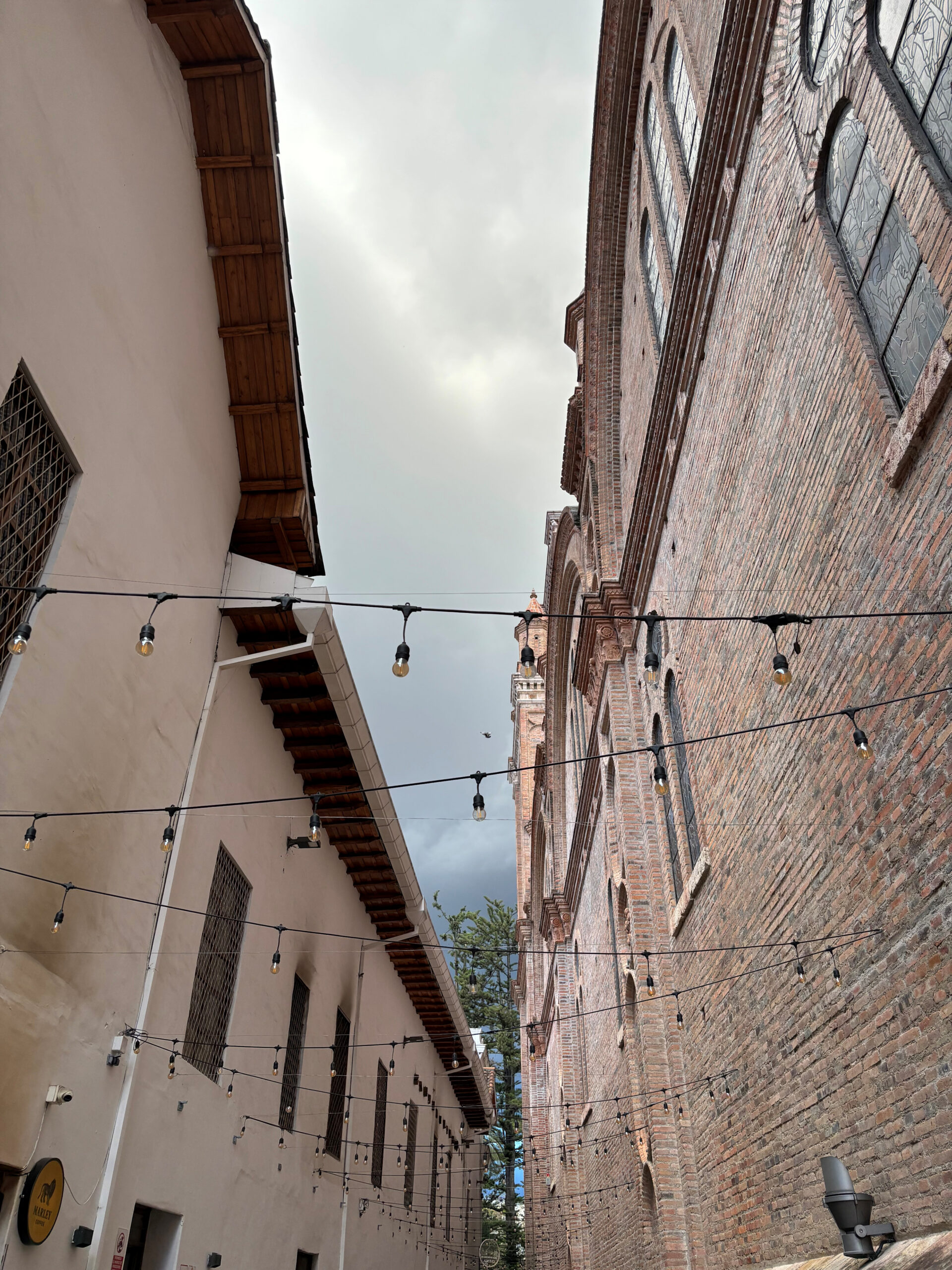
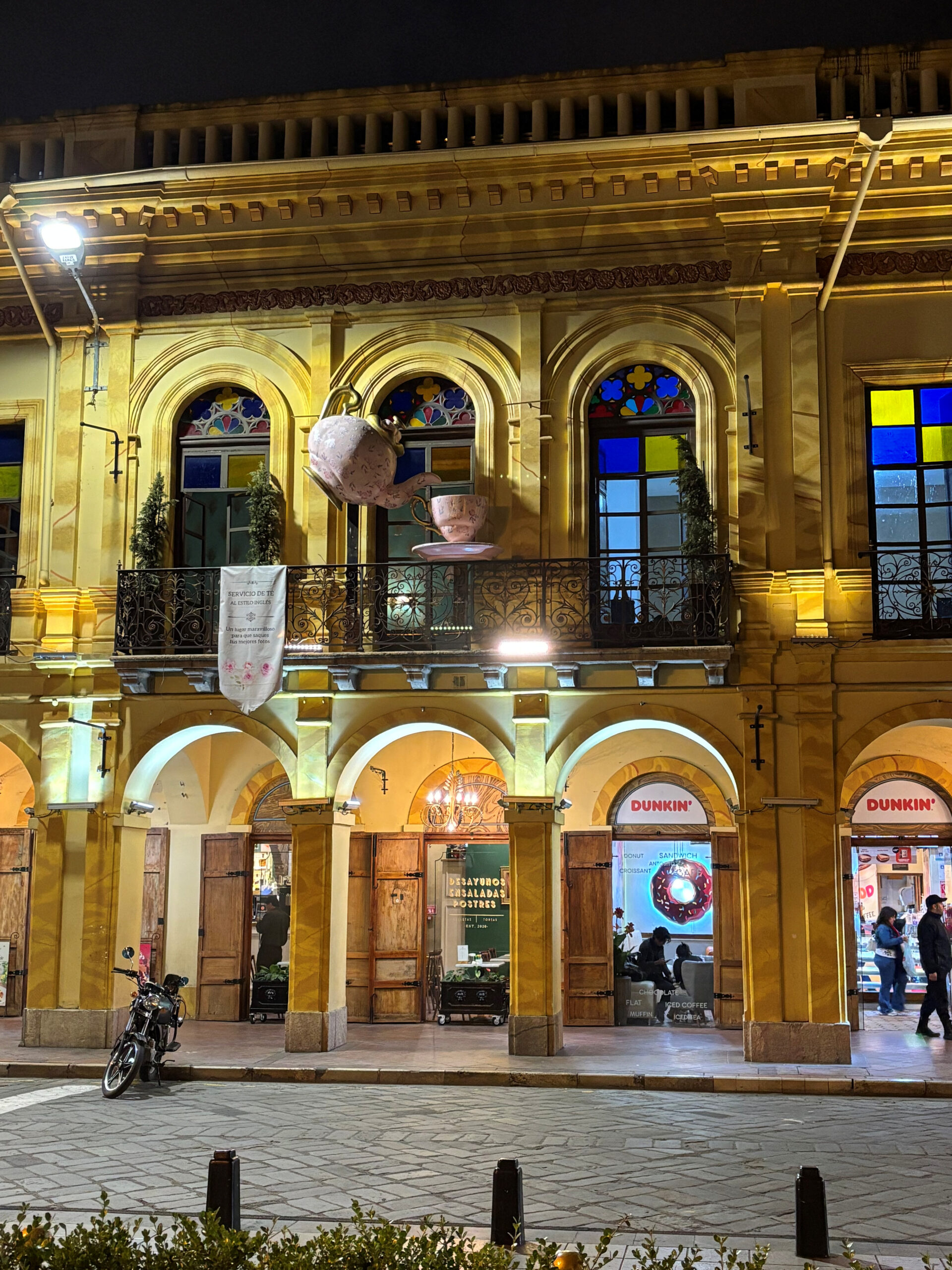
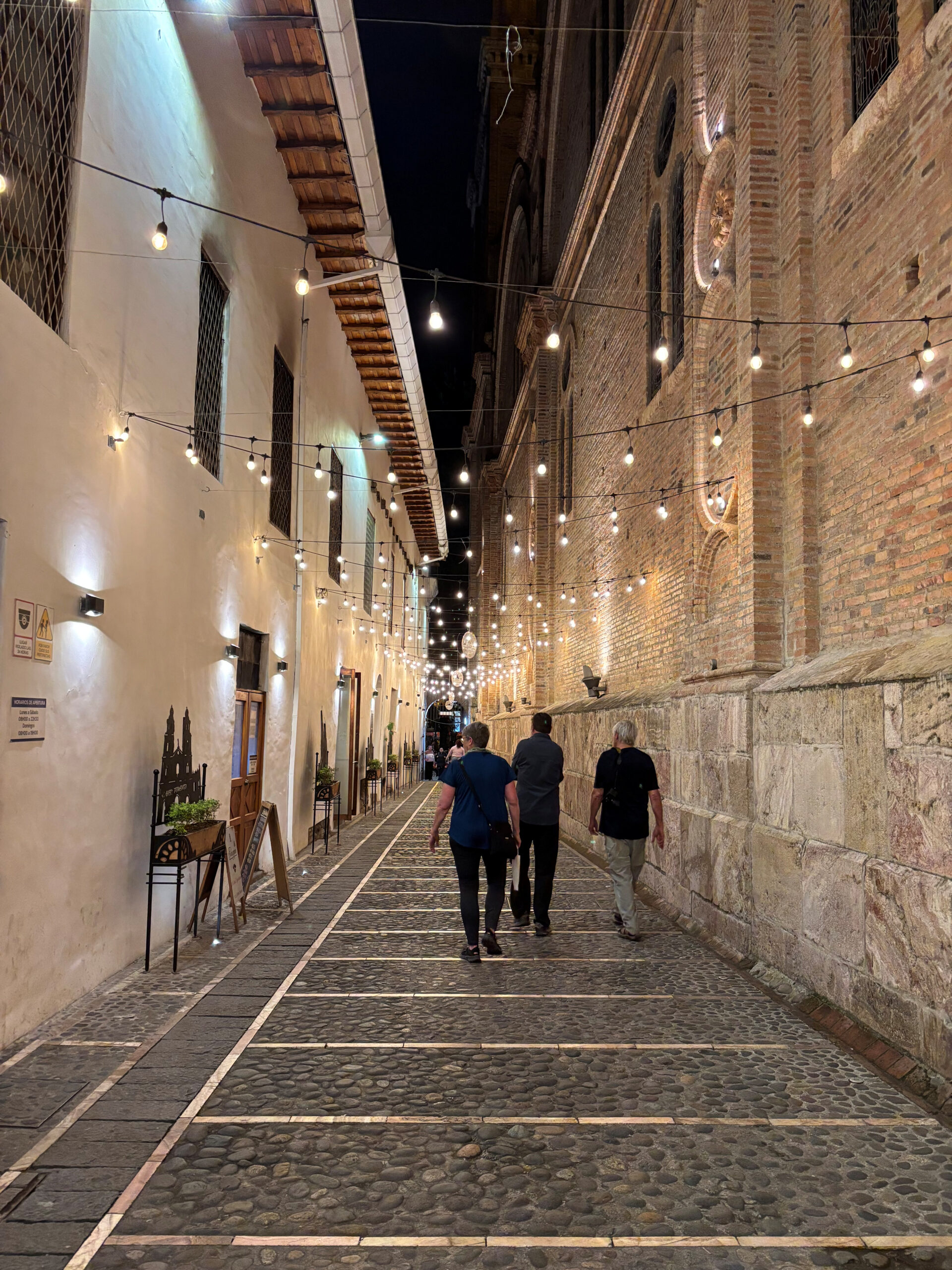
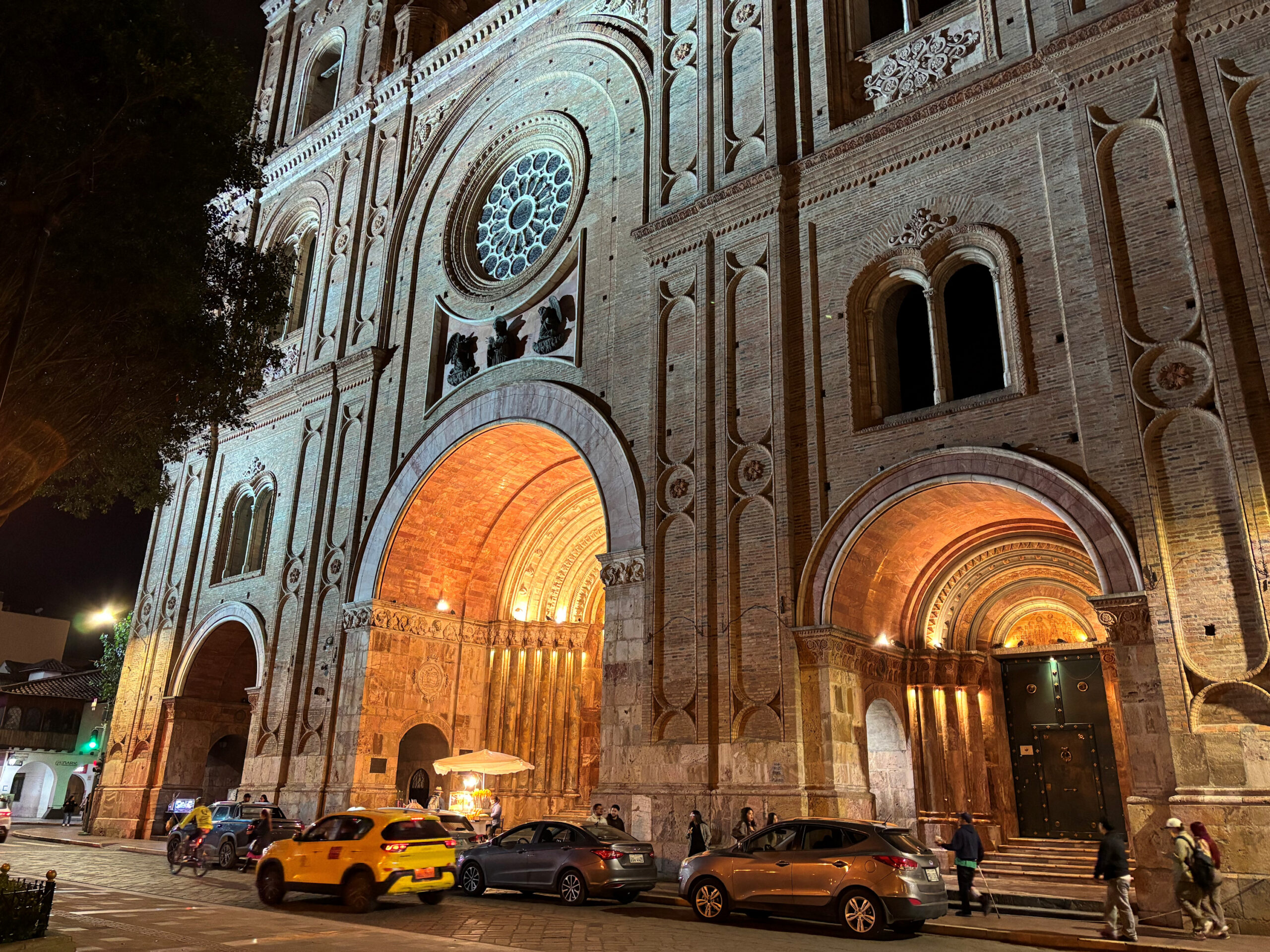
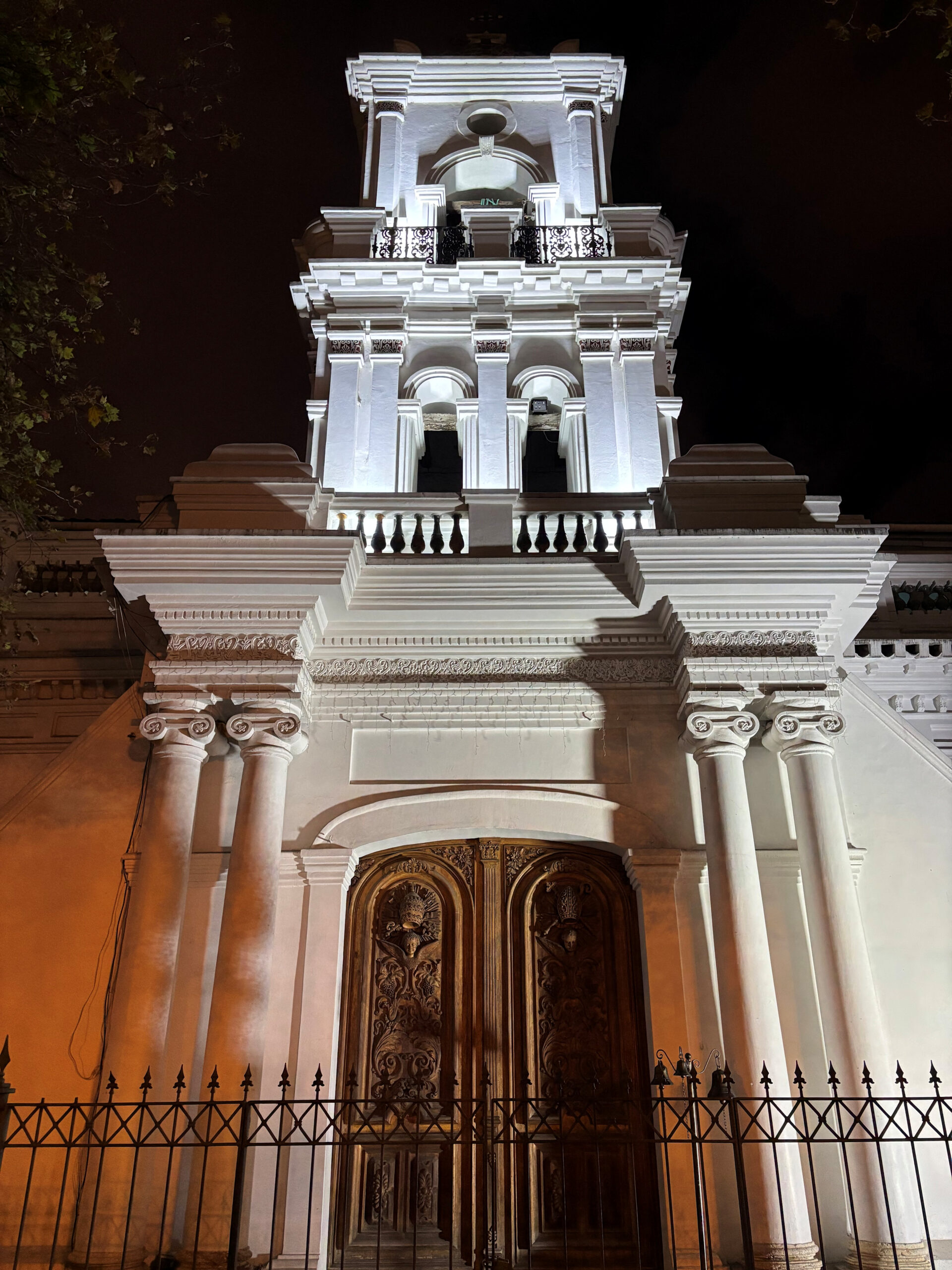
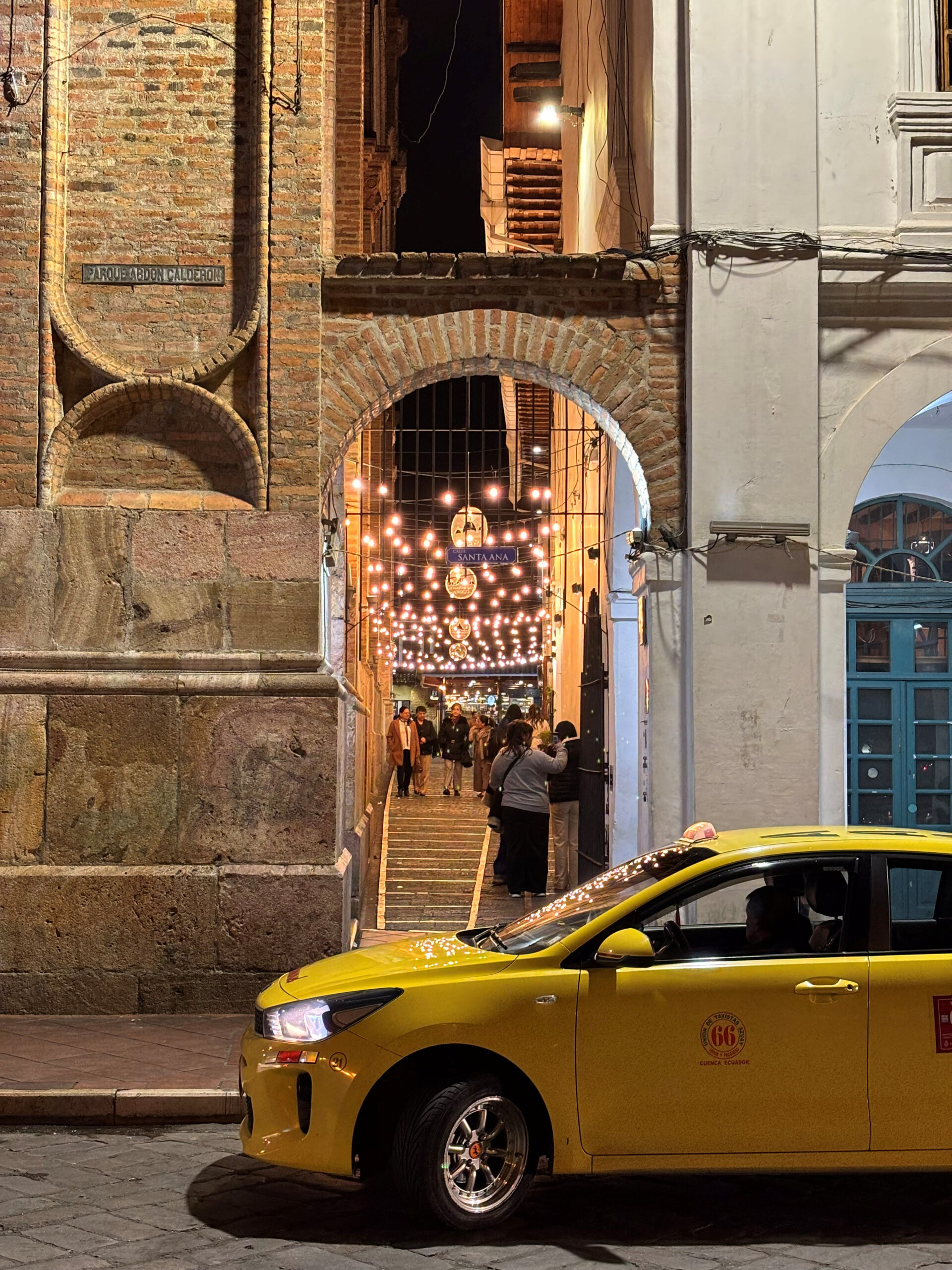
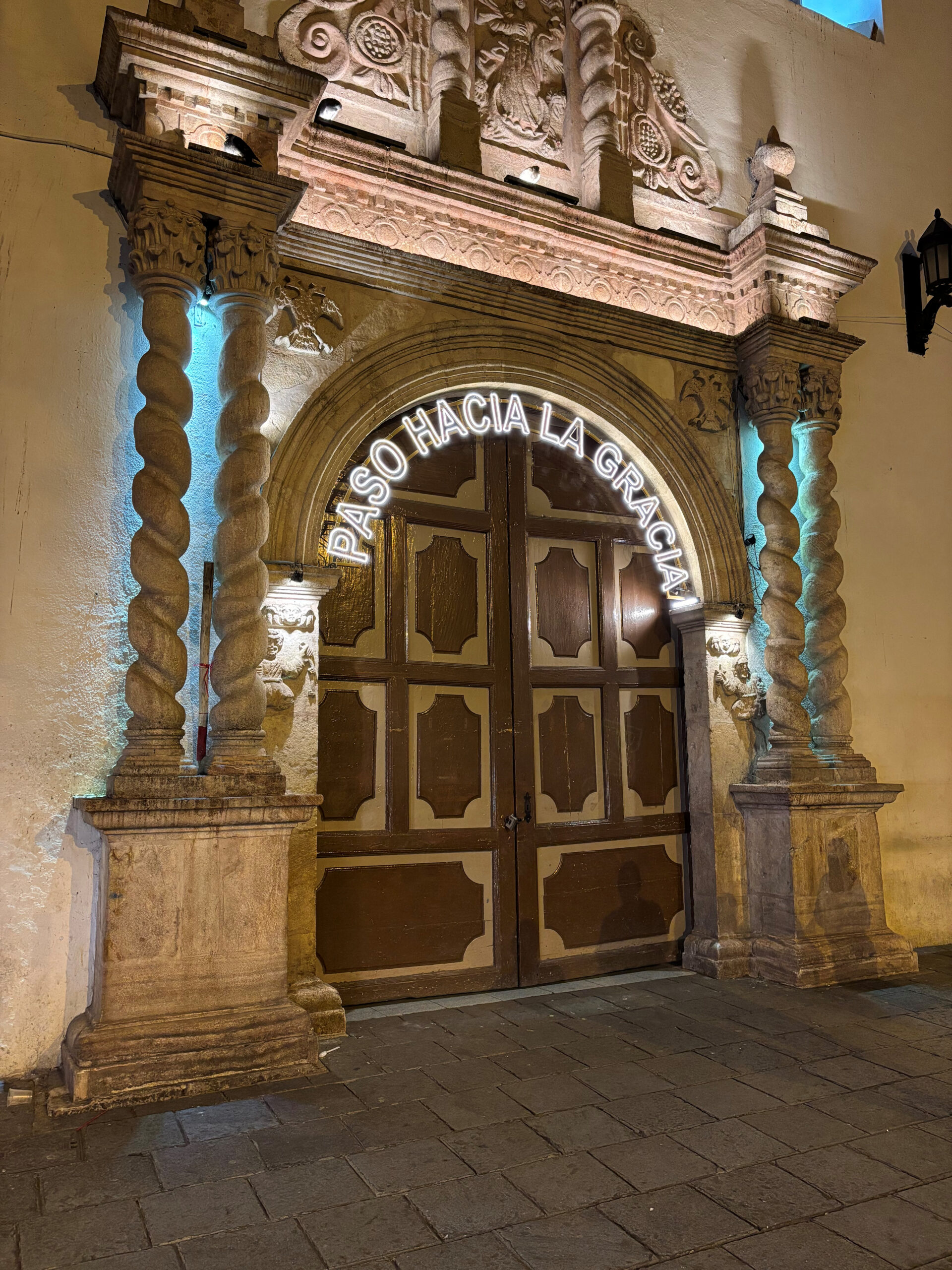
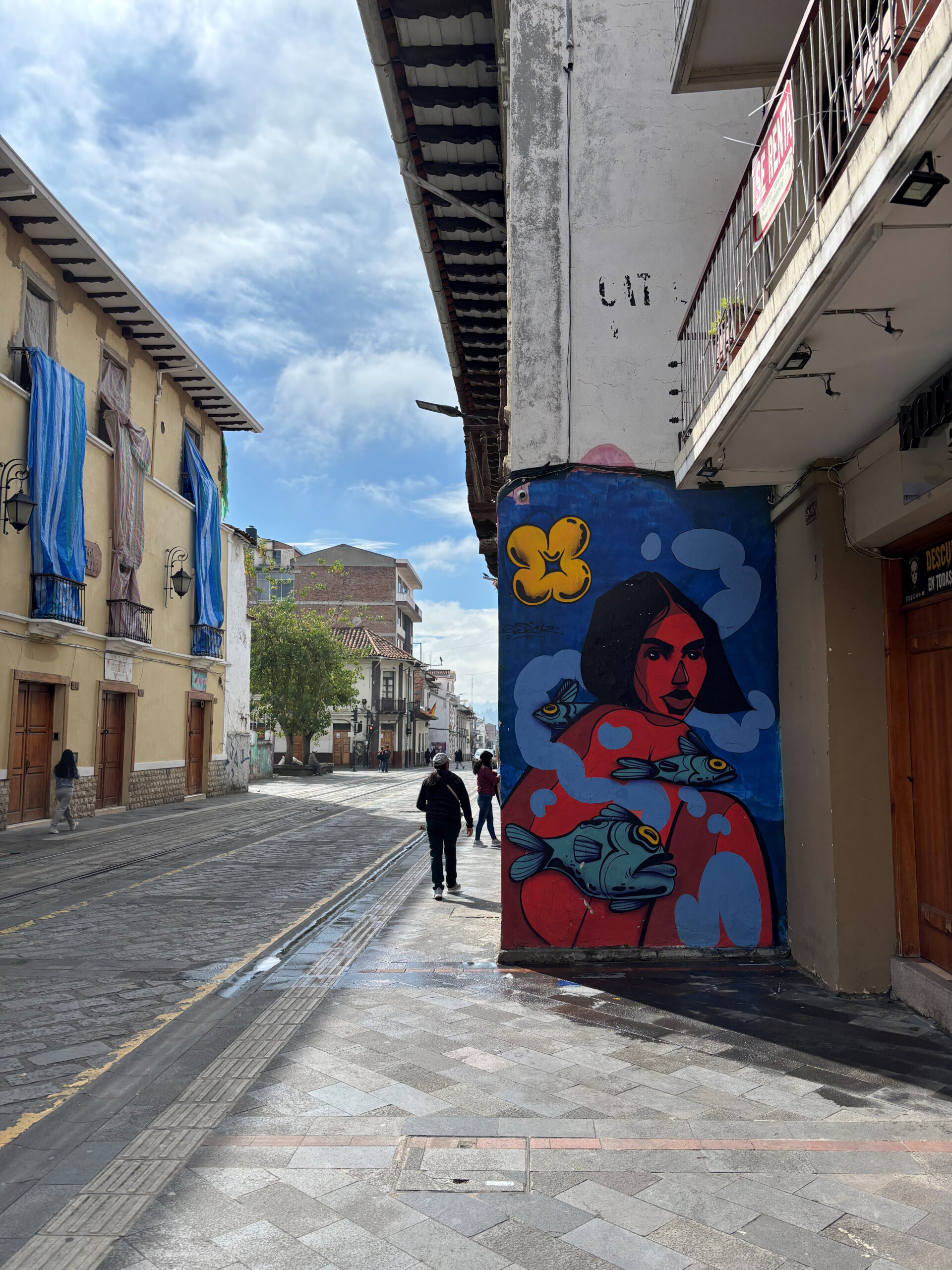
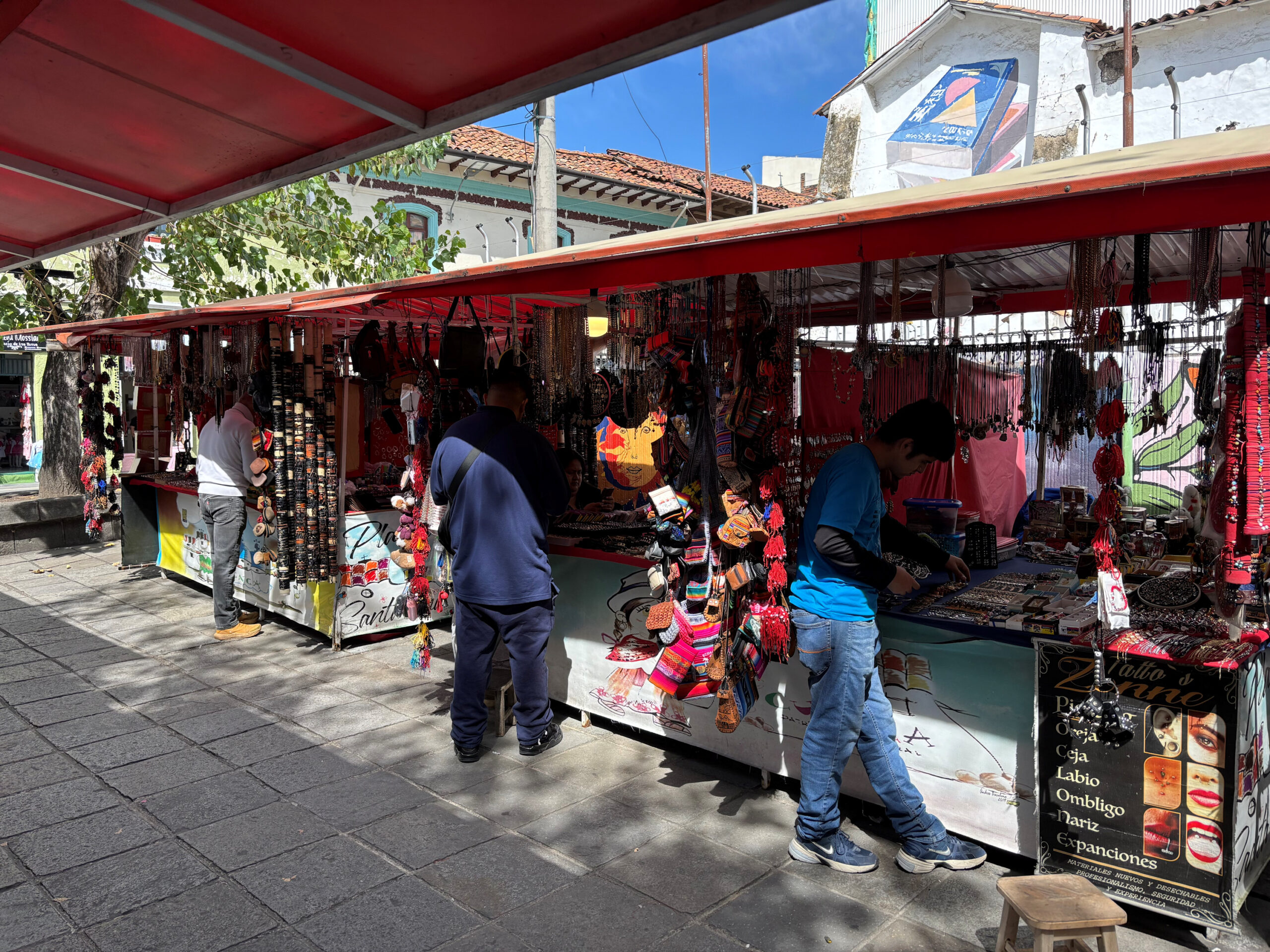
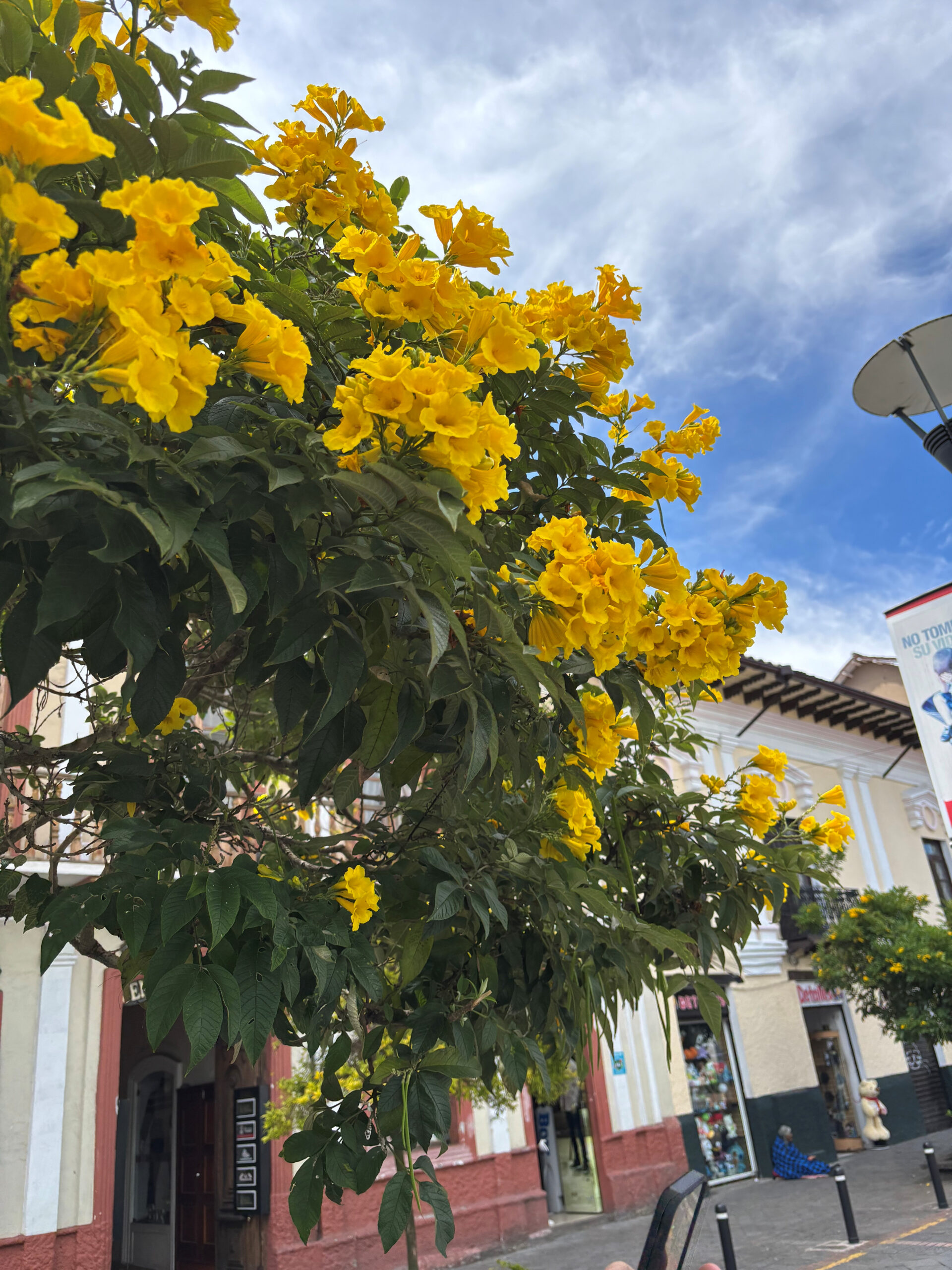
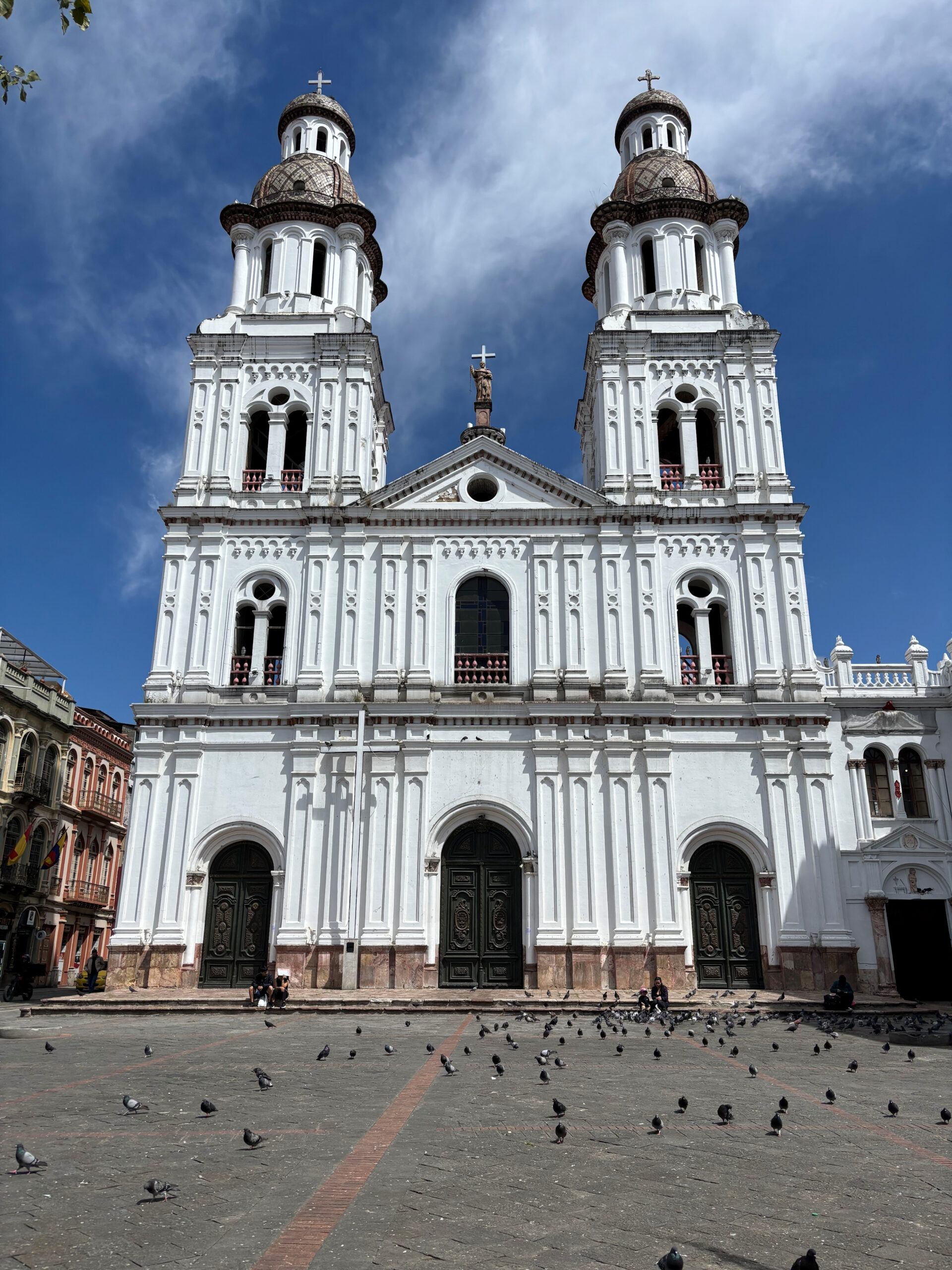
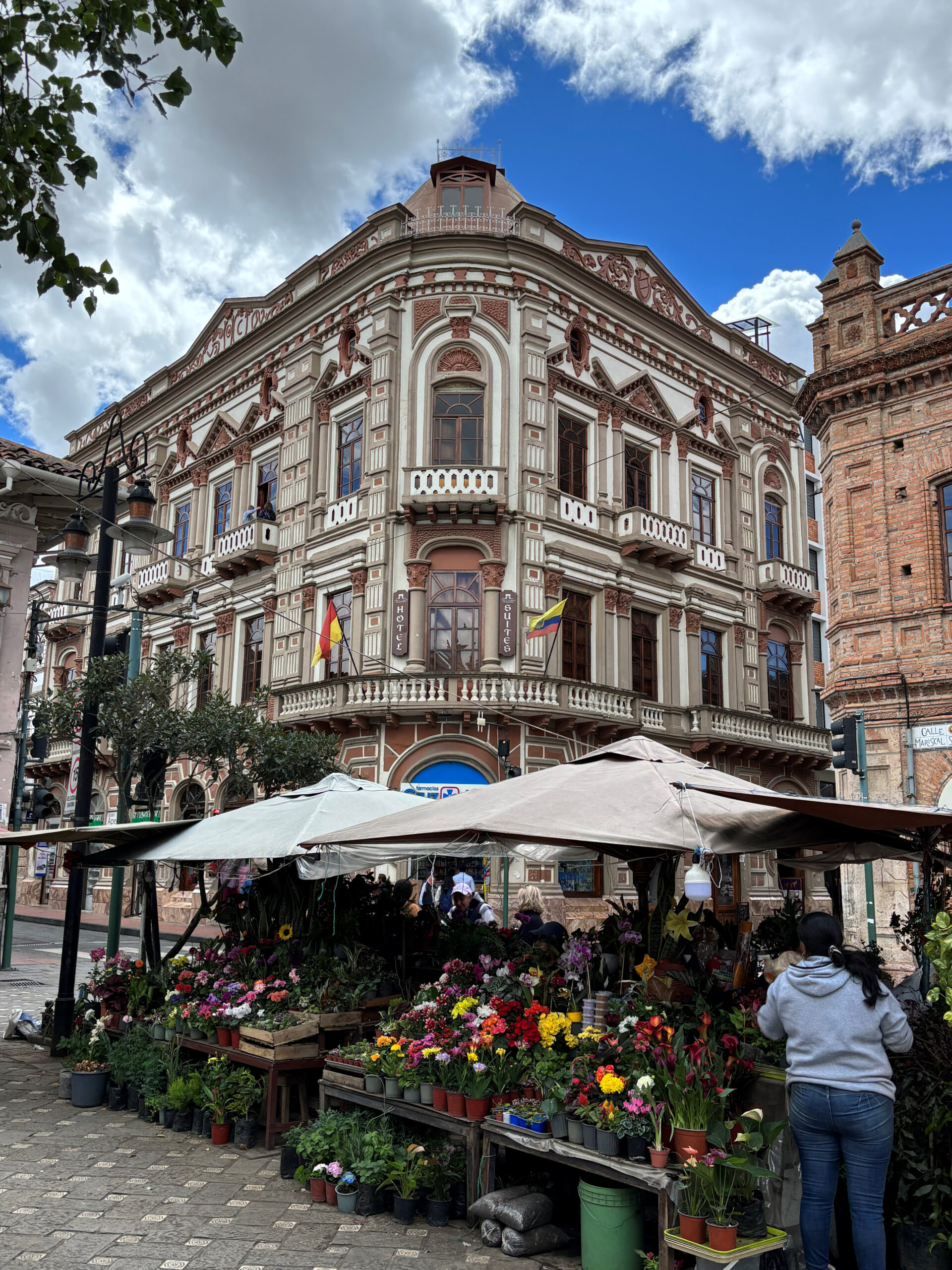
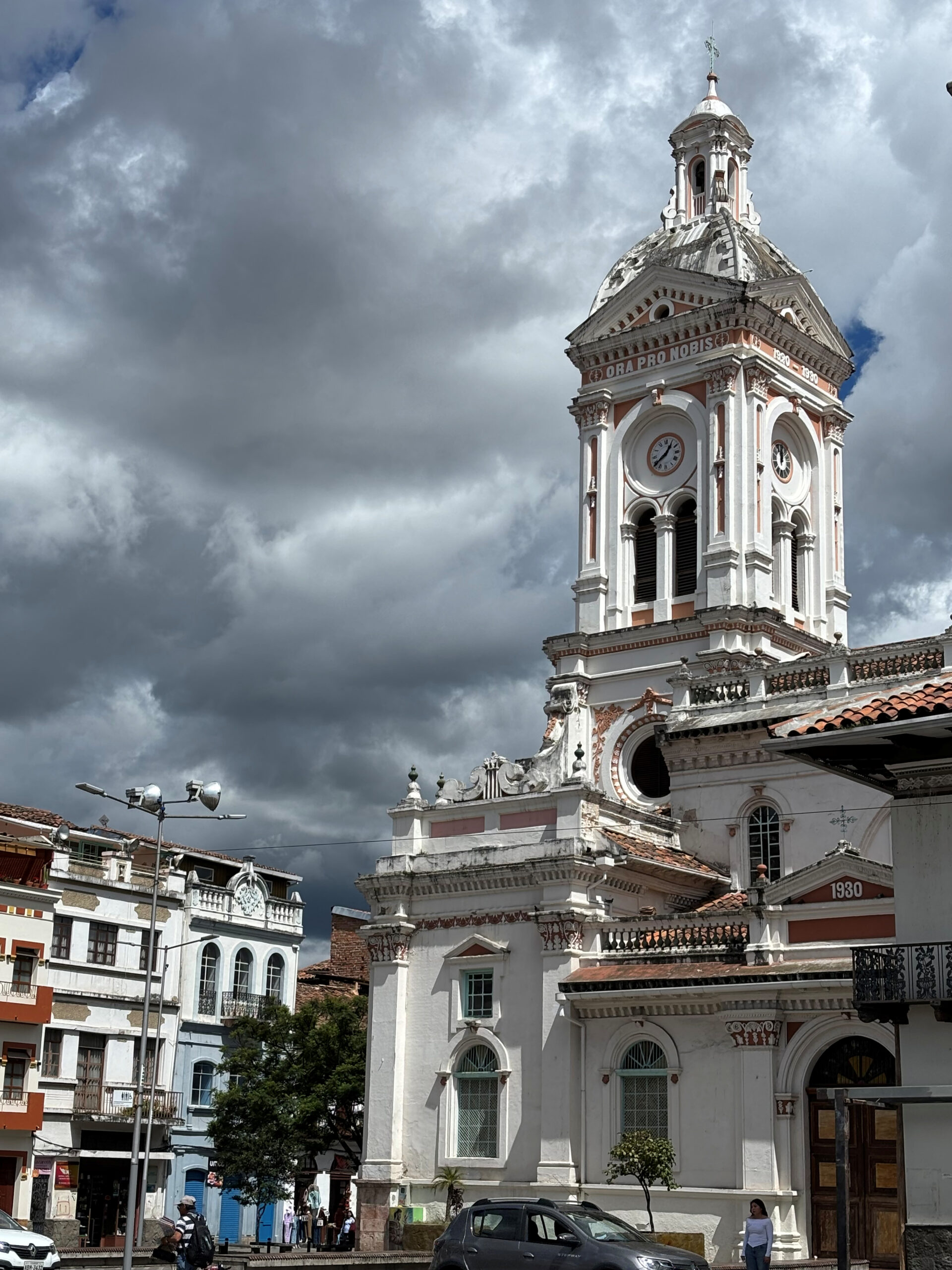
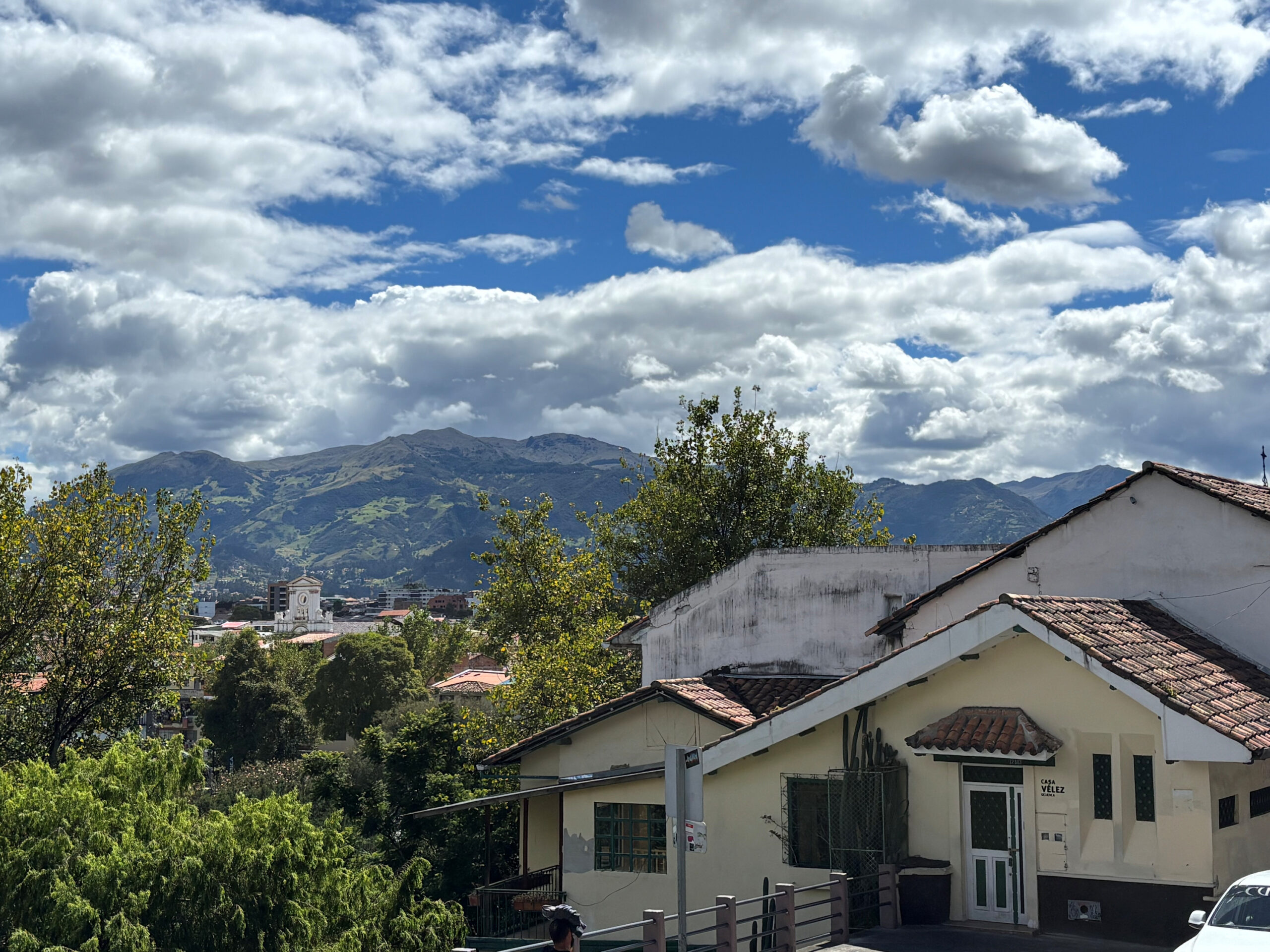
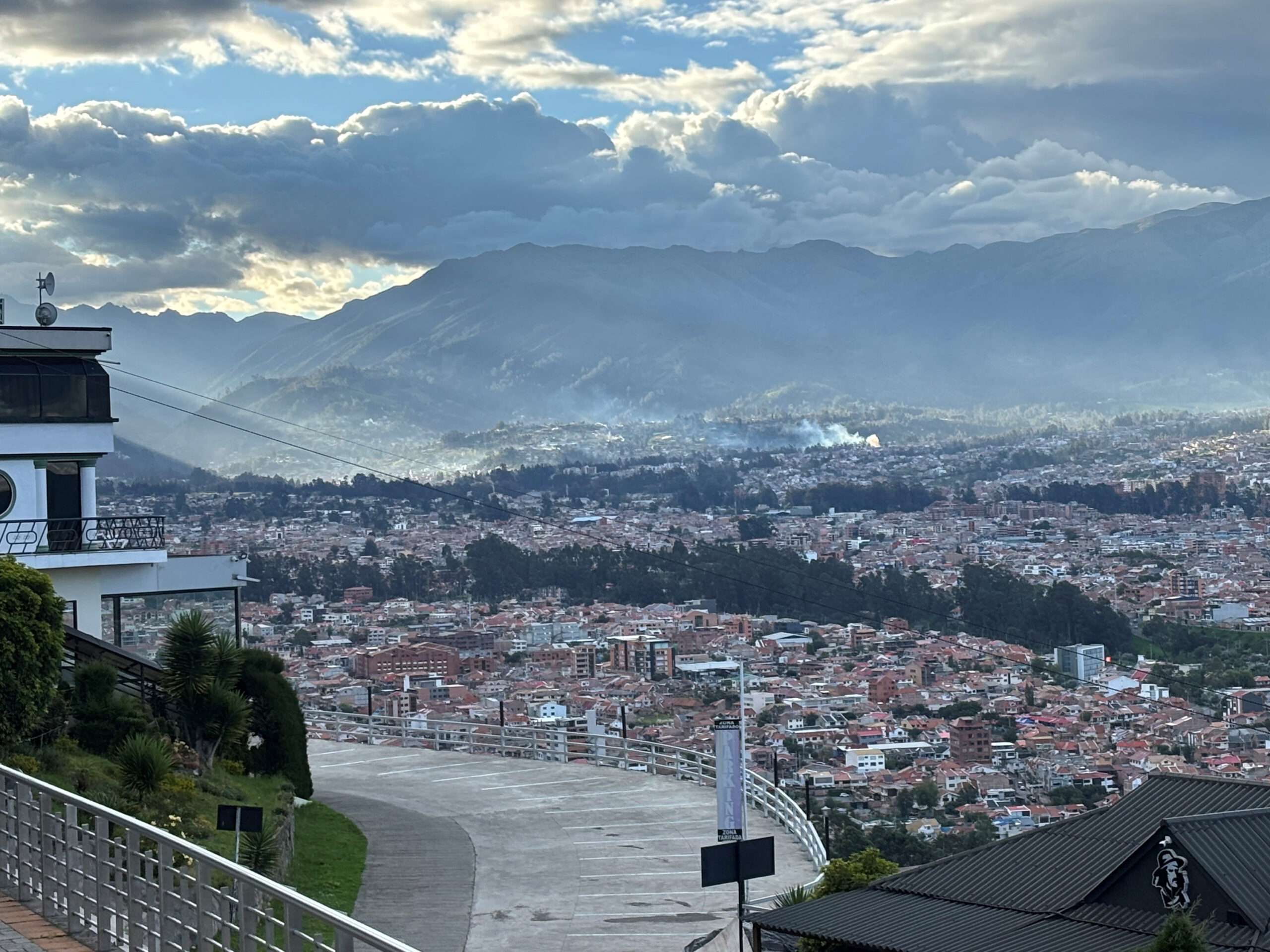
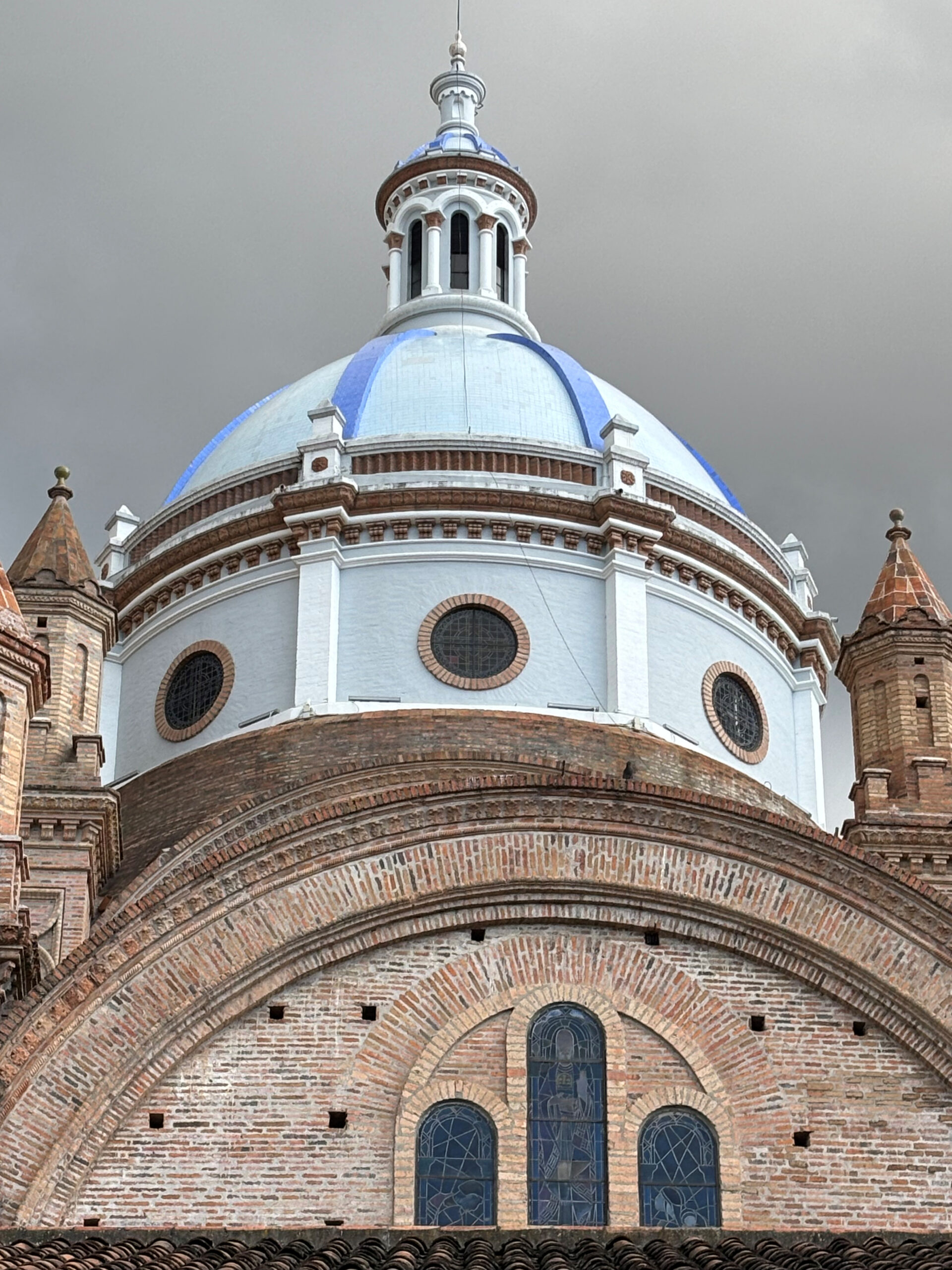
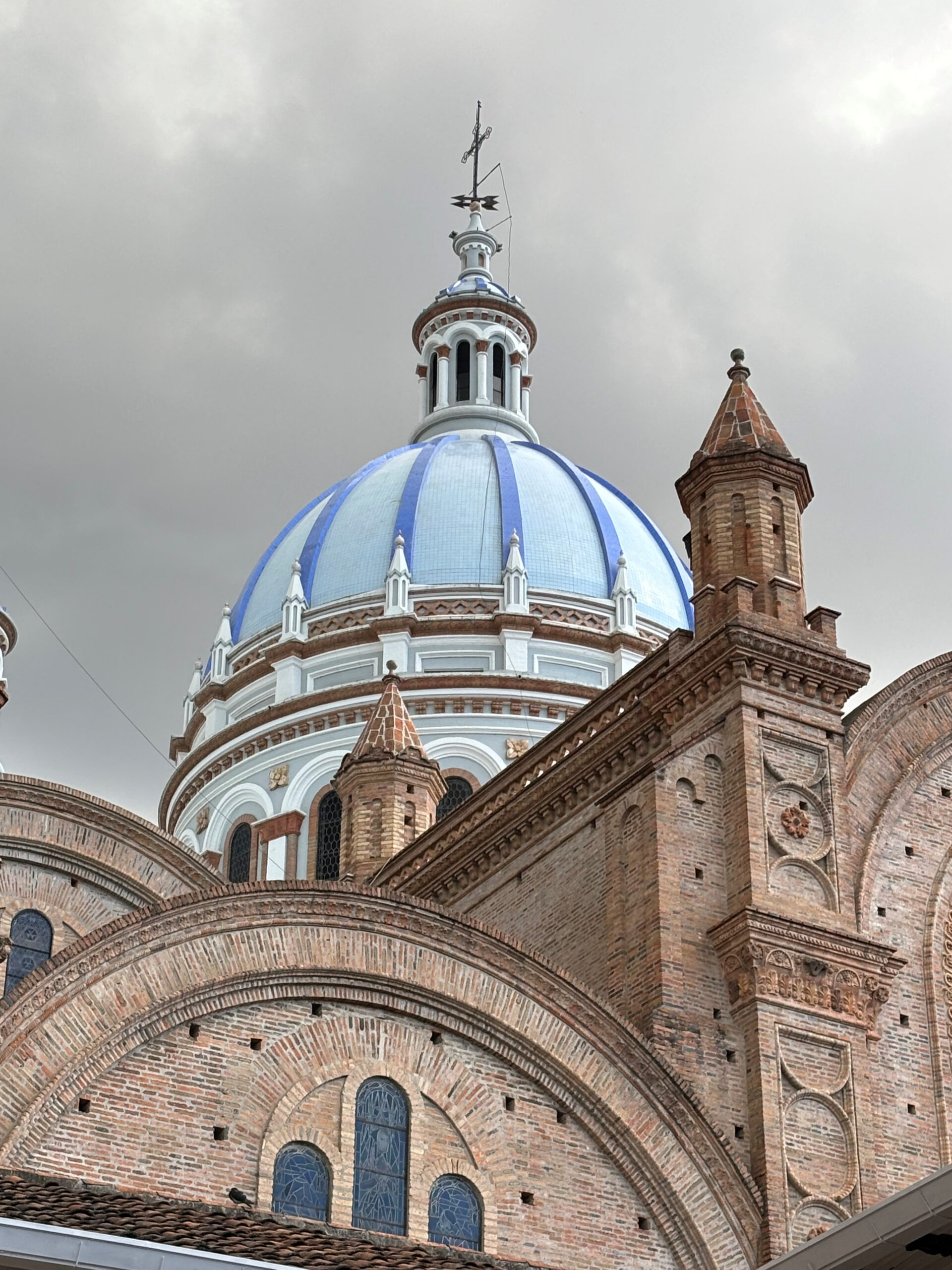
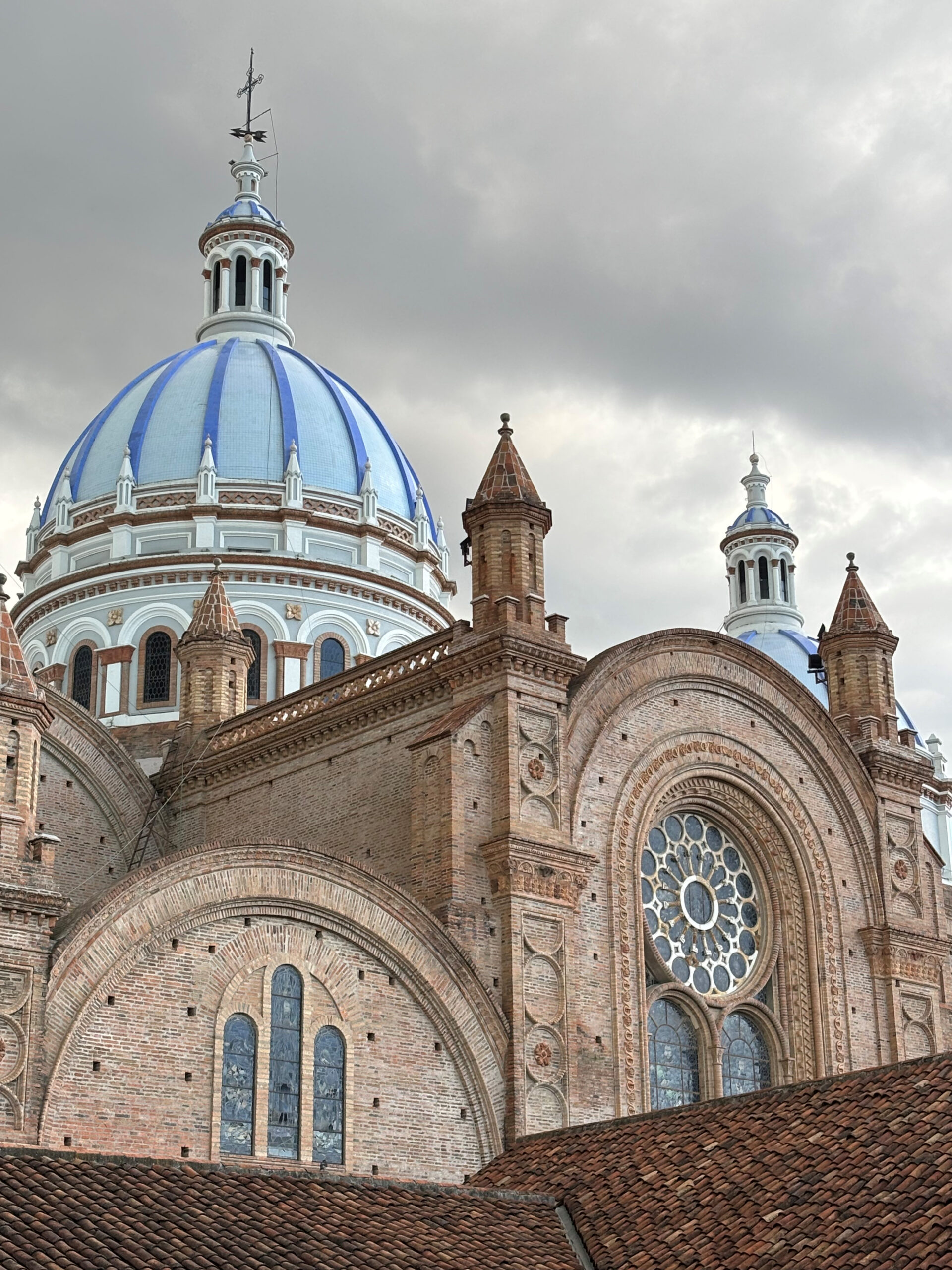
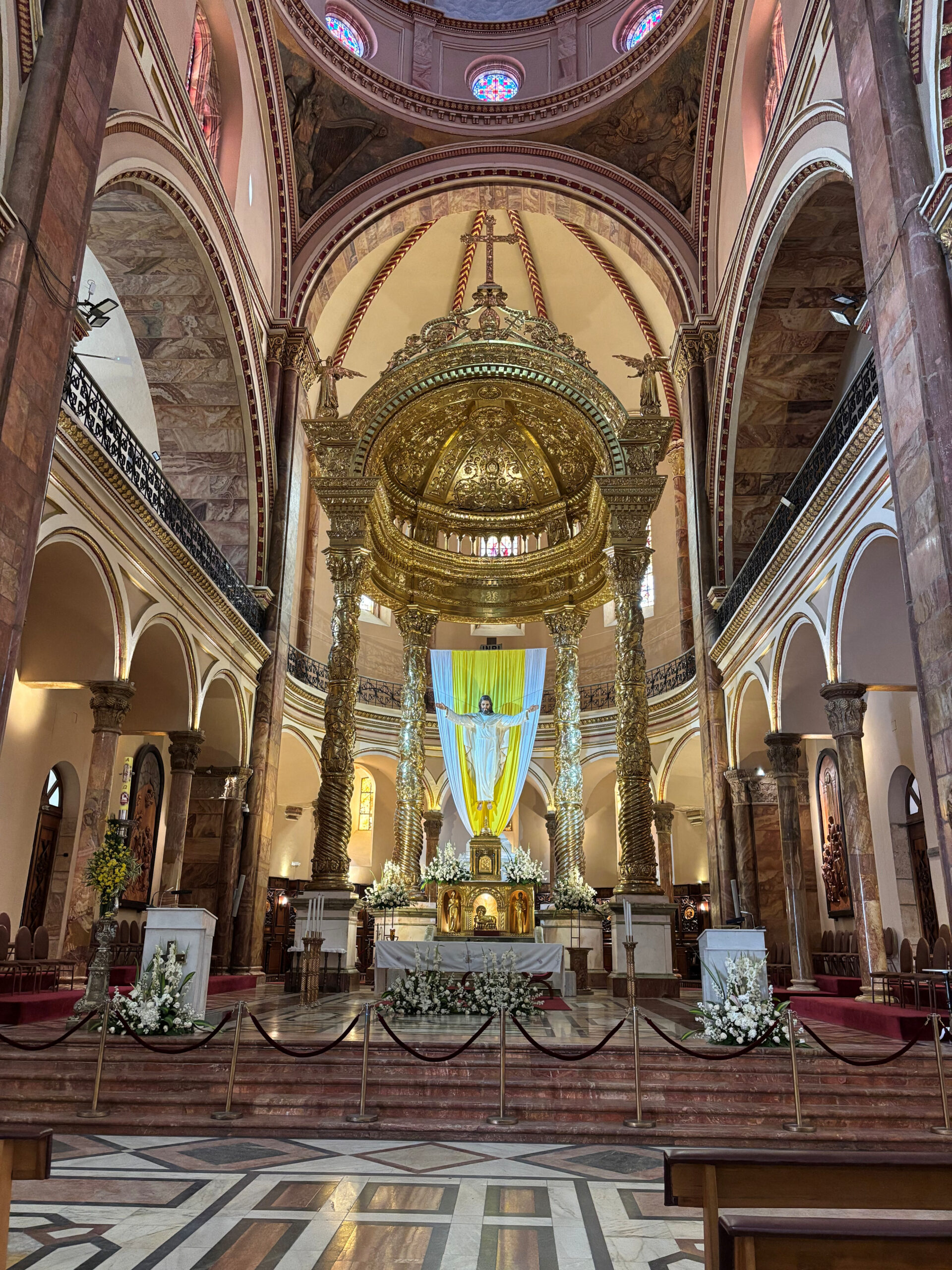
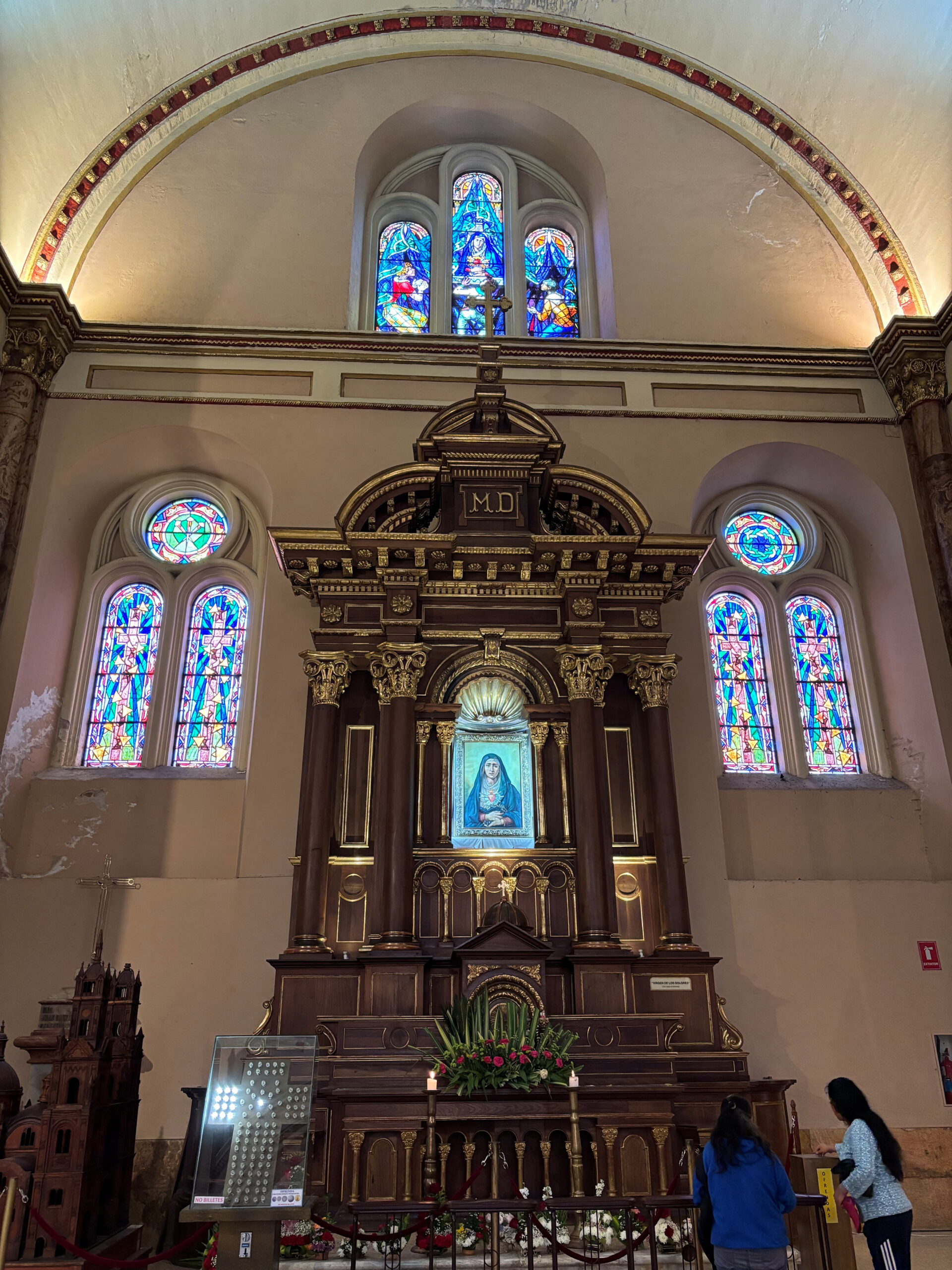
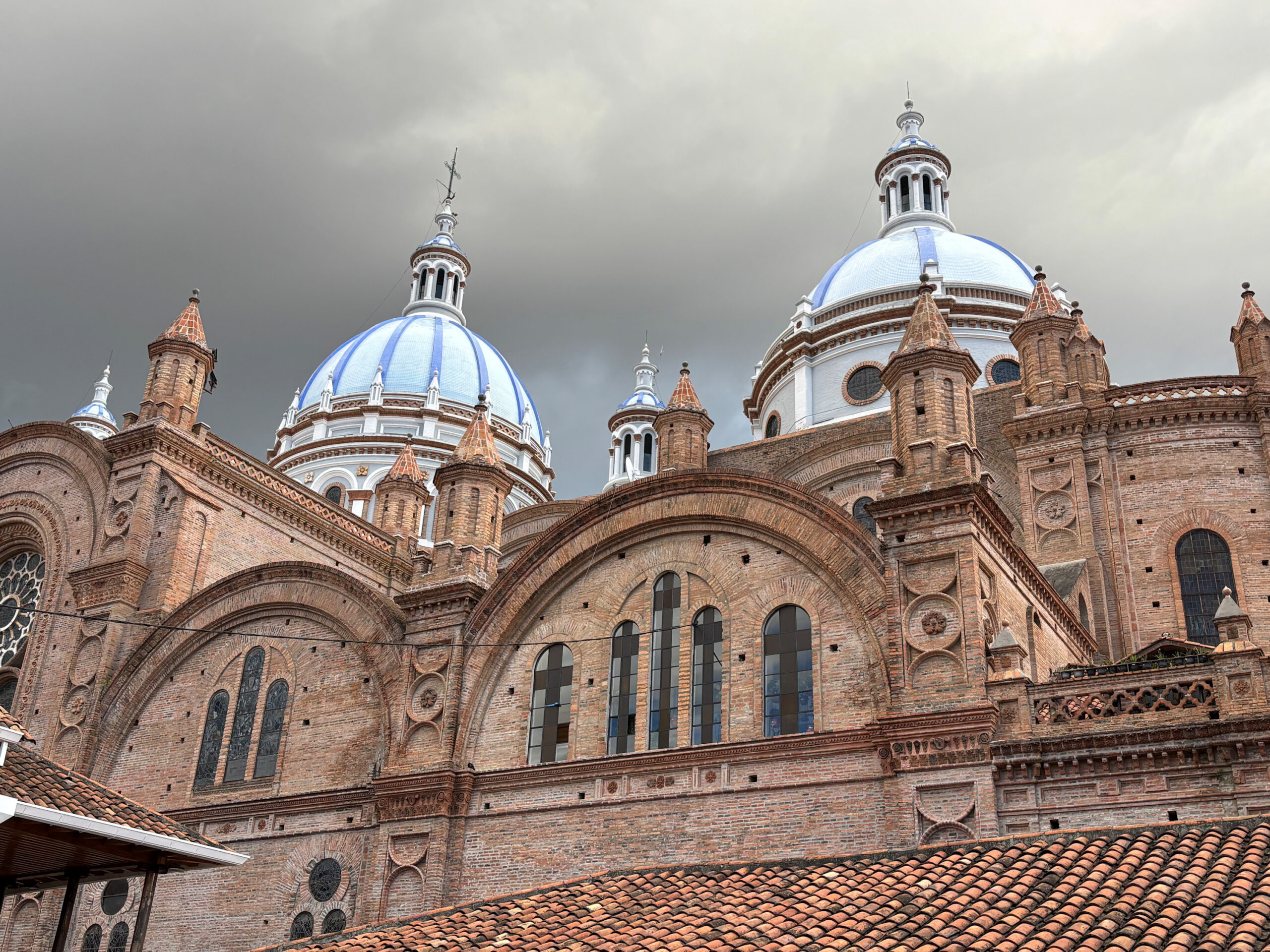
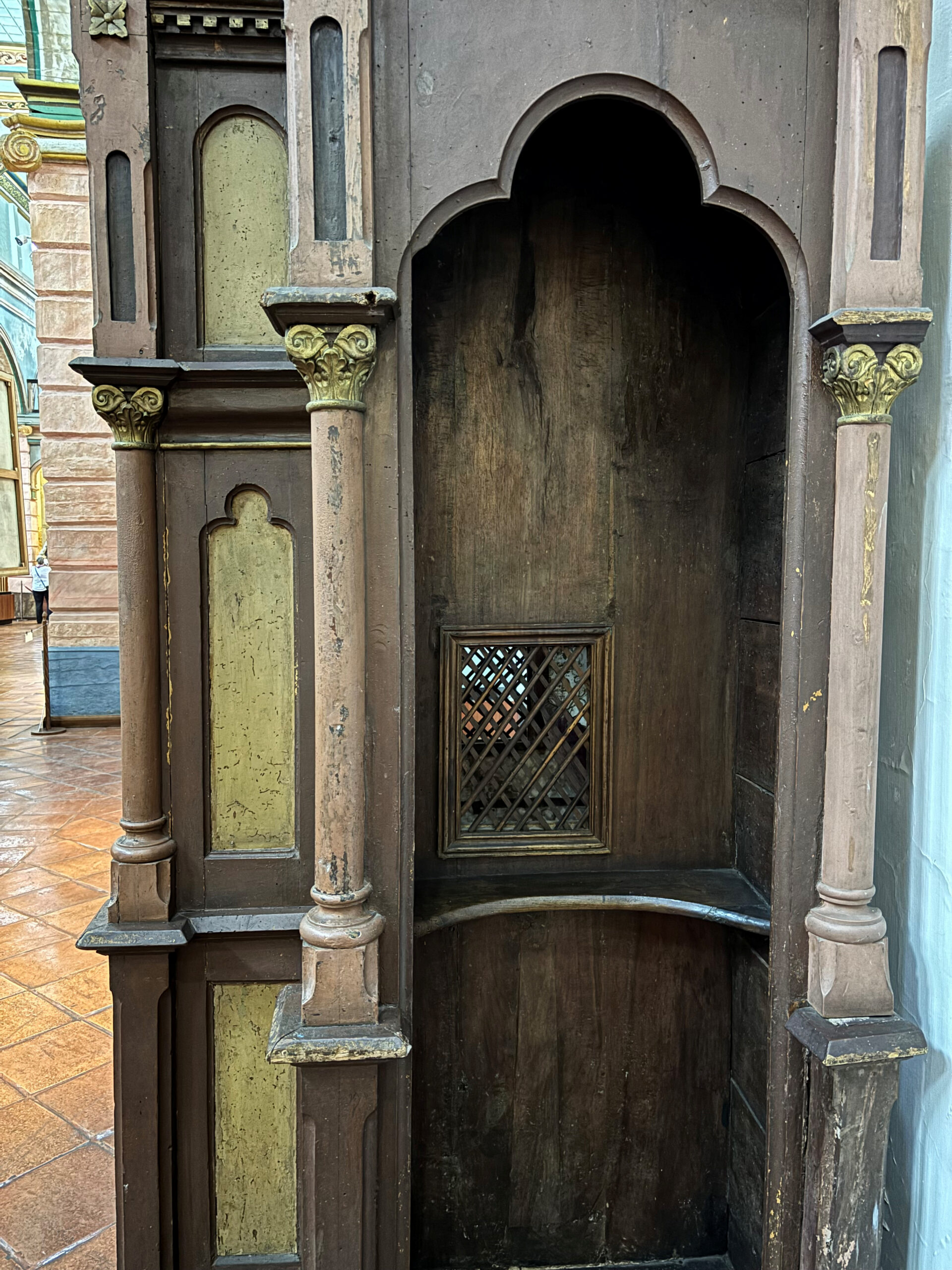
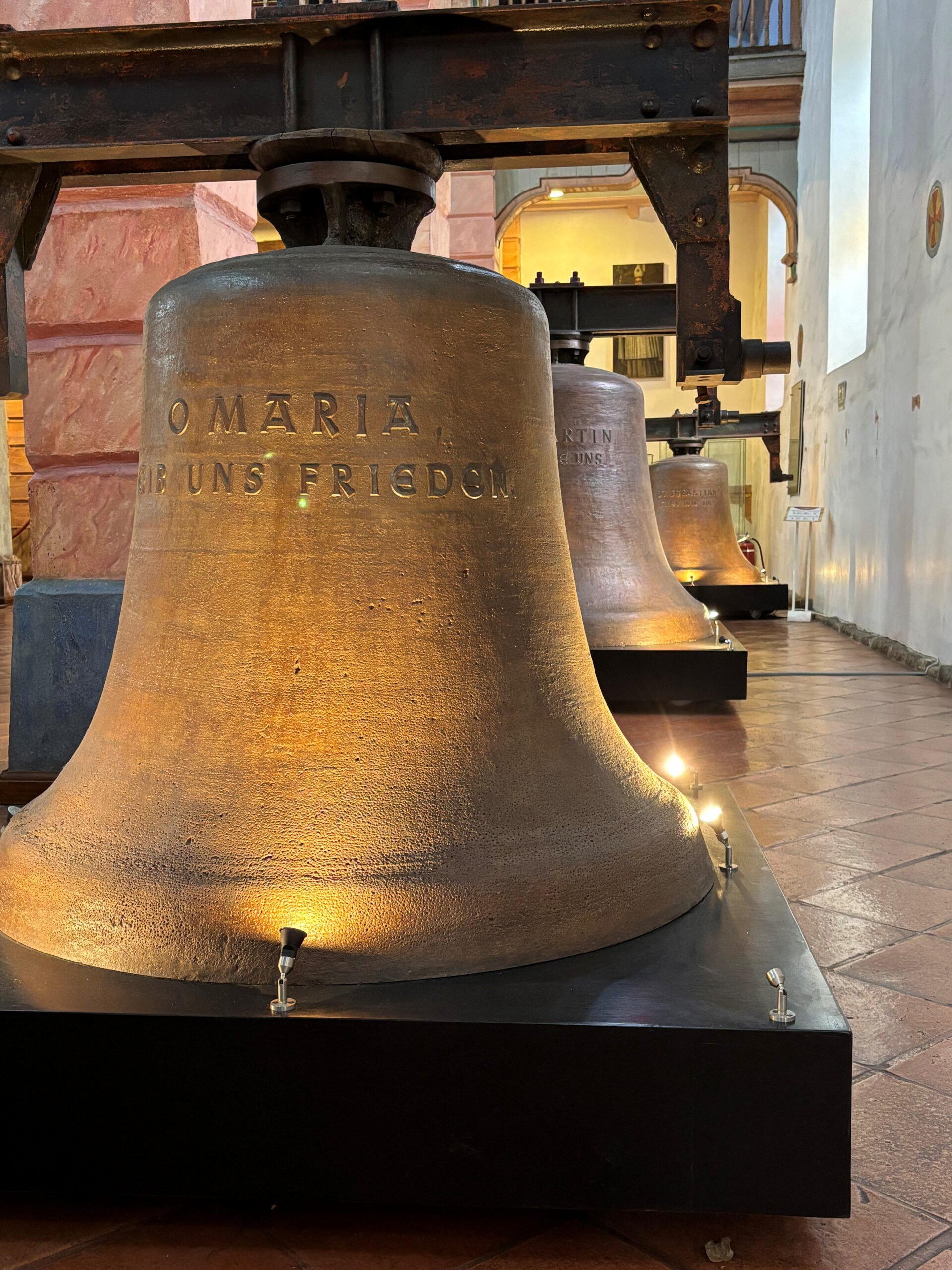
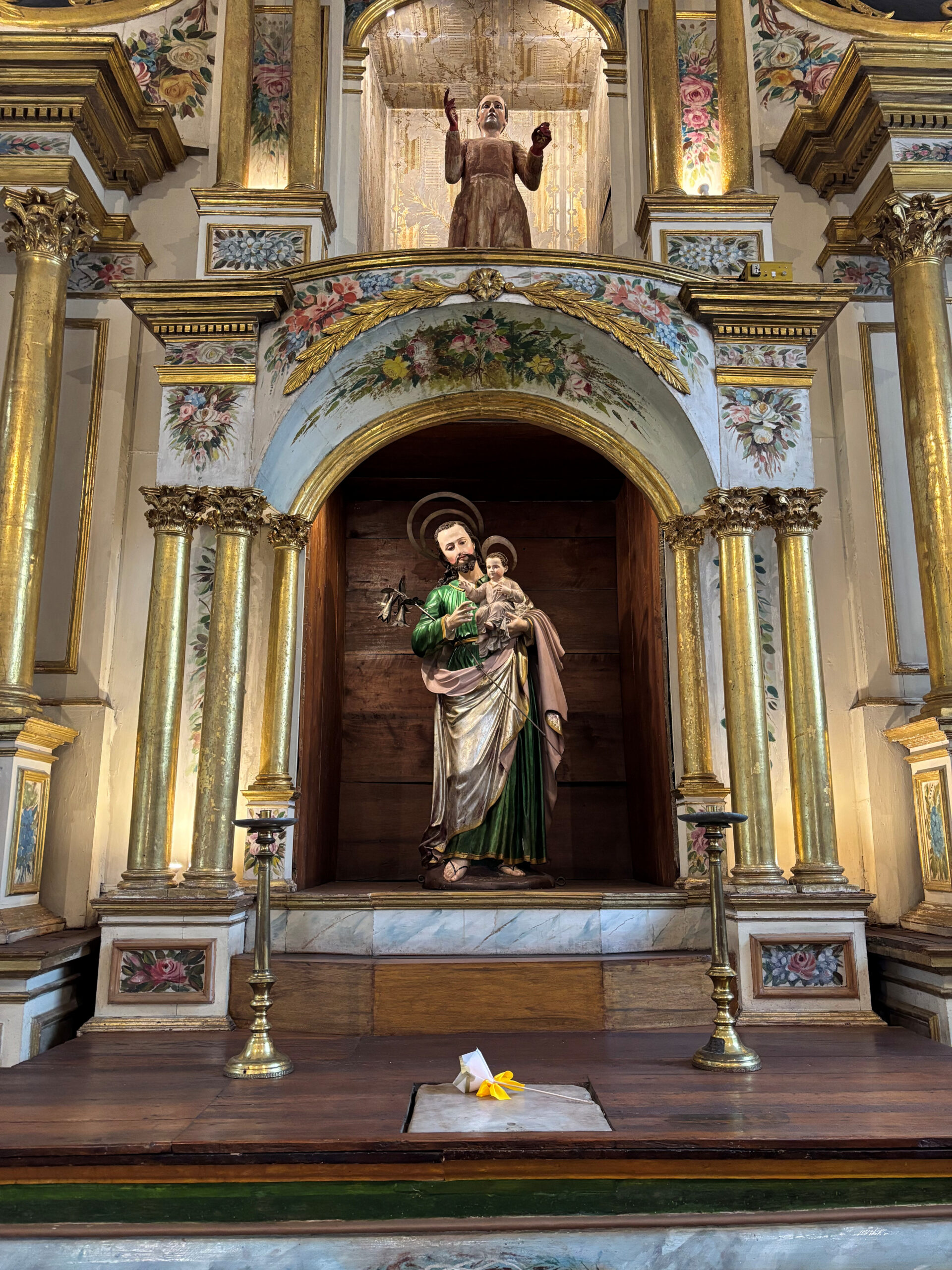
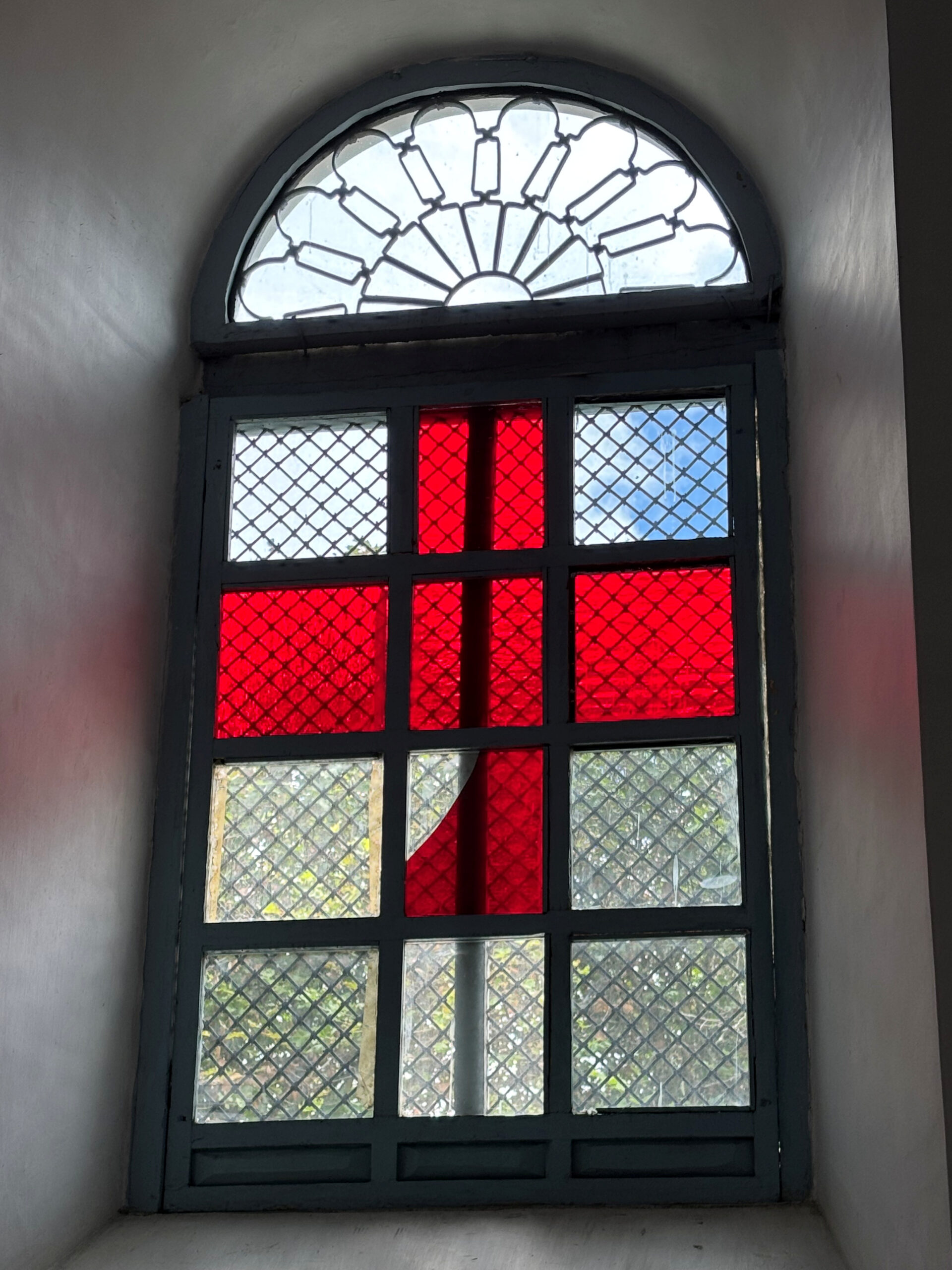
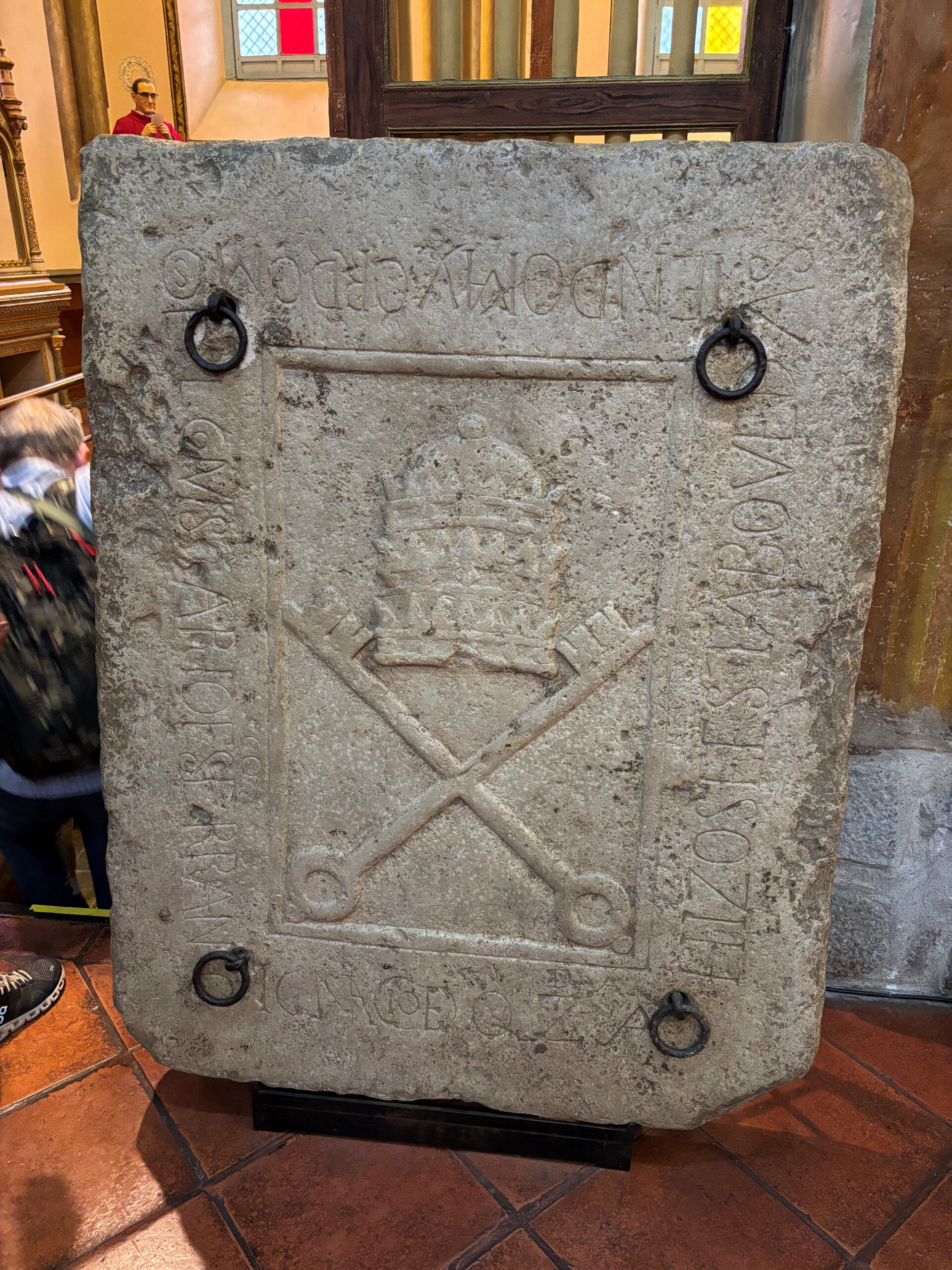
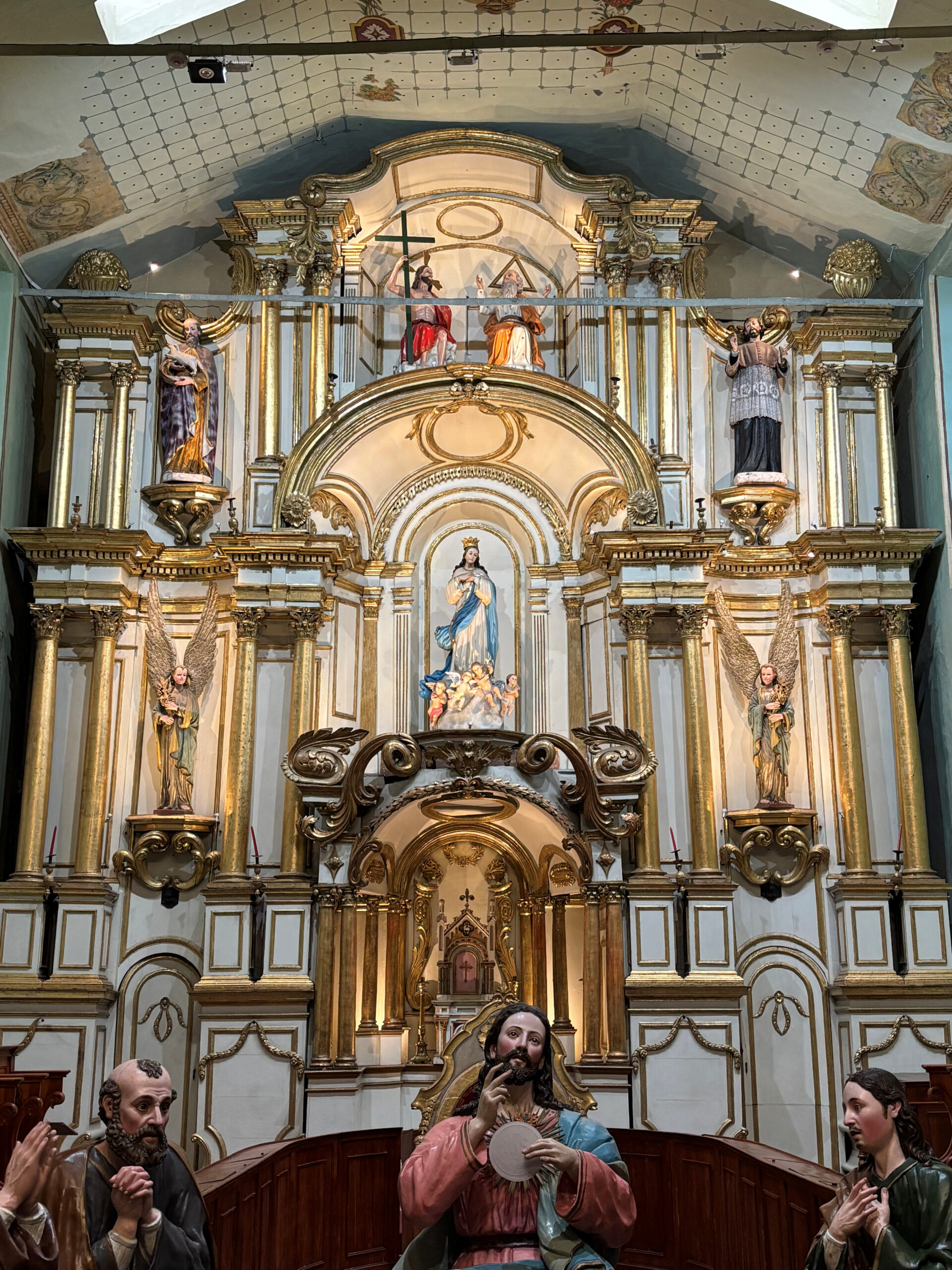
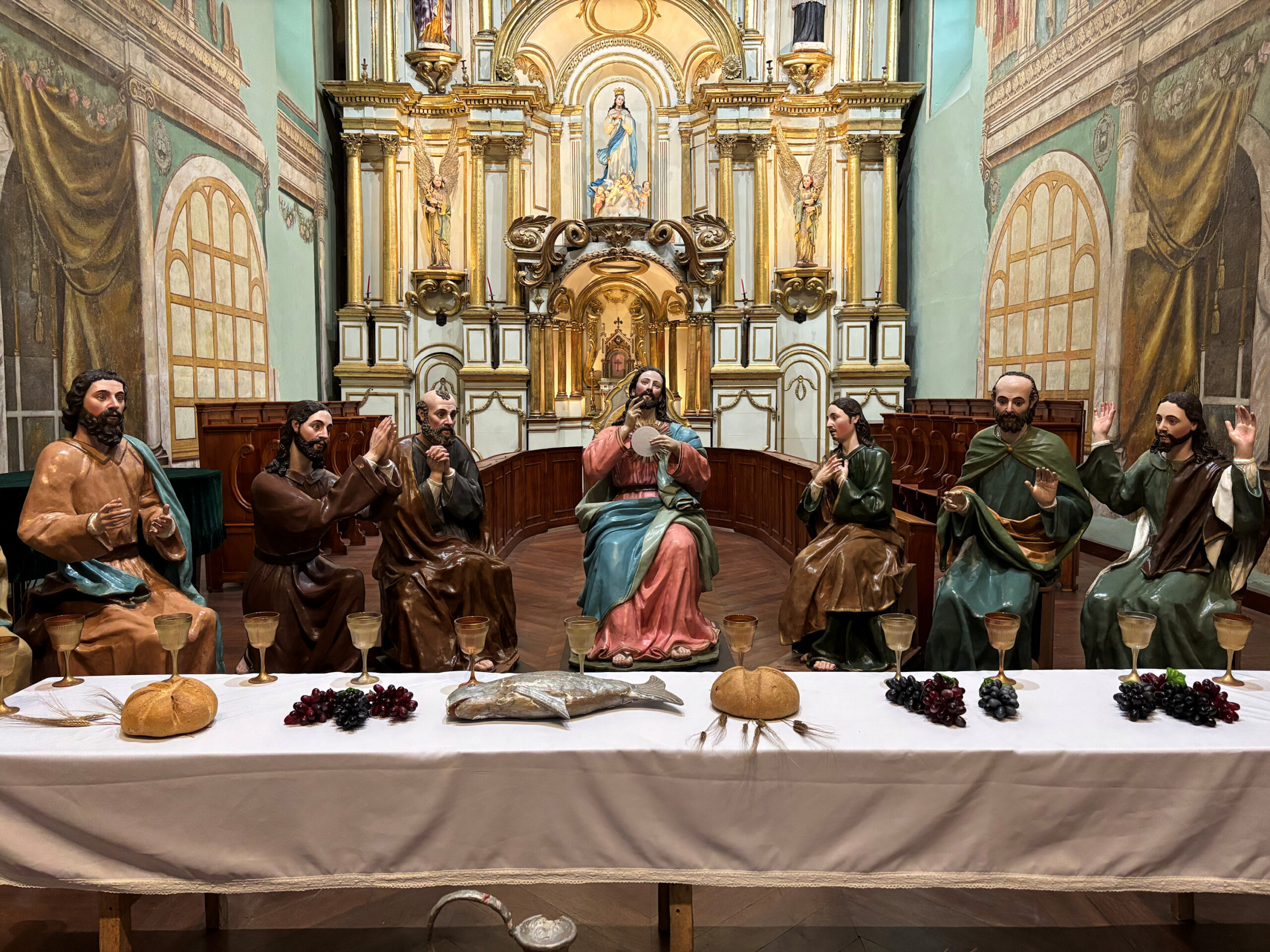
We spent our last days in beautiful Cuenca, which is surrounded by Andes mountains and rich in architecture, especially with its numerous cathedrals. During our stay here we got tours of two of the most gorgeous cathedrals, the absolutely stunning soft-blue-domed Catedral Nueva and the Iglesia de El Sagrario (Old Cathedral). Here are some views from the city and both of these tours.
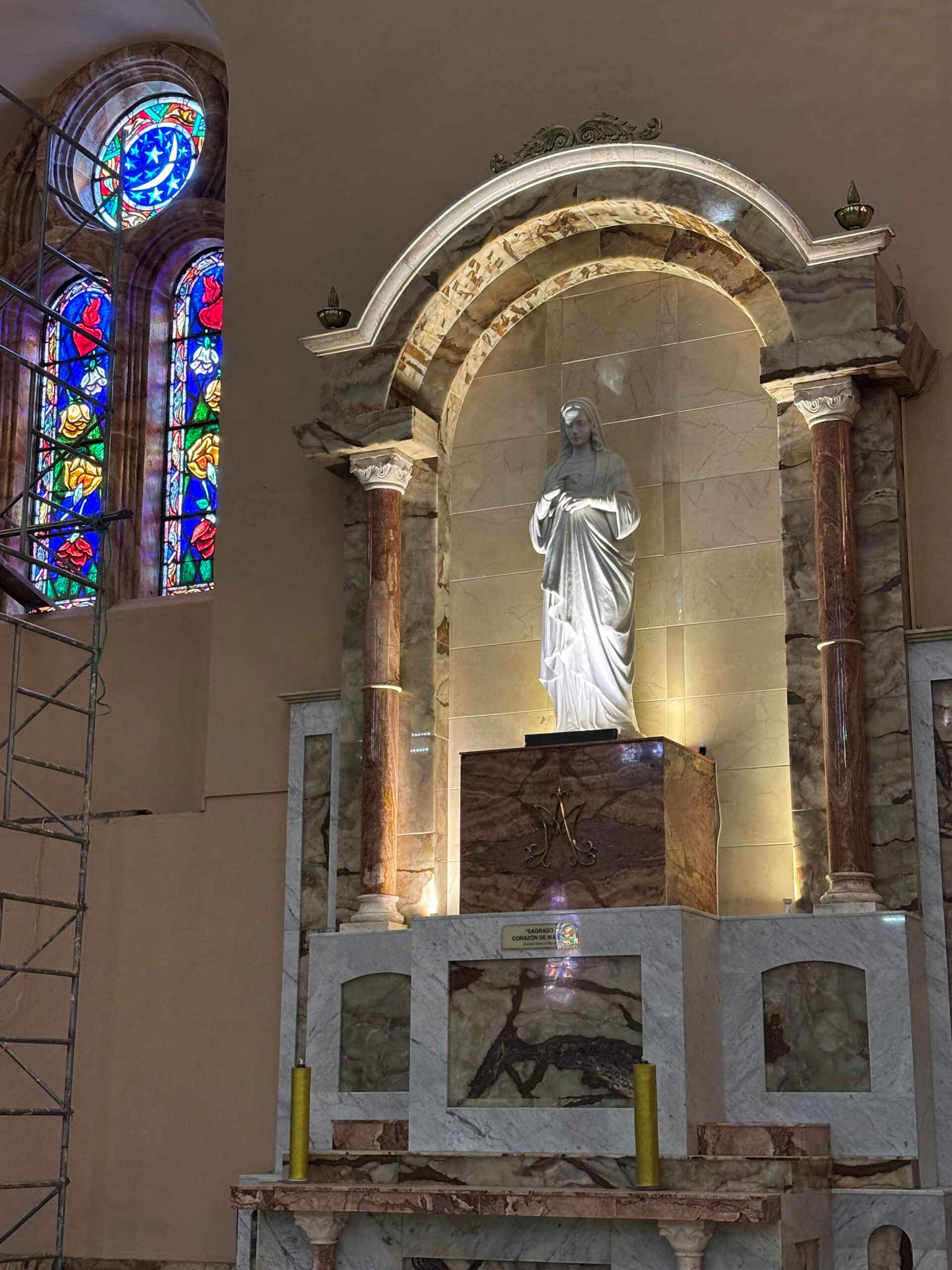
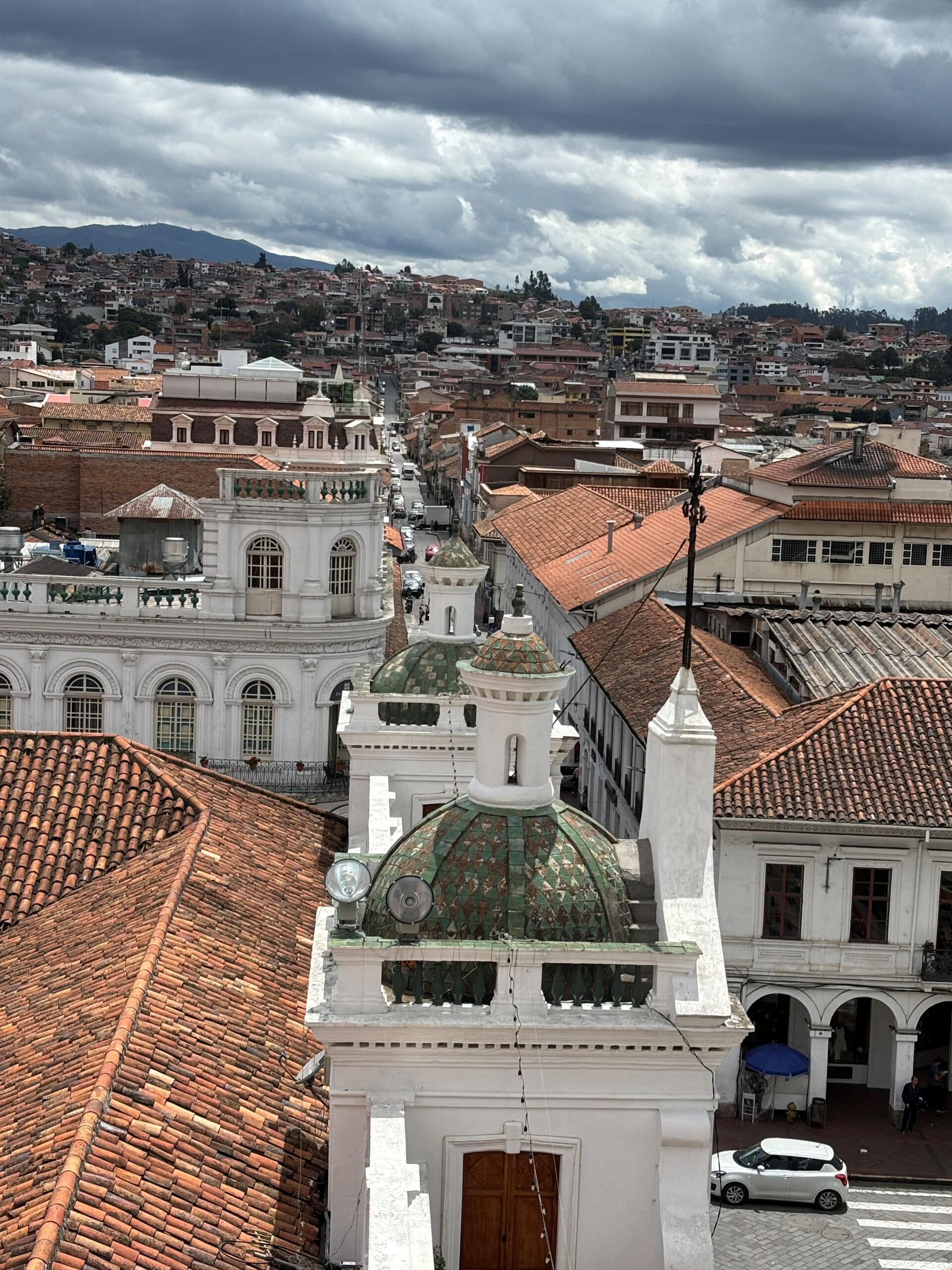
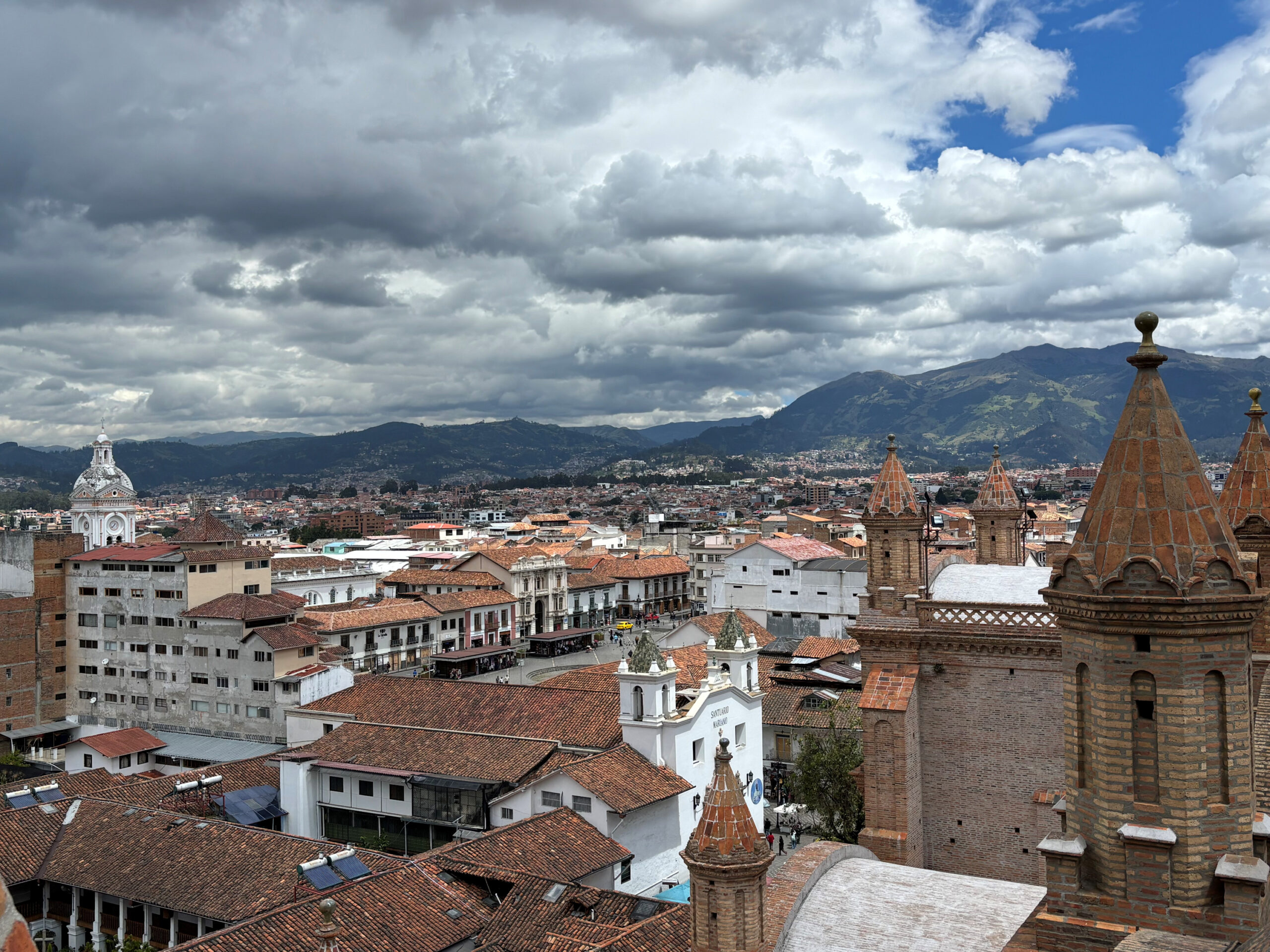
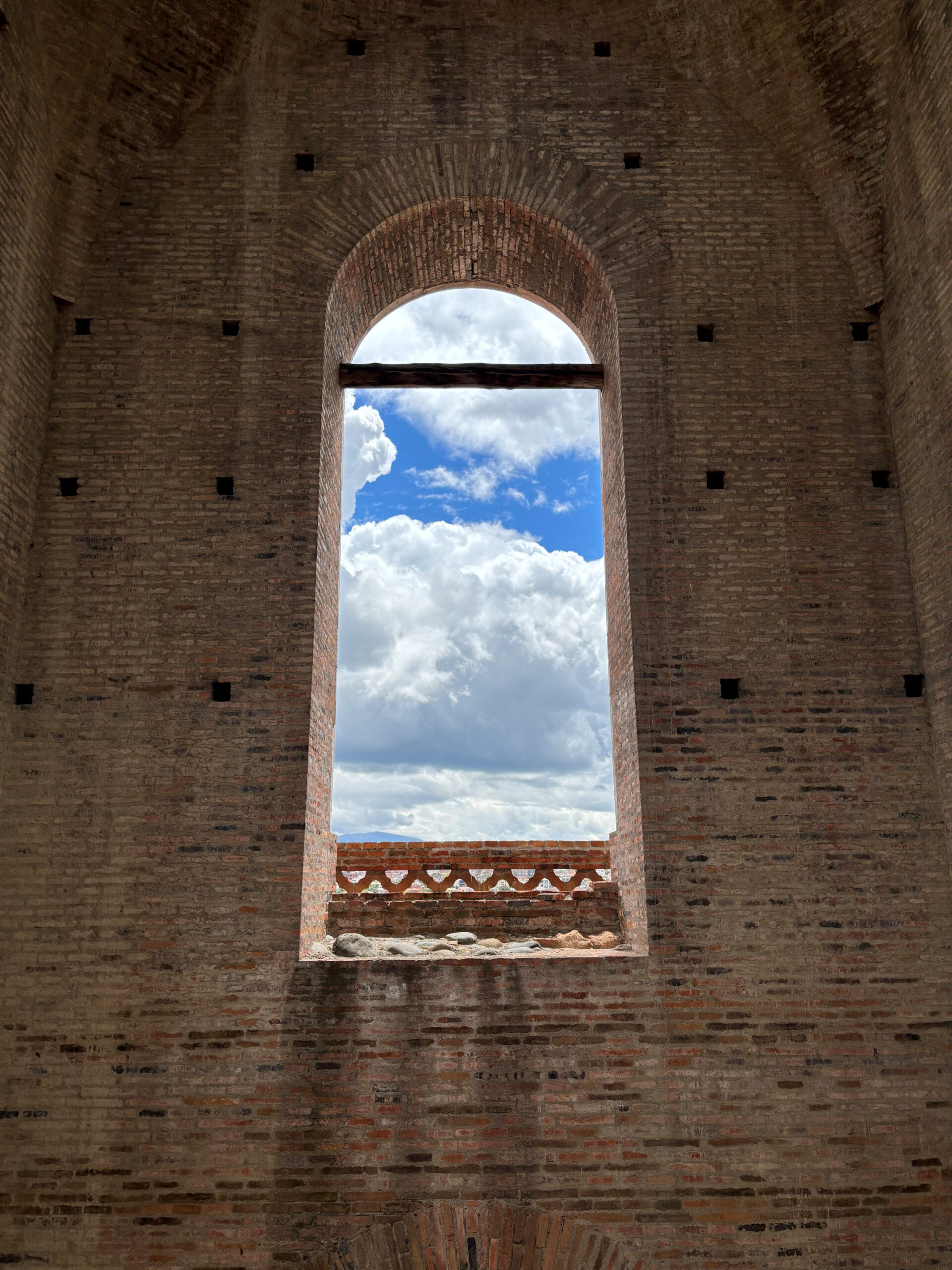
While I was there, I got some helpful cultural tips from different people that may come in handy if you visit the area. I’m not sure if this one is country-wide, but I was told not to say “adios” (after I had already been using it) in Ecuador because it can be a rude way to say goodbye, and something like “ciao” is better. As for restrooms, in most places toilet paper goes in the wastebasket and not in the toilet because their plumbing systems can’t handle it. And for many public bathrooms you have to bring your own toilet paper, so it’s always good to have some on hand because you never know when you will need it. As with many places, don’t drink the tap water if you’re not from there because it might have bacteria that you’re not used to; this means brushing your teeth with bottled water and being mindful of getting water in your mouth in the shower. And, as one of our hosts reminded us at the very beginning of the trip, to remember that you are a foreigner in another country and to be respectful of the culture.