-
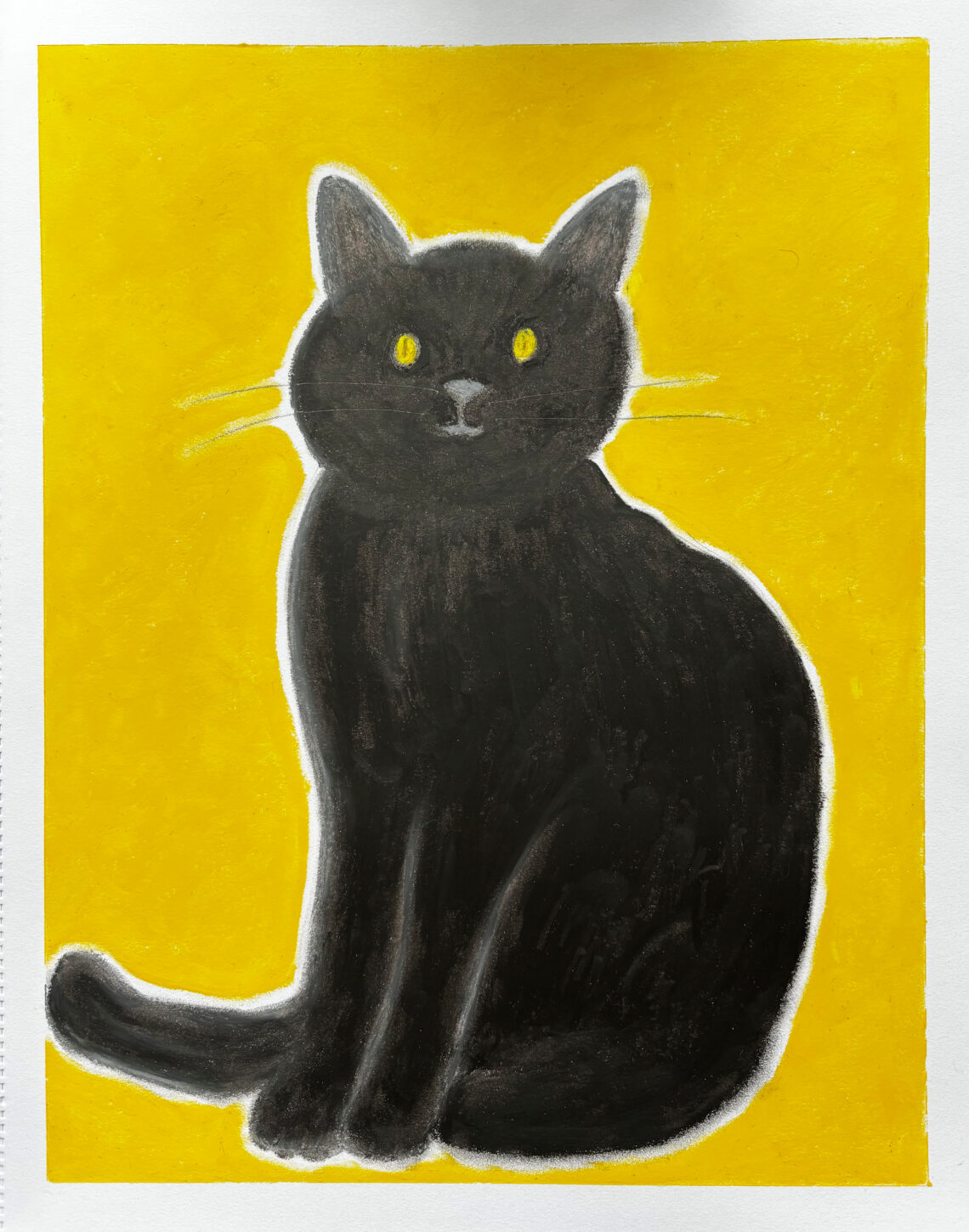
‘Black Cat’ Oil Pastel
-
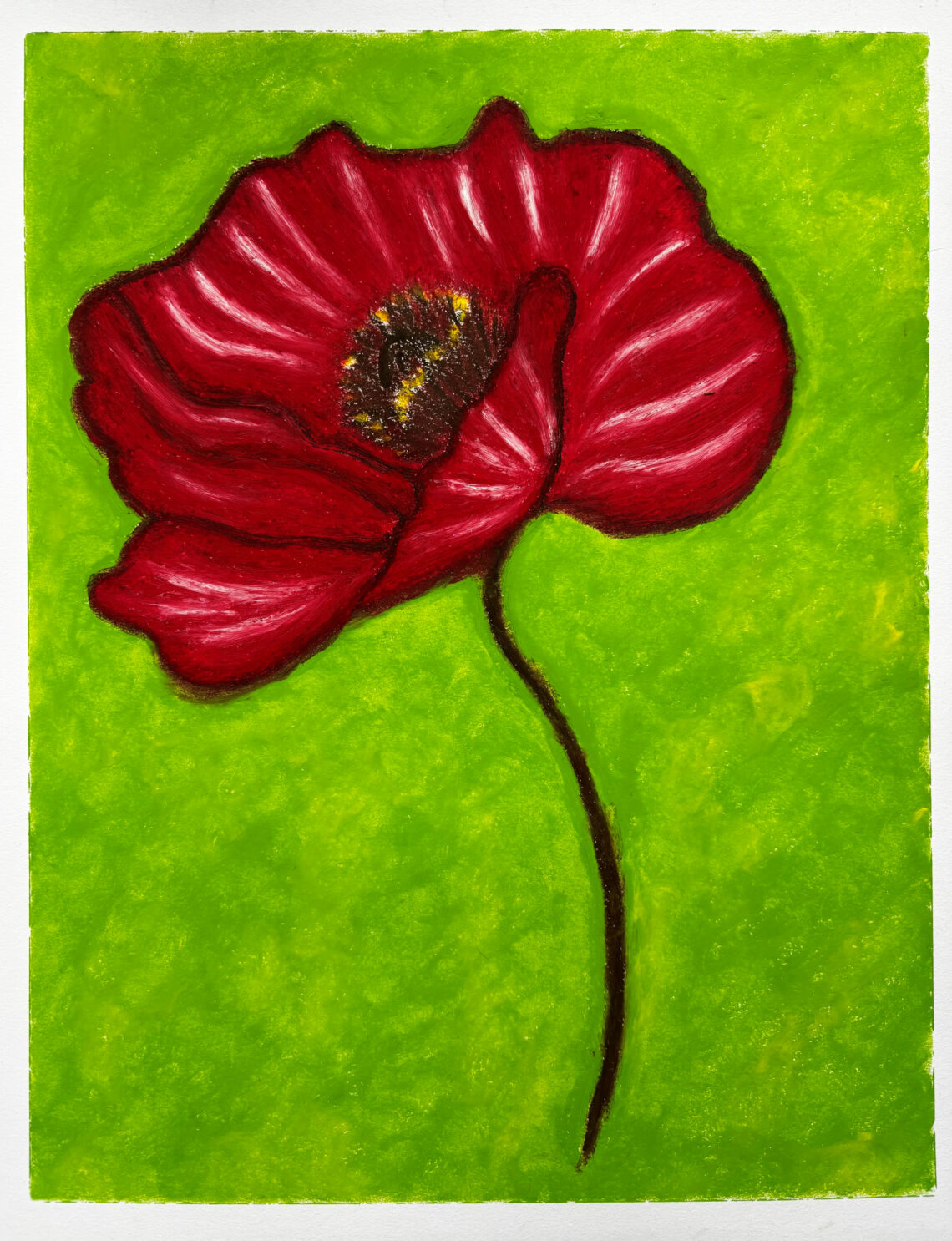
‘Poppy Flower’ Oil Pastel
-
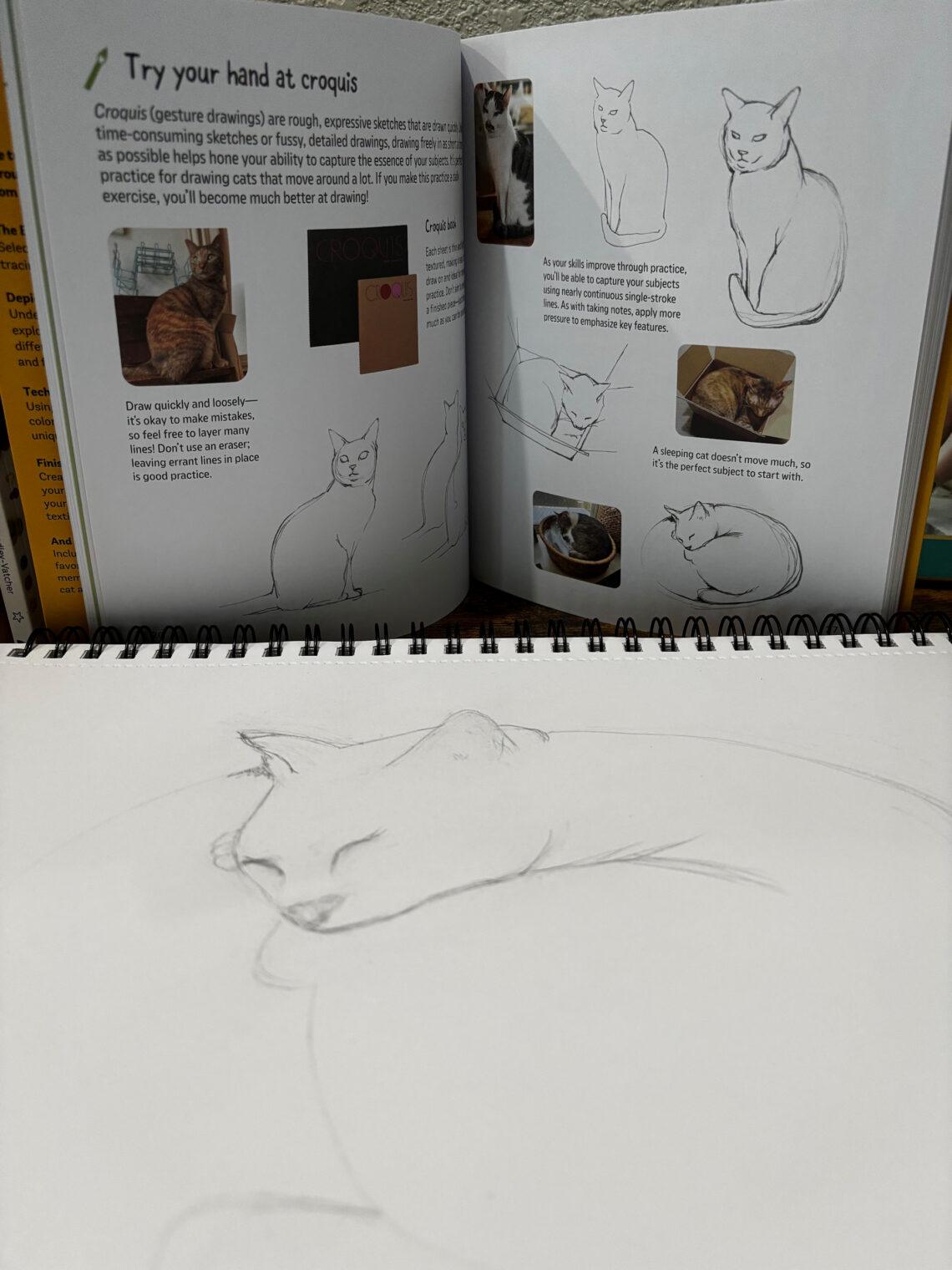
Drawing Cats
A couple of the original goals in My Curiouser and Curiouser List was to take different retreats, but I feel like I had too many of them on the list and I’ve found something that I would rather do instead, so I am switching them out. My daughter and I recently went book shopping and I found two drawing books that I want to work through, How to Draw Kawaii Cats and How to Draw Like Hokusai (one of my favorite artists). This will be my introduction to learning sketch drawing and a way to practice doing oil pastels on subjects I love at the same time. I’ve started by…
-
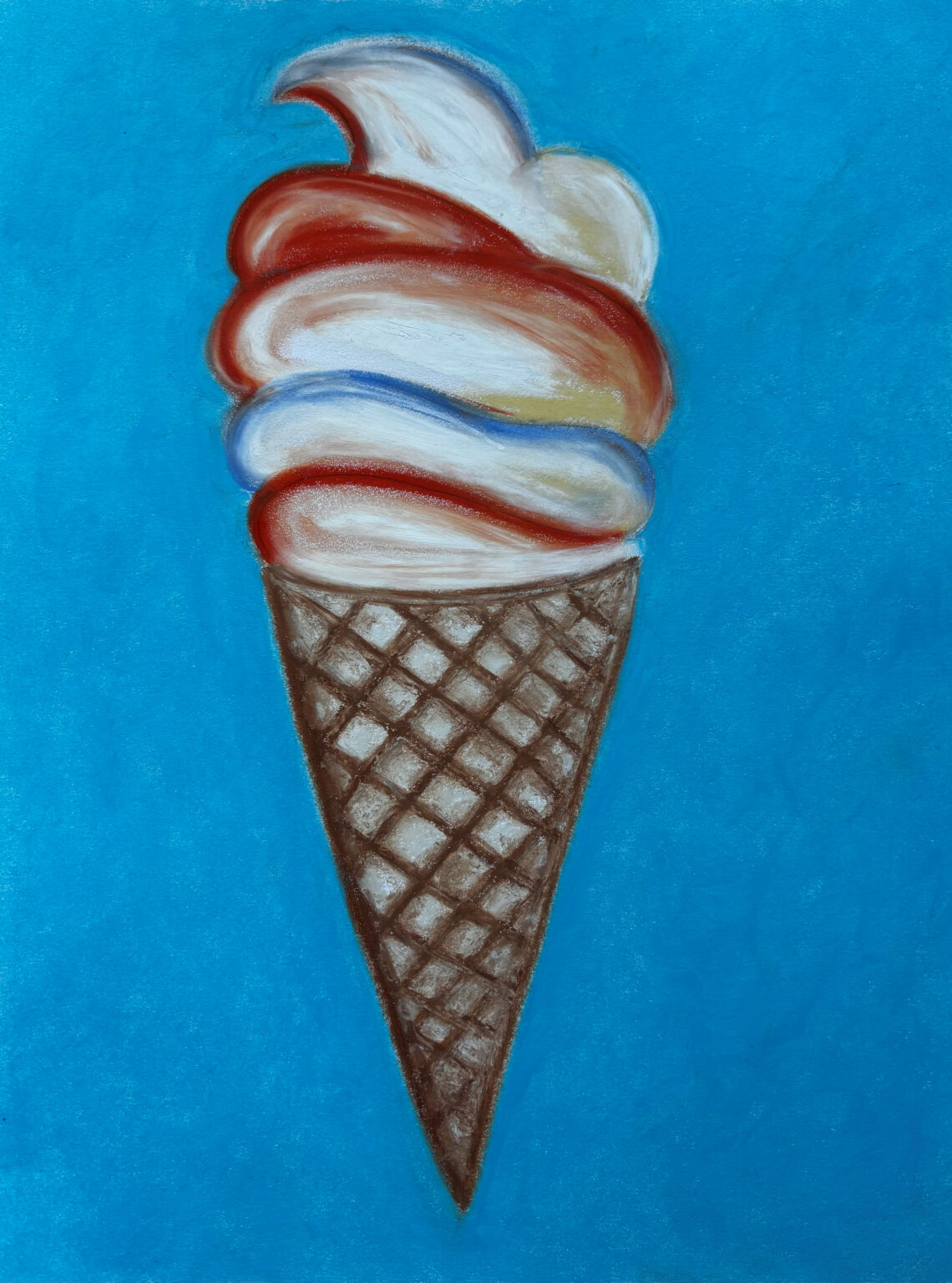
Soft Serve 2
-
Howl’s Moving Castle (2004)
Sophie is a young hatter who ventures out of her hat shop one day and gets stopped by aggressive soldiers in an alley. Howl, a well-known wizard, can see she’s bothered and whisks her away from the situation with the soldiers, but as they make a run for it, she realizes that Howl himself is in trouble and is being chased by shadowy creatures. Later, the Witch of Waste, who is enamored with Howl, catches wind of their alleyway encounter and in an act of jealousy, casts a spell on Sophie which turns her into an old woman, saying “you won’t be able to tell anyone about that spell.” Wanting…
-
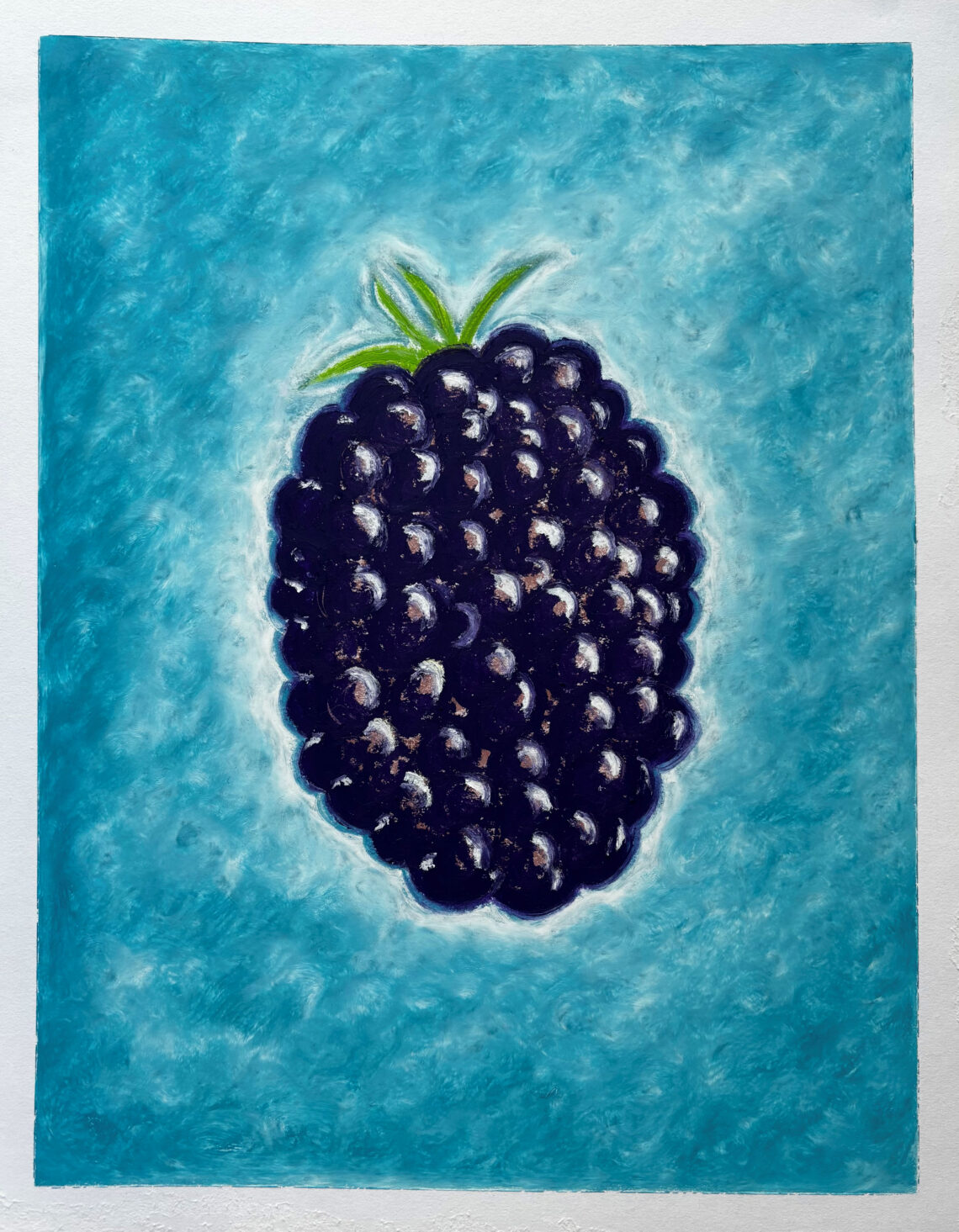
“Blackberry” Oil Pastel
-
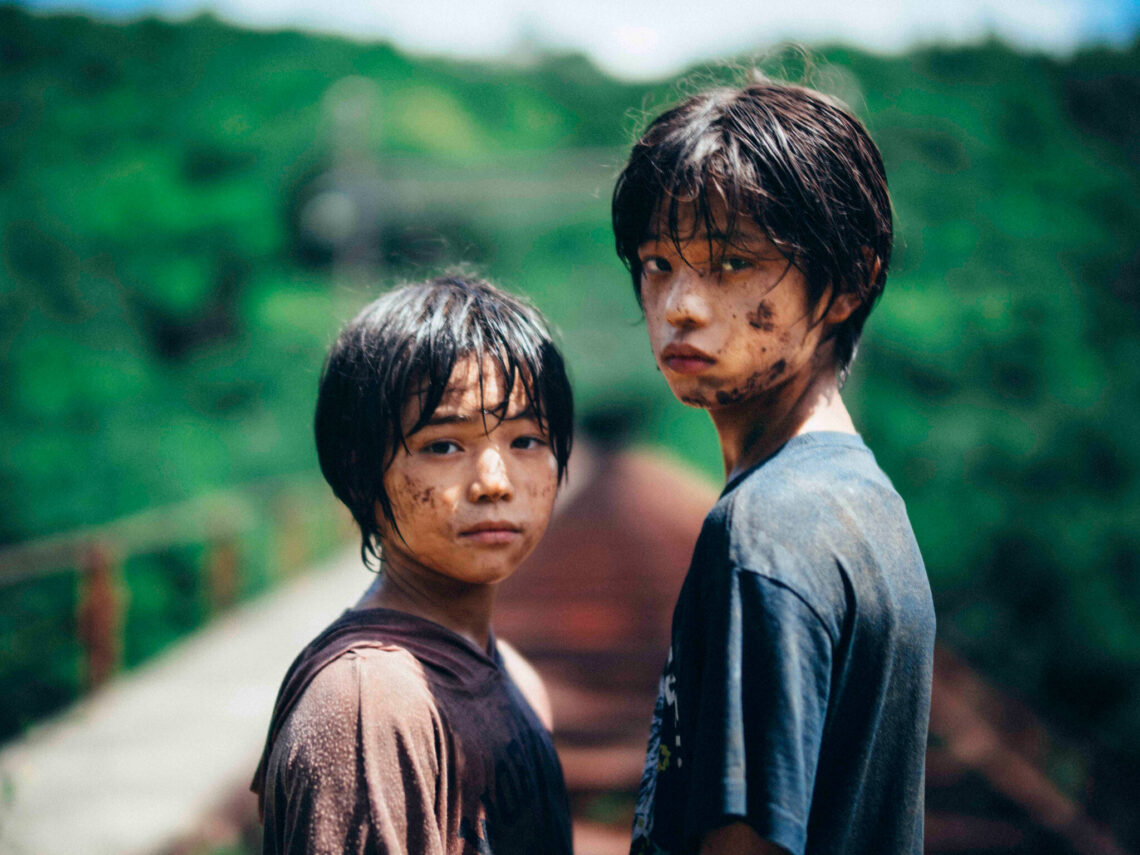
Monster (2023)
Monster opens with a building on fire, as fifth grader Minato (Soya Kurokawa) and his single mom, Saori Mugino (Sakura Andō, also known for Shoplifters and Godzilla Minus One), watch from their balcony. After the fire, rumors that Minato’s teacher Mr. Hori (Eita Nagayama) frequented the disreputable hostess bar in the burning building start spreading. Saori has heard the rumor and this may have planted a seen of distrust for Mr. Hori in Saori’s mind. One night, Saori comes home and finds hair clippings in the bathroom and realizes that Minato isn’t home. She goes out looking for him and finds him in an abandoned tunnel with a bandaged and…
-
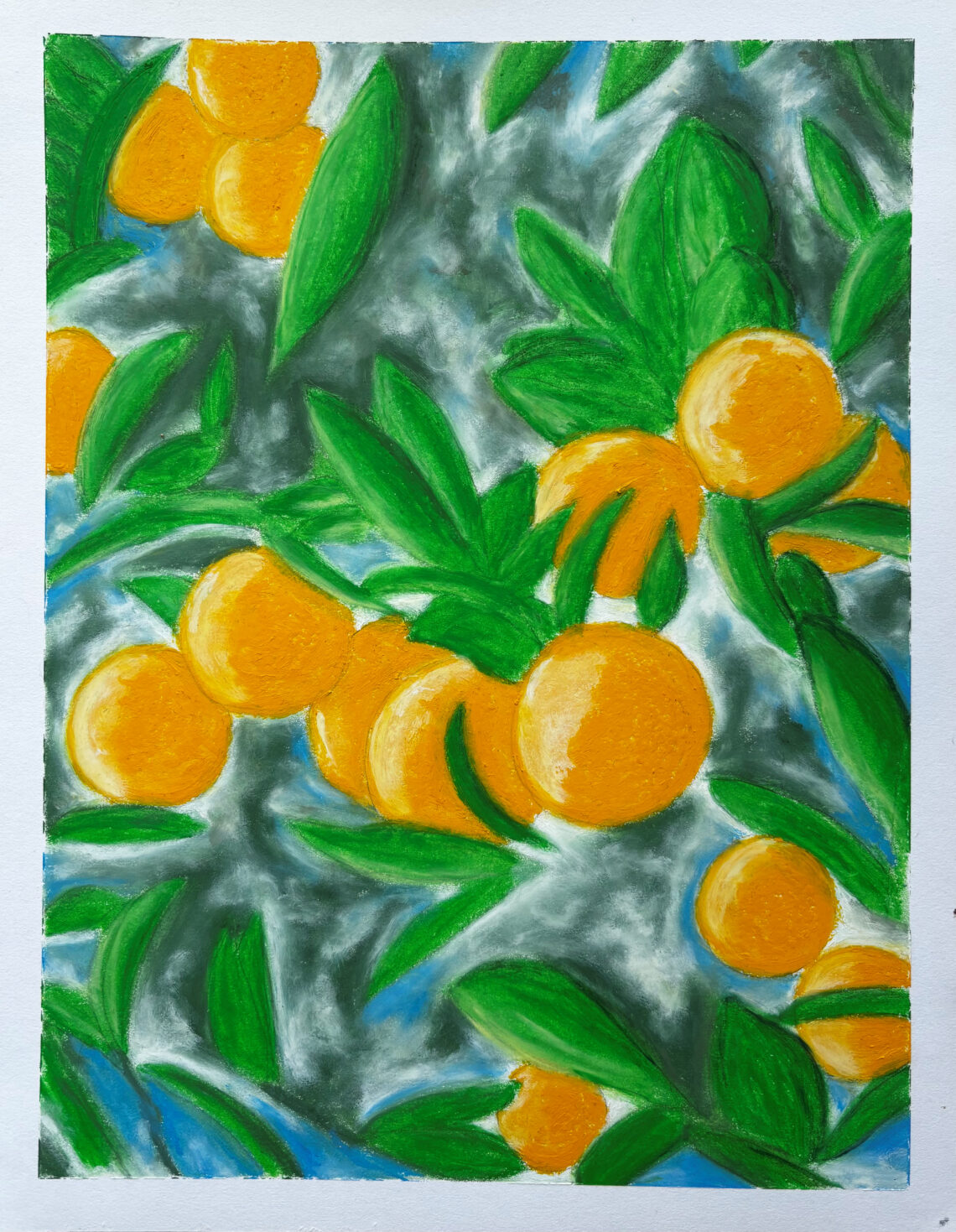
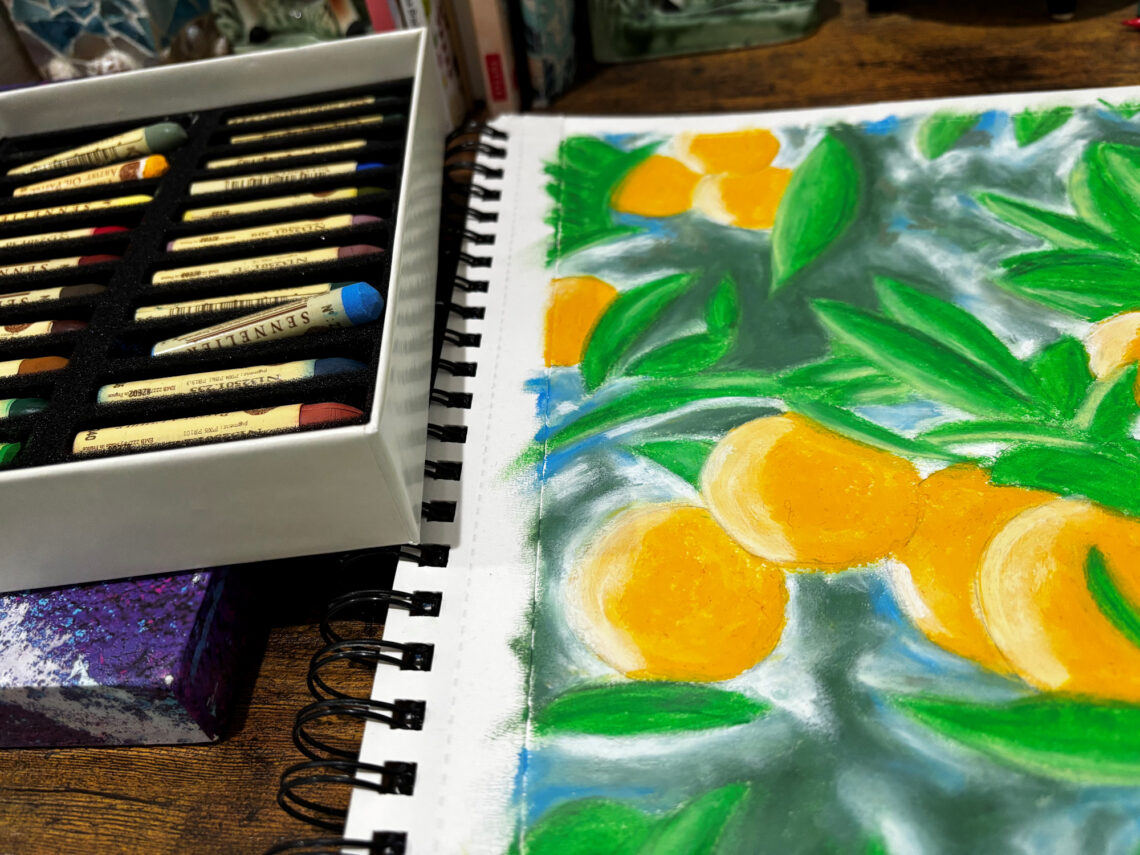
Orange Grove
-
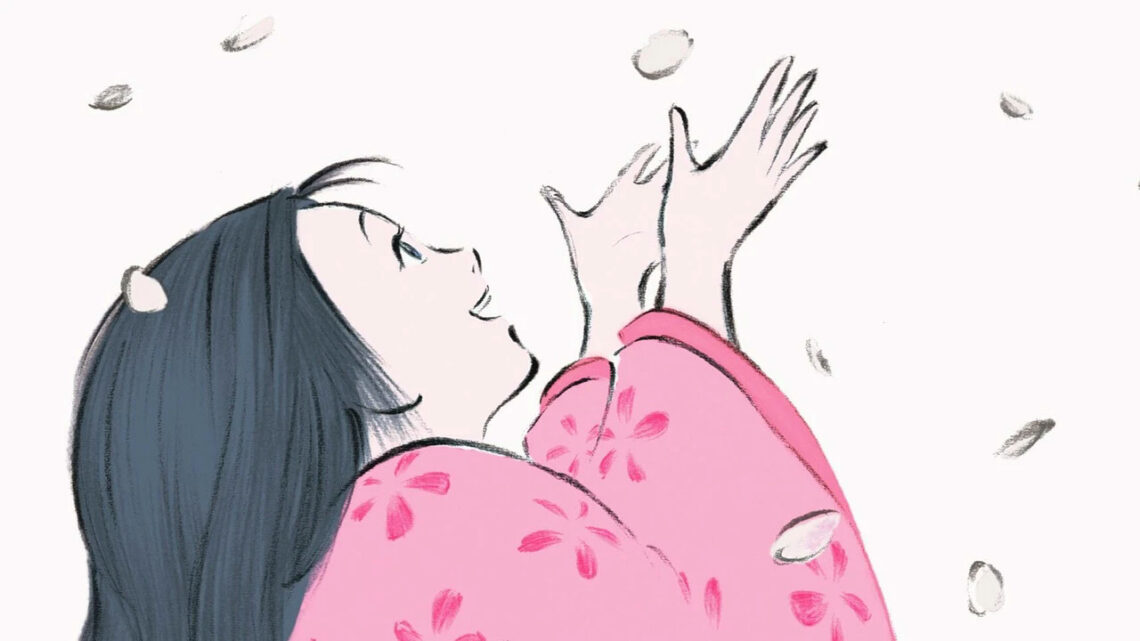
The Tale of the Princess Kaguya (2013)
One day, while gathering bamboo stalks in the forest, a farmer is amazed to find a mysterious sprout that grows incredibly fast right before his eyes. The plant flowers and opens to reveal a tiny little girl inside of the flower, whom the farmer believes was sent from heaven for him to take care of, so he takes the tiny girl home with him. Once home, the farmer’s wife holds the little forest nymph and she turns into a baby, which the couple care for. They, with the help of the neighborhood children, name her Princess Takenoko (“Little Bamboo”). Their baby grows fast, and before they know it, she is…
-
New Sennelier Oil Pastels!
My daughter bought me new Sennelier pastels for my birthday a couple of weeks ago and I just love their smooth texture and beautiful colors! Sennelier is regarded as one of the best brands of oil pastels, and one of my favorite oil pastel artists, Misako Flodin, uses them in her drawing videos, so I was very excited to try them out. There’s a world of difference between using good quality oil pastels and cheaper brands, as I’ve learned over the years, and I can already tell that this is going to be one of my favorites, if not my very favorite brand. I haven’t been able to draw much…